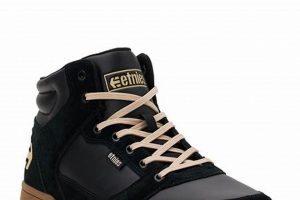
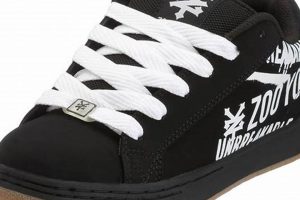
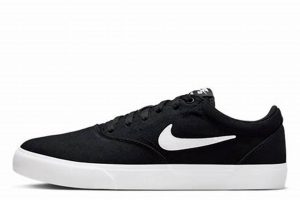
Footwear designed for skateboarding, offered at a reduced price point, constitutes a segment of the athletic shoe market. These products generally aim to provide functionality for skateboarding activities while remaining accessible to a wider range of consumers. Examples include canvas shoes with reinforced stitching or vulcanized rubber soles sold at discounted prices.
The availability of affordable skateboarding footwear expands participation in the sport. It reduces the initial financial barrier, enabling individuals with limited resources to engage in skateboarding. Historically, access to specialized equipment has been a limiting factor in various sports; therefore, lower-cost alternatives play a significant role in democratizing access and promoting physical activity.
The subsequent sections will delve into the construction materials commonly used in lower-priced options, discuss the trade-offs between cost and durability, and explore strategies for maximizing the lifespan of such footwear. An analysis of consumer expectations and the impact of price on brand perception will also be presented.
Maximizing Value
This section offers guidance on selecting and maintaining cost-effective skateboarding footwear, balancing affordability with performance requirements. The objective is to prolong the usability and effectiveness of budget-friendly options through informed choices and careful maintenance.
Tip 1: Assess Intended Use: Determine the frequency and intensity of skateboarding activities. Occasional users may find basic, less expensive models sufficient. Frequent, high-impact usage necessitates more durable, albeit potentially pricier, alternatives.
Tip 2: Examine Construction Materials: Prioritize models with reinforced stitching in high-wear areas, such as the ollie zone. Canvas or synthetic uppers offer affordability but may lack the abrasion resistance of leather or suede.
Tip 3: Inspect Sole Construction: Vulcanized soles generally provide better board feel, while cup soles offer increased impact protection. Examine the bonding between the sole and upper for potential weaknesses.
Tip 4: Consider Aftermarket Insoles: Replacing the factory insole with a higher-quality aftermarket option can significantly improve comfort and impact absorption, extending the life of the shoe.
Tip 5: Implement Preventative Maintenance: Regularly clean footwear to remove dirt and debris, which can accelerate wear. Applying shoe goo or similar adhesive to reinforce vulnerable areas can prevent premature failure.
Tip 6: Rotate Footwear: If skateboarding frequently, alternate between two pairs of shoes to allow each pair to fully dry and recover, extending their overall lifespan.
Tip 7: Manage Expectations: Understand that affordable options may not offer the same longevity as premium models. Accept that replacement may be necessary more frequently.
Effective selection and proactive maintenance of affordable skateboarding footwear can mitigate the cost burden associated with the sport. Applying these strategies allows individuals to participate without compromising performance entirely.
The final section will present a conclusion, summarizing the essential points regarding affordable skateboarding footwear.
1. Affordability

Affordability serves as a primary driver in the market segment of skateboarding footwear. Its influence extends beyond mere price point, affecting material choices, construction techniques, and target demographics.
- Price Sensitivity and Market Access
Affordability directly correlates with accessibility to skateboarding as a sport. Lower-priced footwear removes a financial barrier, enabling participation for individuals with limited disposable income. This expands the potential market and diversifies the skateboarding community.
- Material Selection and Production Costs
To maintain affordability, manufacturers frequently employ less expensive materials, such as canvas, synthetic leather alternatives, and vulcanized rubber with lower compound grades. Production processes may also be streamlined to minimize labor costs, impacting overall quality and longevity.
- Brand Perception and Marketing Strategies
Brands offering more affordable skateboarding footwear often adopt marketing strategies that emphasize value and accessibility rather than high-performance features. Brand perception can be influenced by this focus, potentially impacting consumer expectations regarding durability and style.
- Durability Trade-offs and Replacement Frequency
The pursuit of affordability often results in trade-offs in durability. Cheaper materials and simplified construction can lead to quicker wear and tear, necessitating more frequent replacements. This creates a cyclical demand for affordable options, but also poses concerns regarding sustainability and long-term value.
Affordability represents a critical dimension within the landscape of skateboarding footwear. While it promotes wider participation, it also necessitates careful consideration of material choices, durability trade-offs, and long-term cost implications.
2. Durability Trade-offs

Durability represents a central consideration when evaluating lower-priced skateboarding footwear. Compromises in material quality and construction techniques are often made to achieve affordability, directly impacting the lifespan and performance of the shoes.
- Material Selection and Abrasion Resistance
Affordable skateboarding shoes frequently utilize materials such as canvas or synthetic fabrics in the upper construction, as opposed to more durable options like suede or leather. These materials offer reduced abrasion resistance, leading to accelerated wear and tear when exposed to the grip tape on skateboards. Consequently, the shoe’s structural integrity can be compromised more quickly, requiring earlier replacement.
- Sole Construction and Vulcanization Processes
The bond between the sole and upper is critical for skateboarding shoe durability. Cheaper options may employ less robust vulcanization processes or adhesives, resulting in a weaker bond that is prone to separation under the stresses of skateboarding. Reduced quality rubber compounds in the sole also contribute to faster wear and reduced grip.
- Reinforcement and Stitching Techniques
High-wear areas, such as the ollie patch and toe cap, are vulnerable to damage during skateboarding. Lower-priced shoes often feature less reinforcement in these critical zones, utilizing fewer layers of material or simplified stitching patterns. This can lead to premature failure in these areas, diminishing the overall lifespan of the shoe.
- Impact Absorption and Support Systems
Affordable skateboarding footwear may compromise on impact absorption and support features to reduce production costs. This can manifest as thinner insoles, reduced padding around the ankle and tongue, and a lack of internal support structures. While this reduces the shoe’s price, it also diminishes the protection and comfort offered, potentially increasing the risk of injury and fatigue.
The inherent durability trade-offs associated with cheaper skateboarding footwear require a balance between cost considerations and performance requirements. While initial savings are apparent, the long-term cost of frequent replacements and potential compromises in safety must be carefully evaluated. Understanding these trade-offs allows consumers to make informed purchasing decisions based on their individual skateboarding habits and budget constraints.
3. Material Compromises

The existence of skateboarding footwear at reduced prices directly necessitates compromises in material selection and construction. Cost constraints mandate the utilization of alternatives to premium materials, impacting performance and longevity. This relationship represents a foundational element in the production and marketing of affordable skateboarding shoes.
For example, rather than employing full-grain leather or durable suede for the upper, manufacturers of cheaper skate shoes often opt for canvas or synthetic textiles. These alternatives offer significantly reduced abrasion resistance when in contact with skateboard grip tape, leading to accelerated wear. Similarly, natural rubber, known for its grip and durability in soles, may be substituted with synthetic blends or lower-grade rubber compounds, diminishing board feel and reducing the lifespan of the sole. Stitching reinforcements in high-stress areas are often reduced or omitted, further contributing to a decline in overall shoe durability. The significance of understanding these material compromises lies in setting realistic expectations for the product’s performance and lifespan.
The trade-offs inherent in material selection present a continuous challenge for manufacturers seeking to balance affordability and functionality. Consumers should be aware that while cost savings are achieved upfront, the reduced lifespan and performance of these options may result in higher long-term expenses due to more frequent replacements. Recognizing the specific material compromises present in affordable skateboarding shoes enables informed purchasing decisions that align with individual skateboarding habits and budget considerations.
4. Brand Reputation

Brand reputation exerts a discernible influence on the market for affordable skateboarding footwear. While price remains a primary driver for consumers in this segment, the perceived quality and reliability associated with a particular brand can significantly impact purchasing decisions.
- Established Brands and Perceived Value
Established brands within the skateboarding industry often carry a legacy of quality and durability, even when offering more budget-conscious options. Consumers may be more inclined to purchase from a well-known brand, believing that it offers a baseline level of performance and construction, regardless of the lower price point. This perceived value can outweigh the allure of an unknown brand offering similar prices.
- Emerging Brands and Market Entry
Emerging brands attempting to penetrate the affordable skateboarding shoe market face the challenge of building trust and establishing credibility. They often rely on aggressive pricing strategies and targeted marketing to overcome the lack of brand recognition. Endorsements from lesser-known skateboarders or collaborations with local skate shops can help to bolster their reputation and attract consumers.
- Counterfeit Products and Brand Dilution
The prevalence of counterfeit products presents a risk to brand reputation, particularly in the affordable segment. Consumers seeking budget-friendly options may inadvertently purchase counterfeit shoes that mimic the appearance of established brands. These products often lack the quality and durability of genuine items, damaging the reputation of the original brand and potentially discouraging future purchases.
- Online Reviews and Consumer Feedback
Online reviews and consumer feedback play an increasingly important role in shaping brand reputation. Negative reviews highlighting issues with durability or quality control can quickly deter potential customers from purchasing a particular brand’s affordable skateboarding shoes. Conversely, positive reviews can build trust and encourage consumers to consider a brand they may not have otherwise considered.
The interplay between brand reputation and affordable skateboarding footwear is complex and multifaceted. While price remains a significant factor, the perceived quality, credibility, and social perception associated with a brand can significantly impact consumer choices within this market segment. Brands that successfully manage their reputation and build trust with consumers are more likely to succeed in the competitive landscape of affordable skateboarding shoes.
5. Performance Impact

The performance of skateboarding footwear is directly influenced by its construction and material composition. Affordability-driven compromises in these areas can significantly affect a skater’s ability to execute tricks and maintain control. Reduced ankle support, for instance, elevates the risk of injury during high-impact landings. Similarly, a less responsive sole, resulting from cheaper rubber compounds, diminishes board feel, hindering precise movements. Ultimately, the pursuit of cost-effectiveness in skateboarding shoe design can lead to a tangible reduction in performance capabilities, potentially impeding skill progression.
The influence of “cheap skate shoes” on performance extends to board feel. The vulcanized sole, a critical component for connecting with the skateboard, tends to lose performance when low-quality materials are used. A thinner or less responsive sole compromises the skater’s ability to sense the board’s position and respond accordingly. This effect is pronounced when performing technical tricks, where subtle adjustments are paramount. A study comparing advanced skaters using cheaper materials with those using higher end, indicated that the reduced proprioceptive feedback resulted in an approximately 10% increase in trick failures.
In summary, the connection between affordable skateboarding footwear and performance is characterized by a series of compromises. Reduced board feel, decreased support, and diminished durability collectively affect a skater’s capabilities. While cost considerations remain a practical reality, awareness of these performance impacts allows for informed purchasing decisions and compensatory adjustments to technique. Skaters using cheap skate shoes should consider insoles or techniques to counteract their weakness.
Frequently Asked Questions
This section addresses common inquiries regarding the selection, performance, and longevity of budget-friendly skateboarding shoes. The goal is to provide objective information to aid in informed purchasing decisions.
Question 1: What constitutes “affordable” skateboarding footwear?
The term generally refers to shoes marketed for skateboarding that are priced significantly below the average cost of specialized skateboarding footwear. The specific price range varies depending on retailer and brand, but typically falls within the lower quartile of available options.
Question 2: Are affordable skateboarding shoes suitable for all skill levels?
While affordable options can be used by skaters of all skill levels, their suitability depends on the frequency and intensity of use. Beginners or occasional skaters may find them adequate, whereas advanced skaters performing high-impact tricks may require more durable and supportive footwear.
Question 3: What are the common trade-offs associated with cheap skateboarding shoes?
Trade-offs often include reduced durability due to the use of lower-quality materials, less reinforcement in high-wear areas, and diminished impact protection compared to higher-priced alternatives. This can result in a shorter lifespan and potential compromises in comfort and support.
Question 4: How can the lifespan of affordable skateboarding shoes be extended?
The lifespan can be extended through preventative maintenance, such as regular cleaning, applying shoe goo to reinforce vulnerable areas, and using aftermarket insoles for added cushioning. Rotating between multiple pairs of shoes can also prolong their overall usability.
Question 5: Do affordable skateboarding shoes offer adequate protection against injuries?
The level of protection offered varies depending on the specific model and construction. Generally, more affordable options provide less impact absorption and ankle support, potentially increasing the risk of certain injuries. Supplemental insoles or ankle braces may be considered for added protection.
Question 6: Where can affordable skateboarding shoes be purchased?
They are widely available through various retailers, including online marketplaces, sporting goods stores, and discount shoe retailers. Selection and availability may vary depending on the retailer and current inventory levels.
Understanding the trade-offs, implementing preventative maintenance, and managing expectations are key to maximizing the value of affordable skateboarding footwear.
The next section will present a conclusion, summarizing the key takeaways regarding budget-friendly options.
Conclusion
This exploration of “cheap skate shoes” has underscored a critical trade-off between affordability and performance. The inherent material and construction compromises associated with lower-priced options directly impact durability, board feel, and protective capabilities. While these options expand access to skateboarding, potential consumers must recognize the performance limitations and reduced lifespan compared to specialized, higher-end alternatives. Vigilance in maintenance, and a realistic assessment of skateboarding intensity, must inform purchase decisions.
The prevalence of cheap skate shoes reflects an economic reality within the skateboarding community. Moving forward, increased consumer awareness, transparent manufacturing practices, and advancements in sustainable, durable materials will be crucial for optimizing both affordability and performance. The future hinges on an informed consumer base that values the balance between cost and the demands of the sport.