Footwear designed for skateboarding often incorporates durable materials to withstand the sport’s rigorous demands. One common construction features a robust outer layer made from tanned animal hide, offering protection and support during tricks and maneuvers. These models frequently exhibit reinforced stitching and a padded collar for enhanced comfort and impact absorption.
The selection of such footwear can significantly impact a skater’s performance and safety. The material’s inherent resilience contributes to the shoe’s longevity, reducing the need for frequent replacements. Historically, the adoption of this material in skate shoe design has been driven by its ability to provide both abrasion resistance against grip tape and a degree of structural integrity crucial for board feel and control. Furthermore, this choice often reflects a balance between functionality and aesthetic preference.
The following sections will delve into the specific properties, maintenance requirements, and various styles available, providing a comprehensive understanding of what to consider when selecting this type of specialized athletic footwear.
Essential Considerations for Leather Skate Shoe Selection and Maintenance
The following guidance aims to inform the selection, care, and optimal utilization of skate shoes constructed from tanned animal hide, ensuring enhanced performance and longevity.
Tip 1: Material Assessment: Prior to purchase, thoroughly inspect the hide’s quality. Full-grain variants offer superior durability and resistance to abrasion compared to split-grain options. Look for consistent texture and minimal imperfections.
Tip 2: Stitching Integrity: Examine the stitching along the shoe’s seams and stress points. Reinforced stitching, particularly double or triple stitching, significantly enhances the shoe’s resistance to wear and tear during intense skateboarding activity.
Tip 3: Sole Construction: Consider the sole’s composition and attachment method. Vulcanized soles offer excellent board feel and grip, while cup soles provide superior impact protection. Ensure the sole is securely bonded to the upper, with minimal separation.
Tip 4: Break-in Period: Allow for a break-in period to conform the material to the foot. This may involve wearing the shoes for short durations initially, gradually increasing the wear time as the hide softens and molds to the foot’s contours.
Tip 5: Cleaning and Conditioning: Regularly clean the shoes with a soft brush and mild soap solution. Avoid harsh chemicals or abrasive cleaners, which can damage the hide. Apply a leather conditioner periodically to maintain suppleness and prevent cracking.
Tip 6: Storage Practices: Store the shoes in a cool, dry place away from direct sunlight and extreme temperatures. This prevents the material from drying out, cracking, or becoming misshapen. Consider using shoe trees to maintain the shoe’s form.
Tip 7: Rotation of Use: To extend the lifespan of the shoes, consider rotating between multiple pairs. This allows each pair to fully dry and recover between uses, reducing wear and tear.
Consistent application of these techniques will enhance the overall skating experience and extend the serviceable life of leather skate shoes.
The following sections will explore specific models and brands, further enriching the reader’s understanding of this specialized footwear.
1. Abrasion Resistance

Abrasion resistance is a critical characteristic of skateboarding footwear, directly impacting the longevity and performance of shoes constructed from tanned animal hide. The constant friction between the shoe’s surface and the skateboard’s grip tape necessitates a robust material capable of withstanding repeated wear.
- Material Density and Fiber Structure
The density of the hide and the tightness of its fiber structure directly correlate to its resistance to abrasion. Tightly packed fibers resist tearing and surface erosion more effectively than looser weaves. Full-grain hides, with their denser fiber structure, generally offer superior abrasion resistance compared to split-grain options. This translates to a longer lifespan for the footwear under typical skateboarding conditions.
- Tanning Process and Surface Treatment
The tanning process employed in the preparation of the animal hide significantly impacts its physical properties, including abrasion resistance. Certain tanning methods, such as vegetable tanning, can enhance the hide’s durability and resistance to surface wear. Additionally, surface treatments, such as coatings or finishes, can provide an added layer of protection against abrasion, although their effectiveness may diminish over time with use.
- Stitching Reinforcement and Panel Design
The placement and reinforcement of stitching play a crucial role in mitigating abrasion-related damage. Areas prone to high friction, such as the toe and ollie patch, often benefit from reinforced stitching or multiple layers of material. The design of individual panels and their seams can also influence abrasion resistance, with strategically placed seams minimizing wear on vulnerable areas.
- Grip Tape Interaction and Wear Patterns
The type and coarseness of grip tape used on the skateboard deck directly affect the rate of abrasion on the footwear. Coarser grip tape provides greater traction but also accelerates wear on the shoe’s surface. Understanding common wear patterns, such as those on the toe and side of the shoe, allows skaters to select models with reinforced construction in these high-wear areas, maximizing the footwear’s lifespan.
In summation, abrasion resistance is a multifaceted characteristic influenced by material density, tanning methods, stitching, and interaction with grip tape. Skaters should carefully consider these factors when selecting shoes constructed from tanned animal hide to ensure optimal durability and performance. The investment in a model with superior abrasion resistance often translates to long-term cost savings and improved skateboarding experience.
2. Ankle Support

Ankle support in footwear is critically important for skateboarding, a sport characterized by high-impact landings, rapid directional changes, and a propensity for ankle injuries. Footwear crafted from tanned animal hide offers a unique opportunity to integrate robust ankle support features due to the material’s inherent structural properties. The rigidity and durability of the leather enable the construction of supportive collars and reinforced panels that stabilize the ankle joint during complex maneuvers. The presence of adequate ankle support can mitigate the risk of sprains, strains, and other common skateboarding-related injuries. For example, the successful execution of a kickflip often hinges on the skater’s ability to maintain balance and control throughout the rotation, requiring reliable ankle stabilization to prevent instability and potential injury upon landing. Leather’s ability to mold to the wearer’s foot over time also contributes to a more secure and personalized fit, further enhancing support.
Effective ankle support extends beyond the material itself; it encompasses the design and construction techniques employed. High-top designs inherently provide greater ankle coverage and support compared to low-top styles. Padded collars, strategically placed around the ankle, cushion the joint and reduce friction, enhancing comfort and stability. Reinforced heel counters contribute to rearfoot stability, preventing excessive pronation or supination. Moreover, the integration of internal support structures, such as molded heel cups or stabilizing shanks, can further augment ankle support without sacrificing flexibility or board feel. The use of thicker hide in the ankle area provides added protection against impact and abrasion, crucial during falls or slides. The implementation of these design elements showcases the practical application of ankle support features.
In summary, the connection between ankle support and skateboarding footwear made with tanned animal hide lies in the material’s inherent properties and the potential for incorporating supportive design features. Adequate ankle support is essential for injury prevention and enhanced performance, enabling skaters to confidently execute tricks and maneuvers. The understanding of these principles allows for informed selection of footwear that prioritizes both protection and functionality. Challenges remain in balancing support with the need for flexibility and board feel, requiring ongoing innovation in design and material science to optimize skateboarding footwear.
3. Board Feel

Board feel, the tactile feedback transmitted from the skateboard to the skater’s feet, is a crucial element influencing control, precision, and overall performance. The interaction between the skater’s feet and the board is mediated by the footwear, and the material composition of the shoe significantly affects the sensitivity and clarity of this feedback. When considering footwear constructed with tanned animal hide, understanding how material properties and design influence board feel becomes paramount.
- Sole Thickness and Flexibility
Sole thickness dictates the proximity of the foot to the board’s surface. Thinner soles enhance board feel, allowing the skater to discern subtle variations in terrain and board position. Leather footwear often employs vulcanized soles, known for their flexibility and ability to conform to the board’s contours. However, a balance must be struck, as excessively thin soles compromise impact protection. The flexibility of the sole material, often gauged by durometer measurements, also affects board feel; more flexible soles transmit more information but may lack torsional rigidity.
- Upper Construction and Foot Confinement
The upper portion of the shoe, particularly its construction around the midfoot and toe, influences the degree to which the foot is secured and supported. Tanned animal hide offers a degree of structure and form-fitting capability that can enhance proprioception. A snug fit maximizes the transmission of subtle movements from the foot to the board, improving responsiveness. Overly rigid uppers, however, may restrict foot movement and diminish board feel. The material’s ability to breathe also impacts comfort and sensitivity; excessive moisture buildup can impede tactile feedback.
- Insole Material and Cushioning
The insole serves as an intermediary between the foot and the sole, playing a critical role in both cushioning and board feel. Thicker, more cushioned insoles dampen vibrations and absorb impact, potentially reducing board feel. Conversely, thinner, denser insoles enhance sensitivity but may compromise comfort during prolonged skating sessions. The material composition of the insole, such as polyurethane or EVA foam, also influences its responsiveness and ability to transmit information. Selecting an insole that strikes a balance between cushioning and sensitivity is essential for optimizing board feel.
- Material Texture and Grip
The texture of the shoe’s outsole and its interaction with the grip tape on the skateboard deck directly impact board feel. A textured outsole enhances grip, preventing slippage and allowing the skater to maintain precise control. Conversely, an overly aggressive tread pattern can impede subtle adjustments and diminish board feel. The type of rubber compound used in the outsole also affects grip and durability; softer compounds offer superior grip but tend to wear more quickly. The selection of footwear with a suitable outsole texture is critical for maximizing board feel and control.
In conclusion, board feel is a multifaceted characteristic influenced by sole thickness, upper construction, insole material, and outsole texture. Footwear constructed from tanned animal hide presents both advantages and challenges in optimizing board feel. The skater must carefully consider these factors to select a model that provides the desired balance between sensitivity, support, and protection, ultimately enhancing their connection with the board and improving their overall skateboarding experience. Further experimentation with different material combinations and design features is essential for advancing our understanding of board feel and its impact on skateboarding performance.
4. Style Variety

The availability of diverse styles within the realm of skate shoes constructed from tanned animal hide significantly impacts consumer choice and the overall aesthetic landscape of skateboarding culture. This variety addresses the multifaceted needs and preferences of skaters, ranging from functional requirements to personal expression.
- Silhouette Variations
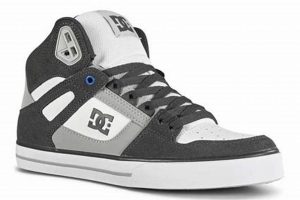
Variations in silhouette encompass low-top, mid-top, and high-top designs, each offering distinct levels of ankle support and aesthetic appeal. Low-top models prioritize flexibility and board feel, while high-top versions provide enhanced ankle protection and a retro aesthetic, reminiscent of basketball shoes from the 1980s. Mid-top designs strike a balance between support and mobility, catering to skaters seeking a compromise between the two extremes. The choice of silhouette is often influenced by personal preference and the skater’s chosen style of riding.
- Color Palettes and Graphic Embellishments
The spectrum of available colors and graphic embellishments allows skaters to express their individuality and align their footwear with personal tastes. Options range from monochromatic designs in neutral tones to vibrant color combinations and bold graphic prints. Collaborative designs featuring artwork from renowned artists or skateboard brands further expand the stylistic possibilities, transforming functional footwear into wearable art. The selection of color and graphics serves as a visual declaration of personal identity and affiliation within the skateboarding community.
- Material Textures and Finishes
Beyond the core material of tanned animal hide, variations in textures and finishes contribute to the overall stylistic diversity. Suede, a napped leather, offers a soft and supple feel, while smooth, full-grain leather provides a more refined appearance. Embossed patterns, perforated details, and contrasting stitching further enhance the visual interest and tactile qualities of the footwear. The selection of material texture and finish impacts both the aesthetic appeal and the functional properties of the shoe, influencing durability and grip.
- Functional Detailing and Hardware
The integration of functional detailing, such as reinforced stitching, padded collars, and metal eyelets, also contributes to the stylistic variety of skate shoes. These elements not only enhance durability and performance but also add visual interest and a sense of ruggedness to the design. The choice of laces, from flat to round and in various colors, provides an additional avenue for customization. The strategic placement of functional details can transform a basic design into a visually compelling and highly functional piece of skateboarding equipment.
These stylistic variations, available within the market for skate shoes constructed from tanned animal hide, underscore the intersection of functionality and personal expression within skateboarding culture. The diverse range of silhouettes, colors, textures, and details allows skaters to select footwear that not only meets their performance requirements but also reflects their individual identities and affiliations within the skateboarding community. The ongoing evolution of style within this niche continues to drive innovation in design and materials, ensuring a vibrant and dynamic market for years to come.
5. Material Quality
The correlation between material quality and performance in skateboarding footwear, particularly those constructed from tanned animal hide, is substantial. The grade and processing of the hide directly influence the shoe’s durability, support, and overall longevity. Inferior materials are prone to premature wear, compromising the shoe’s structural integrity and potentially leading to injury. For instance, a shoe utilizing split-grain leather may exhibit reduced abrasion resistance compared to a full-grain counterpart, resulting in accelerated wear at critical contact points with the grip tape. Consequently, skaters may experience diminished board feel and increased risk of slippage. Conversely, high-quality hides offer superior resistance to abrasion and tearing, extending the shoe’s lifespan and maintaining its functional properties over time. The choice of material, therefore, represents a critical investment in both performance and safety.
The impact of material quality extends beyond durability, influencing the shoe’s comfort and fit. Supple, well-tanned hides mold to the foot more effectively, providing a secure and supportive fit that minimizes slippage and enhances board feel. Breathability is also affected; higher-quality materials often possess improved moisture-wicking properties, reducing the likelihood of discomfort and blistering during prolonged skating sessions. The tanning process itself can impact the hide’s characteristics; vegetable-tanned leather, for example, tends to be more rigid initially but softens and conforms to the foot over time, while chrome-tanned leather may offer greater immediate suppleness but potentially reduced long-term durability. Understanding these nuances allows skaters to make informed decisions based on their individual needs and preferences.
In conclusion, material quality is a non-negotiable factor in the selection of skate shoes constructed from tanned animal hide. While cost considerations may influence purchasing decisions, prioritizing quality over price often translates to long-term value through enhanced durability, performance, and safety. Challenges remain in accurately assessing material quality prior to purchase, necessitating reliance on brand reputation, independent reviews, and careful inspection of the shoe’s construction. Ultimately, a thorough understanding of the relationship between material properties and skateboarding performance is essential for making informed choices and maximizing the skating experience.
Frequently Asked Questions
The following questions address common concerns and misconceptions regarding skate shoes constructed from tanned animal hide, providing clarification and insights for informed decision-making.
Question 1: Are leather skate shoes suitable for all types of skateboarding?
The suitability of footwear constructed from tanned animal hide depends on the skater’s style and preferences. While durable and supportive, some skaters may find the material less flexible than synthetic alternatives, impacting board feel. Consideration of individual skating style is advised.
Question 2: How does the break-in period affect performance?
Footwear made from tanned animal hide typically requires a break-in period to conform to the foot’s shape. Initial stiffness may impede flexibility and board feel. The duration of the break-in period varies depending on the type of leather and construction methods.
Question 3: What cleaning and maintenance procedures are recommended?
Regular cleaning with a soft brush and mild soap is recommended. Harsh chemicals or abrasive cleaners should be avoided, as they can damage the material. Periodic application of leather conditioner maintains suppleness and prevents cracking. Specific product recommendations may vary.
Question 4: Are leather skate shoes ethical and sustainable?
The ethical and environmental implications of using tanned animal hide are subject to ongoing debate. Sourcing practices, tanning methods, and waste management significantly impact sustainability. Consumers should research brands committed to responsible manufacturing practices.
Question 5: How does the cost of leather skate shoes compare to synthetic alternatives?
Footwear constructed from tanned animal hide typically commands a higher price point compared to synthetic alternatives, reflecting the cost of raw materials and manufacturing processes. However, the enhanced durability of hide construction may justify the higher initial investment.
Question 6: What features indicate a high-quality leather skate shoe?
Indicators of quality include full-grain leather construction, reinforced stitching, durable sole attachment, and a well-padded collar. Inspection of these features provides insight into the shoe’s overall durability and performance potential.
In summary, selection of appropriate skateboarding footwear involves careful consideration of the individual’s needs and skating style, material properties, ethical implications, and cost. Proper maintenance and informed purchasing decisions contribute to optimal performance and satisfaction.
The following section will address the future of leather skate shoe design and materials.
Concluding Remarks on Leather Skate Shoes
This exploration has addressed crucial facets of skateboarding footwear constructed from tanned animal hide. The analysis encompassed material properties, durability considerations, style variations, and ethical implications. Key factors impacting performance, such as abrasion resistance, ankle support, and board feel, were examined in detail. The objective has been to provide comprehensive information, enabling informed purchasing decisions.
The future of skateboarding footwear made with tanned animal hide hinges on advancements in sustainable sourcing and innovative manufacturing techniques. Continued research into alternative tanning processes and material combinations is essential for mitigating environmental impact and enhancing product performance. The ongoing dialog between skaters, manufacturers, and researchers will shape the evolution of this specialized footwear, ensuring its continued relevance within the dynamic landscape of skateboarding culture. Therefore, thoughtful consideration of material selection and product lifespan is paramount for responsible consumerism.
![Best Skate Shoes Globe: [Brand] & Styles! | Learn to Surf & Skate: A Beginner's Step-by-Step Guide](https://universitysurfandskate.com/wp-content/uploads/2026/04/th-208-300x200.jpg "Best Skate Shoes Globe: [Brand] & Styles! Learn to Surf & Skate: A Beginner's Step-by-Step Guide")