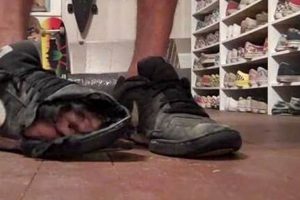
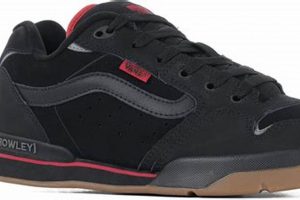
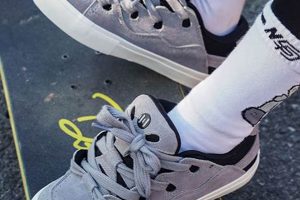
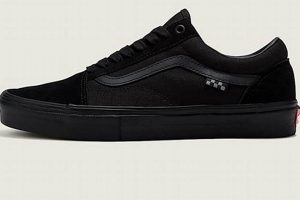
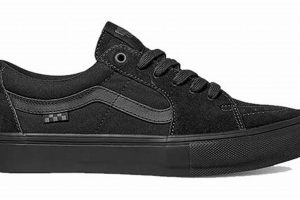
Footwear designed specifically for skateboarding often incorporates features that enhance performance and durability. These features can include reinforced stitching, durable outsoles providing grip, and cushioned insoles for impact absorption. Such construction aims to withstand the stresses of skateboarding activities. Examples of such footwear frequently display stylistic elements that appeal to the skateboarding subculture.
The specialized footwear offers protection and improves board control. The robust construction provides resistance against abrasion from the skateboard deck and the pavement. Historically, such footwear has evolved alongside the skateboarding culture, with innovations in materials and design driven by the needs of skaters. This evolution has contributed significantly to the development of skateboarding as a sport and a lifestyle.
The following sections will delve into specific aspects of selecting appropriate skateboarding footwear, including materials, construction techniques, and aesthetic considerations. Factors influencing optimal choice and longevity will be examined, thereby providing insight into the purchase and maintenance of effective skateboarding footwear.
Selection and Maintenance Recommendations
This section provides guidance to enhance the longevity and performance of skateboarding footwear. Adherence to these recommendations will contribute to a more satisfactory skateboarding experience.
Tip 1: Prioritize Durability. Select footwear constructed from robust materials such as suede or reinforced canvas. These materials offer increased resistance to abrasion from the skateboard deck.
Tip 2: Examine Sole Construction. Opt for vulcanized or cupsole construction. Vulcanized soles provide enhanced board feel, while cupsole constructions offer greater impact protection.
Tip 3: Evaluate Stitching Quality. Inspect the stitching around high-wear areas, such as the ollie patch and toe cap. Reinforced stitching enhances the shoe’s overall lifespan.
Tip 4: Consider Cushioning. Integrated cushioning systems or aftermarket insoles can mitigate impact stress on joints and improve comfort during extended skateboarding sessions.
Tip 5: Implement Regular Cleaning. Remove dirt and debris regularly using a brush and mild soap. This prevents the breakdown of materials and maintains the shoe’s aesthetic appeal.
Tip 6: Utilize Shoe Goo. Apply shoe goo to areas exhibiting wear, such as the ollie patch, to extend the lifespan of the footwear. This preventative maintenance can significantly reduce replacement frequency.
Tip 7: Rotate Footwear. Alternating between multiple pairs of skateboarding footwear allows each pair to rest and fully dry, thereby extending its lifespan and reducing odor buildup.
Implementing these recommendations will maximize the performance and longevity of skateboarding footwear, ultimately resulting in a more cost-effective and enjoyable skateboarding experience.
The subsequent section will address common misconceptions regarding skateboarding footwear and offer solutions to prevalent issues encountered by skaters.
1. Durability
Durability is a fundamental attribute of skateboarding footwear, directly impacting its longevity and the skater’s ability to perform consistently. The abrasive nature of skateboarding subjects footwear to significant wear and tear, particularly in areas such as the toe cap, ollie patch, and outsole. Consequently, the material composition and construction methods employed significantly influence the lifespan of the footwear. For instance, skate shoes constructed with reinforced stitching, double-layered canvas, or suede uppers exhibit greater resistance to abrasion than those made from less robust materials. Shoe Goo is often employed by skaters to prolong the life of high-wear areas on the shoes.
The importance of durability extends beyond mere cost savings. Footwear that fails prematurely can compromise a skater’s board feel, grip, and overall performance. A worn-out sole, for example, may reduce traction, increasing the risk of slips and falls. Similarly, torn uppers can expose the foot to injury. The relationship between durability and performance necessitates that skaters prioritize footwear constructed with high-quality materials and durable construction techniques. Consider the example of professional skaters who perform demanding tricks, placing immense stress on their footwear. Their choice of shoes reflects a clear prioritization of durability to withstand such strain.
In conclusion, durability is not merely a desirable feature, but an essential component of skateboarding footwear. Understanding its impact on performance, safety, and overall lifespan allows skaters to make informed decisions regarding the purchase and maintenance of their footwear. This emphasis on longevity translates to a more reliable and cost-effective skateboarding experience, ultimately enhancing the skater’s progression and enjoyment of the sport.
2. Grip

Grip is a critical performance attribute of skateboarding footwear, directly impacting board control and skater safety. The outsole’s material composition and tread pattern dictate the level of adhesion between the shoe and the skateboard deck. Inadequate grip compromises the ability to execute tricks and maneuvers effectively, potentially leading to instability and injury. Conversely, superior grip facilitates precise board manipulation, enabling complex movements and increasing the skater’s confidence. The importance of grip is exemplified by the prevalence of vulcanized rubber soles in high-performance skateboarding shoes; this material provides a sticky surface that enhances board feel and control.
The design and construction of the outsole directly influence grip performance. Herringbone, waffle, and geometric patterns are commonly employed to maximize surface area contact with the deck. Deeper tread patterns often provide enhanced grip in wet or uneven conditions, while smoother soles cater to skaters who prioritize board feel and responsiveness. Furthermore, some manufacturers incorporate proprietary rubber compounds specifically engineered for superior grip. Professional skateboarders frequently provide feedback during the development process, ensuring that the outsole design meets the rigorous demands of competitive skateboarding. For example, specific pro models emphasize durability and responsiveness over extended use.
In summary, grip represents a crucial element in the design and functionality of skateboarding footwear. Its impact on board control, safety, and overall performance underscores the importance of selecting shoes with outsoles engineered for optimal traction. Understanding the relationship between outsole design, material composition, and grip performance allows skaters to make informed decisions, ultimately enhancing their skateboarding experience and mitigating the risk of injury. Selecting footwear with sufficient grip is necessary for any skater to improve and feel confident while riding.
3. Comfort

Comfort, while often associated with leisure footwear, plays a crucial role in the functionality and performance of skateboarding footwear. Discomfort can impede a skater’s ability to focus, execute tricks, and endure extended sessions. Therefore, understanding the factors contributing to comfort within the context of skateboarding footwear is essential for optimizing the skating experience.
- Insole Cushioning and Arch Support
The insole significantly impacts foot comfort by providing cushioning and arch support. High-impact activities inherent in skateboarding place considerable stress on the feet. Insoles with advanced cushioning technologies, such as memory foam or gel inserts, can mitigate this impact, reducing fatigue and the risk of injury. Additionally, proper arch support promotes foot alignment and stability, further enhancing comfort during prolonged skateboarding sessions. Inadequate cushioning can lead to discomfort, pain, and potentially exacerbate existing foot conditions.
- Upper Material Breathability and Flexibility
The upper material’s breathability and flexibility contribute significantly to overall comfort. Non-breathable materials can trap moisture, leading to overheating and discomfort. Conversely, breathable materials, such as perforated suede or canvas, allow for ventilation, keeping the feet dry and comfortable. Flexibility is equally important, as it allows the foot to move naturally within the shoe, preventing restrictions and discomfort. Stiff upper materials can cause chafing and blisters, hindering performance.
- Internal Padding and Seam Construction
Internal padding and seam construction influence comfort by minimizing friction and pressure points. Padding around the collar and tongue provides cushioning and support, preventing rubbing and irritation. The placement and construction of seams are also critical. Minimizing seams in high-friction areas reduces the likelihood of blisters and discomfort. Flatlock seams, for example, are often used in athletic footwear to minimize irritation. Poorly placed or constructed seams can quickly lead to discomfort, especially during extended use.
- Proper Fit and Size
Proper fit is fundamental to comfort in any footwear, including skateboarding shoes. Ill-fitting shoes can cause a range of problems, from blisters and calluses to more severe foot conditions. Shoes that are too tight restrict circulation and cause discomfort, while shoes that are too loose can lead to slippage and instability. It is essential to select skateboarding shoes in the correct size and width to ensure a comfortable and secure fit. This may involve trying on shoes in person or carefully consulting size charts and reviews before purchasing online.
These facets collectively illustrate the importance of comfort in skateboarding footwear. By prioritizing cushioning, breathability, seam construction, and fit, skaters can enhance their performance, reduce the risk of injury, and enjoy a more pleasant skateboarding experience. The pursuit of optimal comfort should therefore be a key consideration when selecting skateboarding footwear.
4. Style

Style is an intrinsic component of skateboarding footwear, reflecting the subculture’s emphasis on individual expression. The aesthetic design of such shoes extends beyond mere visual appeal; it serves as a form of nonverbal communication within the skateboarding community. Footwear choices often communicate a skater’s affiliations, influences, and personal aesthetic preferences. This can manifest through brand loyalty, color palettes, graphic elements, and the overall silhouette of the shoe. Furthermore, historical trends within skateboarding influence current stylistic choices, with certain shoe designs achieving iconic status due to their association with influential skaters or pivotal moments in skateboarding history. The consequence of this stylistic influence is a market driven by both performance and aesthetic considerations.
Consider, for example, the evolution of skateboarding footwear from functional, utilitarian designs to incorporating elements from high fashion and streetwear. Collaborations between skateboarding brands and fashion designers result in limited-edition releases that are highly sought after. This fusion of functionality and style demonstrates the practical application of understanding the role of aesthetics in consumer behavior. Moreover, skaters often customize their footwear through modifications such as adding laces, drawing on the shoes, or strategically wearing them to achieve a desired level of wear and tear, further personalizing the aesthetic. The adoption of specific colorways and materials becomes a way to signal membership in particular skateboarding cliques or identify with specific skateboarding icons.
In summary, style in skateboarding footwear is more than superficial ornamentation. It is a powerful means of self-expression, cultural affiliation, and historical homage. Understanding the nuances of style in this context allows manufacturers to cater to the evolving demands of the skateboarding community, while enabling skaters to express their individuality and connect with the broader skateboarding culture. While the market continues to shift, the importance of style within the design and purchase of skating footwear remains constant.
5. Protection

Skateboarding, by its nature, presents a high risk of injury. Consequently, protective features integrated into skateboarding footwear are not merely cosmetic additions but essential components that mitigate potential harm. The correlation between footwear design and injury prevention is direct; shoes with reinforced construction and specific protective elements significantly reduce the incidence and severity of foot and ankle injuries. Footwear that lacks adequate reinforcement provides minimal protection against impact, abrasion, and torsional forces encountered during skateboarding activities.
Specific protective features commonly incorporated into skateboarding footwear include reinforced toe caps, padded collars, and robust heel counters. Reinforced toe caps protect the toes from impact against the ground, rails, or other obstacles. Padded collars provide ankle support and reduce the risk of sprains. Robust heel counters offer stability and prevent excessive pronation or supination, further minimizing the risk of ankle injuries. The absence of these features renders the skater more susceptible to injury. An example is the impact of landing an ollie; unprotected feet could easily be bruised or strained, highlighting the necessity for well-designed footwear. Skateboarding shoe companies frequently collaborate with podiatrists and professional skaters to optimize protective features, often incorporating advanced materials such as impact-absorbing foams and reinforced stitching to enhance durability and safety.
In conclusion, the protective aspects of skateboarding footwear are paramount, directly influencing skater safety and performance. Prioritizing footwear designed with robust protective features represents a critical decision for skaters of all skill levels. This emphasis on protection not only reduces the risk of injury but also fosters greater confidence and allows skaters to push their boundaries without undue fear. Understanding the link between footwear design and injury prevention is vital for both skaters and manufacturers, contributing to the continued evolution of safer and more effective skateboarding equipment.
Frequently Asked Questions
The following section addresses prevalent inquiries regarding skateboarding footwear, offering insights into selection, maintenance, and performance considerations.
Question 1: What constitutes skateboarding-specific footwear?
Skateboarding-specific footwear typically features durable construction, reinforced stitching, and vulcanized rubber soles designed to withstand the abrasive nature of skateboarding.
Question 2: How does outsole construction influence skateboarding performance?
Outsole construction directly affects board feel and grip. Vulcanized soles offer enhanced board feel, while cupsole constructions provide increased impact protection.
Question 3: What materials are optimal for skateboarding footwear durability?
Suede and reinforced canvas are common materials offering high abrasion resistance, extending the lifespan of skateboarding footwear.
Question 4: What role does cushioning play in skateboarding footwear?
Cushioning mitigates impact stress on joints and improves comfort during extended skateboarding sessions, reducing fatigue and the risk of injury.
Question 5: What are essential maintenance practices for skateboarding footwear?
Regular cleaning, application of shoe goo to worn areas, and rotation between multiple pairs of footwear extend lifespan and maintain performance.
Question 6: How does footwear style impact skateboarding culture?
Footwear style serves as a form of self-expression and cultural affiliation within the skateboarding community, reflecting individual preferences and historical influences.
Selection of proper skateboarding footwear involves consideration of construction, materials, and maintenance. Understanding these elements ensures optimum performance and longevity.
The subsequent segment will delve into the evolution of skateboarding footwear, exploring key milestones and innovations shaping current designs.
Conclusion
This analysis has provided a comprehensive overview of skateboarding footwear, examining its constituent elements, from durability and grip to comfort, style, and protective features. The importance of informed selection, proper maintenance, and an understanding of design innovations has been underscored throughout. Such footwear is more than a mere accessory; it is a critical component directly affecting performance and safety.
The ongoing evolution of skateboarding footwear reflects both advancements in material science and the enduring influence of skateboarding culture. Continued research and development, coupled with a discerning consumer base, will drive further refinements in design and functionality. A mindful approach to footwear selection and maintenance promotes safety, enhances performance, and extends the lifespan of skateboarding equipment.