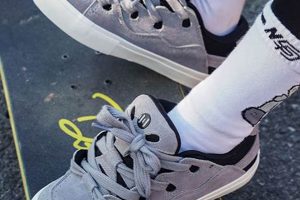
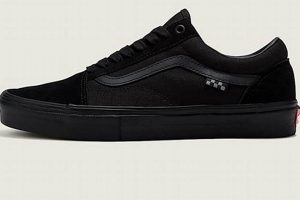
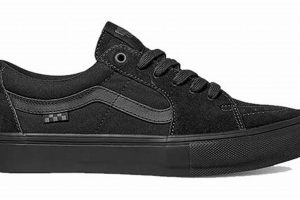
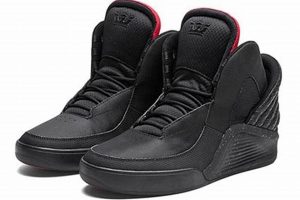
The act of securing footwear designed for skateboarding using laces. This process ensures the shoe remains firmly attached to the foot, allowing for optimal control and board feel. A properly executed fastening method can significantly impact a skater’s ability to perform tricks and maintain stability. Example: A skater meticulously adjusts the laces before attempting a complex maneuver to ensure a secure fit.
The effectiveness of a skater’s footwear fastening directly correlates with performance, injury prevention, and overall comfort. Tightly secured shoes offer enhanced ankle support, minimizing the risk of sprains or strains. Historically, skaters have experimented with various lacing techniques to achieve a balance between security and flexibility, adapting methods to suit individual preferences and skating styles.
The subsequent sections will detail established lacing techniques favored within the skateboarding community, providing step-by-step instructions and highlighting the advantages of each approach. Furthermore, the article will address common challenges and provide solutions for maintaining secure and comfortable footwear throughout extended periods of use.
Securing Skate Footwear
Optimizing the method of fastening footwear is crucial for enhancing performance, comfort, and safety during skateboarding. Adhering to these considerations will prolong shoe lifespan and contribute to a more enjoyable skating experience.
Tip 1: Consistent Lace Tension: Maintain uniform pressure along the entire length of the laces. Uneven tension can lead to discomfort, restricted circulation, or slippage within the shoe.
Tip 2: Knot Integrity: Employ a reliable knot known for its holding power. A square knot, properly executed, is less prone to loosening during activity.
Tip 3: Avoid Over-Tightening: Excessive pressure on the foot can impede circulation and cause discomfort. A secure, snug fit should be the objective, not a constricting one.
Tip 4: Lace Material Selection: Opt for durable laces designed to withstand abrasion and repeated tying. Waxed laces offer enhanced grip and resistance to wear.
Tip 5: Regular Inspection: Periodically examine laces for signs of fraying or damage. Replace compromised laces promptly to prevent unexpected failure.
Tip 6: Consider Lacing Patterns: Experiment with different lacing patterns to achieve a customized fit and address specific areas of concern, such as heel slippage or arch support.
Tip 7: Protective Measures: Implement methods that safeguard the laces against abrasion from the skateboard deck. This may involve tucking the ends inside the shoe or utilizing lace protectors.
Implementing these tips leads to enhanced control, extended shoe durability, and a reduction in potential injuries. Prioritizing the secure fastening of skateboarding footwear offers significant advantages.
The subsequent section will address advanced fastening methods and troubleshooting common issues associated with skateboarding shoe laces.
1. Secure knot

The integrity of the fastening system in skateboarding footwear hinges upon the employment of a knot that resists unintentional loosening. A compromised knot undermines ankle support, board feel, and overall safety, rendering the method used ineffective.
- Knot Selection and Reliability
The choice of knot directly impacts the probability of maintaining a secure fit. Common knots, such as a basic overhand knot, are inadequate for skateboarding due to their propensity to slip under stress. More robust knots, including the square knot or surgeon’s knot, offer superior holding power, critical for withstanding the dynamic forces encountered during skateboarding.
- Knot Tying Technique
Even a structurally sound knot can fail if improperly executed. Precise and deliberate tying, ensuring each loop is tightened correctly, is essential. Neglecting this aspect can result in a knot that appears secure upon initial inspection but unravels rapidly under pressure, compromising the shoe’s stability.
- Lace Material and Knot Interaction
The material composition of the laces influences the knot’s effectiveness. Slippery synthetic laces require knots with enhanced gripping properties, while textured cotton laces offer greater inherent friction. Selecting a knot compatible with the lace material is crucial for achieving a reliable fastening.
- Maintenance and Inspection
Regular inspection of the knot is necessary to identify signs of wear or loosening. Frayed laces or a distorted knot shape indicate potential failure. Prompt replacement of compromised laces and re-tying of the knot ensures continued security and prevents unexpected disruptions during skateboarding activity.
The relationship between the selected knot and the overall effectiveness of the fastening method is interdependent. A robust knot, properly executed and maintained, is paramount for preserving stability, preventing injuries, and optimizing the skateboarding experience. Failure to prioritize this aspect undermines all other efforts to achieve a secure and functional footwear system.
2. Lace Protection

Maintaining the integrity of skateboarding shoe laces is paramount for ensuring consistent performance and preventing premature equipment failure. Abrasion from the skateboard deck and repetitive stress can rapidly degrade lace material, compromising the shoe’s fastening system.
- Material Durability and Abrasion Resistance
The selection of laces constructed from high-tenacity fibers, such as nylon or Kevlar blends, offers enhanced resistance to abrasion. These materials withstand prolonged contact with the grip tape on a skateboard deck, significantly extending the lifespan of the laces. Waxed laces further contribute to durability by reducing friction and preventing fraying.
- Protective Accessories and Modifications
The utilization of lace protectors, typically constructed from durable polymers or leather, provides a physical barrier against abrasion in high-wear areas. These accessories are strategically positioned to shield the laces from direct contact with the deck, mitigating damage. Additionally, modifying lacing patterns to minimize exposed lace segments can reduce the risk of abrasion.
- Knot Placement and Lace Management
The positioning of the knot can influence lace protection. Tucking the knot and excess lace ends inside the shoe reduces exposure to abrasive surfaces, minimizing the likelihood of damage. Alternatively, looping the laces around the ankle before tying the knot can shorten the exposed length, providing a degree of protection.
- Regular Inspection and Maintenance
Implementing a routine inspection protocol allows for early detection of wear and tear. Frayed laces or visible damage necessitate immediate replacement to prevent catastrophic failure during skateboarding. Regular cleaning of the laces removes accumulated debris, further minimizing abrasive wear.
Effective lace protection strategies contribute directly to the longevity and functionality of skateboarding footwear. By prioritizing the implementation of durable materials, protective accessories, and proactive maintenance practices, skaters can minimize equipment failures and maintain consistent performance.
3. Ankle support
Adequate ankle support is a crucial consideration in skateboarding, influencing both performance and injury prevention. The method of securing footwear significantly impacts the degree of stability provided to the ankle joint.
- High-Top Design and Ankle Stabilization
Skate shoes incorporating a high-top design extend above the ankle joint, providing additional structural support. Tying the laces to the uppermost eyelets of such shoes enhances lateral stability, minimizing the risk of ankle sprains during landings and maneuvers. The height of the shoe, when properly laced, acts as a brace, restricting excessive movement. For example, a skater landing a jump places significant stress on the ankle. A properly laced high-top shoe can mitigate the impact and prevent injury.
- Lace Tension and Joint Compression
The tightness of the laces directly affects the level of compression applied to the ankle joint. A secure, but not overly tight, lacing technique provides uniform pressure, promoting proprioception and enhancing stability. Conversely, loosely tied laces offer minimal support, increasing the susceptibility to ankle injuries. Overly tight laces, however, can restrict circulation and cause discomfort. A balance between security and comfort is essential. Imagine a skater attempting a trick. With adequate lace tension, the ankle feels secure and supported, allowing for confident execution.
- Lacing Patterns and Customized Support
Variations in lacing patterns can be employed to customize the level of support provided to specific areas of the ankle. For example, a “heel lock” lacing pattern can minimize heel slippage within the shoe, enhancing ankle stability and preventing blisters. Similarly, skipping certain eyelets can alleviate pressure points and accommodate individual foot shapes. This adaptability allows skaters to fine-tune the fit and optimize ankle support based on personal preferences and needs.
- Integration with Insole and Shoe Construction
The effectiveness of ankle support is influenced by the interplay between the lacing system, the shoe’s insole, and overall construction. A supportive insole provides additional cushioning and arch support, contributing to overall stability. Similarly, a shoe with a reinforced heel counter offers enhanced rearfoot control, further minimizing the risk of ankle injuries. The lacing system works in conjunction with these elements to create a cohesive and supportive footwear system.
In summary, the method of securing skateboarding footwear is intrinsically linked to the provision of adequate ankle support. High-top designs, proper lace tension, customized lacing patterns, and integration with shoe construction elements all contribute to enhancing stability and reducing the risk of ankle injuries. Skaters should prioritize these considerations when selecting and securing their footwear to optimize both performance and safety.
4. Comfort

The pursuit of comfort in skateboarding footwear directly correlates with the method of securing it. Improper lacing techniques can lead to discomfort, impacting performance and potentially causing injury. The act of tightening laces, if executed without consideration for anatomical factors, can create pressure points, restrict circulation, and induce friction, leading to blisters and other foot ailments. For instance, over-tightening the laces across the instep can compress nerves and tendons, resulting in pain and reduced board feel. Conversely, insufficient tightening can cause the foot to move excessively within the shoe, leading to instability and discomfort.
Achieving optimal comfort requires a nuanced understanding of lacing patterns and their impact on foot mechanics. Different lacing configurations can be employed to address specific areas of discomfort. For example, a “window” lacing technique, which skips certain eyelets, can alleviate pressure on sensitive areas such as bunions or bony prominences. Furthermore, the selection of appropriate lace material and width plays a critical role. Thin, abrasive laces can exacerbate friction, while thicker, cushioned laces distribute pressure more evenly. Consider a skater spending hours practicing tricks; properly tied and comfortable shoes allow for sustained focus and prevent distractions caused by foot pain, leading to improved skill development.
Therefore, comfort should be viewed not merely as a desirable attribute, but as an essential component of the footwear fastening process. Ignoring the principles of comfortable lacing can negate the benefits of even the most technologically advanced skate shoe. Addressing challenges such as lace bite or heel slippage through informed lacing adjustments contributes directly to a more enjoyable and productive skateboarding experience. The ability to tie skate shoes effectively, with an emphasis on comfort, is a fundamental skill for any skater seeking to optimize performance and minimize the risk of injury.
5. Even tension
The concept of even tension is fundamental to effectively securing skateboarding footwear. Uneven distribution of pressure along the laces can cause a cascade of negative effects. A lack of uniform tightness can result in localized pressure points, restricting circulation and causing discomfort. Furthermore, inconsistent tension compromises ankle support, increasing the risk of sprains or strains. Consider a scenario where the lower laces are significantly tighter than the upper laces; the foot will likely experience discomfort in the forefoot area, while the ankle remains inadequately stabilized. This imbalance undermines the overall purpose of securing the shoe.
Achieving balanced pressure necessitates a deliberate and methodical approach to lacing. Each pair of eyelets should be tightened incrementally, ensuring a consistent level of snugness from the toe to the ankle. This process requires tactile feedback and a keen awareness of how the laces interact with the foot. For example, after passing the laces through the first set of eyelets, a small tug should be applied to each lace end, verifying that the tension is equal on both sides. This process should be repeated at each subsequent set of eyelets, progressively increasing the overall tightness while maintaining uniformity. Failing to adhere to this systematic approach often leads to the aforementioned problems of localized pressure and inadequate support. A practical application to enforce even tension can involve using both hands to pull the laces. Doing so avoids one side being overtightened.
In summary, even tension is not merely an ancillary detail, but an integral component of properly secured skateboarding footwear. Its impact extends beyond simple comfort, influencing stability, injury prevention, and overall performance. Challenges arise primarily from a lack of awareness or a rushed approach to the lacing process. By emphasizing the importance of balanced pressure and adopting a methodical technique, skaters can maximize the benefits of their footwear and minimize the risk of discomfort or injury.
6. Durability
The longevity of skateboarding footwear is intrinsically linked to the methods employed for fastening and maintaining the laces. Secure lacing techniques and appropriate lace material selection directly influence the shoe’s ability to withstand the rigorous demands of skateboarding.
- Lace Material and Abrasion Resistance
Lace material selection significantly impacts durability. High-tenacity fibers, such as nylon or Kevlar blends, offer superior abrasion resistance compared to traditional cotton laces. Waxed laces further enhance durability by reducing friction and preventing fraying. Consider a skater performing a kickflip; the laces are subjected to repeated contact with the grip tape. Durable laces withstand this abrasion, extending the shoe’s lifespan.
- Knot Security and Lace Integrity
A secure knot prevents slippage and minimizes the need for frequent adjustments, reducing stress on the laces. Knots that loosen easily cause the skater to repeatedly tighten the laces, accelerating wear and tear. A well-tied square knot, for example, maintains its integrity, preserving the laces and footwear. Frequent reties stretch and weaken the materials.
- Eyelet Reinforcement and Lace Stress Distribution
Reinforced eyelets prevent tearing and distribute stress evenly along the laces. Weak or poorly constructed eyelets can lead to lace breakage and premature shoe failure. Shoes with metallic eyelets, compared to those with simple fabric holes, provide greater resistance to stress. This reinforcement extends the life of both the shoe and laces.
- Protective Measures and Environmental Factors
Protecting the laces from environmental factors, such as dirt and moisture, extends their lifespan. Regular cleaning and the use of lace protectors minimize abrasion and prevent degradation. Skateboarding in wet conditions weakens the laces and shoe, reducing its usability faster than skateboarding on normal surfaces. Properly maintaining the shoe helps to sustain its value.
In conclusion, durability in skateboarding footwear is not solely dependent on the shoe’s construction but is significantly influenced by the fastening method and lace maintenance. Proper lacing techniques, combined with durable lace materials and protective measures, contribute to extending the lifespan of the footwear, providing skaters with enhanced performance and value.
7. Board feel

The tactile sensation transmitted from the skateboard to the skater’s feet, commonly termed “board feel,” is a critical element in skateboarding performance. The manner in which skate shoes are secured significantly influences the quality and clarity of this sensory feedback.
- Lace Tension and Sensory Input
Proper lace tension directly impacts the skater’s ability to perceive subtle nuances in the board’s movement. Even tension allows for uniform pressure distribution across the foot, enhancing sensitivity to vibrations and contours. Conversely, uneven or excessive tension can distort sensory input, hindering the skater’s ability to react effectively. An overtightened shoe may numb the foot, limiting the ability to feel the board. Loose shoes make subtle board movement difficult to perceive.
- Shoe Construction and Sole Flexibility
The construction of the skate shoe, particularly the flexibility of the sole, mediates the relationship between lace tightness and board feel. Shoes with thinner, more flexible soles transmit more detailed information about the riding surface, while thicker soles provide greater impact absorption but may dampen sensory feedback. A skater may use a shoe with a thin sole to increase board feel and compensate by tying shoes tighter.
- Lacing Patterns and Foot Conformation
Different lacing patterns can be utilized to accommodate individual foot shapes and enhance board feel. For instance, a wider foot may benefit from a lacing pattern that reduces pressure across the metatarsals, allowing for greater foot flexibility and improved sensory input. Adjusting the lacing patterns can compensate for uncomfortable shoe designs. The fit of the shoe influences the type of lacing pattern required.
- Knot Security and Foot Stability
A secure knot is essential for maintaining consistent foot stability within the shoe, which, in turn, contributes to enhanced board feel. A knot that loosens during skateboarding compromises foot control and can distort sensory feedback. This can prevent precise movement and accurate perception of the board’s orientation.
The factors detailed demonstrate that securing skateboarding footwear has a significant impact on board feel. The correct lacing method, shoe construction, and customized lacing patterns work in unison to give the skater the highest degree of control and touch with the board, enabling improved performance.
Frequently Asked Questions
This section addresses common inquiries regarding the proper methods for fastening skateboarding shoes, aiming to provide clarity and dispel misconceptions surrounding this essential aspect of skateboarding.
Question 1: What constitutes an appropriate level of tightness when securing skateboarding shoe laces?
The correct tightness should provide a snug fit, minimizing foot movement within the shoe, without restricting circulation or causing discomfort. The ability to wiggle toes freely while maintaining ankle stability is a general indicator of appropriate tightness.
Question 2: How frequently should skateboarding shoe laces be replaced?
Laces should be replaced at the first sign of fraying, tearing, or significant wear. Compromised laces pose a safety hazard and can negatively impact performance. Regular inspection is advisable.
Question 3: Is there a specific type of knot recommended for skateboarding shoe laces?
A square knot or surgeon’s knot is recommended due to its secure holding power and resistance to unintentional loosening. The selection of a reliable knot is crucial for maintaining ankle support and preventing slippage.
Question 4: Can different lacing patterns improve specific aspects of skateboarding shoe fit?
Yes, alternative lacing patterns can address issues such as heel slippage, pressure points, or lack of ankle support. Experimentation with different patterns is encouraged to achieve a customized fit.
Question 5: What measures can be taken to protect skateboarding shoe laces from abrasion caused by the skateboard deck?
Lace protectors, constructed from durable materials, can be affixed to the laces in high-wear areas. Tucking the lace ends inside the shoe can also minimize exposure to abrasive surfaces.
Question 6: Does the type of skateboarding influence the optimal method of securing shoe laces?
While the fundamental principles remain consistent, specific disciplines, such as vert or street skating, may necessitate adjustments to lacing tightness or ankle support based on individual preferences and performance requirements.
In summary, proper attention to the methods of securing skateboarding footwear is essential for safety, comfort, and optimal performance. Regular maintenance, informed lace selection, and appropriate knot tying are key considerations.
The subsequent section will address advanced topics related to skateboarding footwear and equipment maintenance.
Securing Skateboarding Footwear
This exploration of “how to tie skate shoes” has delineated the critical interplay between fastening techniques, performance, and safety. From knot selection and lace protection to ankle support and board feel, the evidence presented underscores the necessity of a deliberate approach. Neglecting these elements introduces risk and diminishes the potential for optimal execution.
The act of securing footwear, often treated as perfunctory, demands focused attention. Skaters are encouraged to critically evaluate their current methods, incorporating the principles outlined herein. By prioritizing secure and effective lacing, the skateboarding community can elevate performance standards and mitigate the potential for preventable injuries, ensuring a more sustainable and progressive future for the sport.