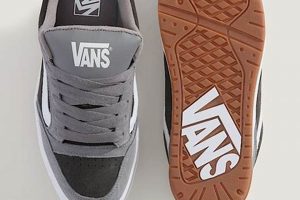
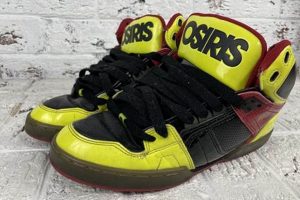
This segment focuses on the entities that manufacture footwear specifically designed for skateboarding. These companies often invest heavily in research and development to create durable, supportive, and high-performance products tailored to the unique demands of the sport. An example includes organizations that produce vulcanized rubber-soled shoes with reinforced stitching and impact-absorbing insoles.
The significance of these specialized producers lies in their contribution to skater safety, performance enhancement, and the overall culture surrounding skateboarding. Historically, skaters often adapted generic footwear, but the emergence of dedicated manufacturers revolutionized the sport by providing equipment engineered for the stresses of ollies, grinds, and other technical maneuvers. Furthermore, these entities often sponsor athletes and events, fostering the growth and development of the skateboarding community.
The subsequent sections will delve into the specific characteristics that differentiate leading manufacturers, examining their product lines, technological innovations, and influence within the skateboarding industry.
Selection Guidance
The following guidelines aim to inform the selection process when acquiring skateboarding footwear, focusing on factors impacting performance, durability, and safety.
Tip 1: Prioritize Durability: Skateboarding subjects footwear to significant abrasion. Opt for models featuring reinforced stitching in high-wear areas such as the ollie patch and toe box. Consider materials known for their resistance to tearing and scuffing, such as suede or leather.
Tip 2: Evaluate Sole Construction: The sole is crucial for board feel and impact absorption. Vulcanized soles offer excellent grip and board feel, while cupsole constructions provide increased cushioning and support for high-impact landings. Assess individual skating style and terrain to determine the optimal sole type.
Tip 3: Assess Padding and Support: Adequate padding around the ankle and tongue enhances comfort and protects against impact. Supportive insoles can reduce foot fatigue and prevent injuries, particularly when performing tricks involving repeated landings.
Tip 4: Consider Material Breathability: Skateboarding generates heat and perspiration. Choose footwear constructed with breathable materials such as canvas or perforated leather to improve ventilation and prevent overheating.
Tip 5: Inspect Lacing Systems: Lacing systems are vulnerable to damage from griptape. Recessed or reinforced eyelets can prolong lace lifespan. Some models incorporate hidden lacing systems for added protection.
Tip 6: Verify Fit and Comfort: Ensure the footwear fits snugly but not tightly, allowing for natural foot movement. Test the range of motion within the shoe to ensure unrestricted mobility while skating.
Adhering to these selection parameters contributes to improved performance, enhanced safety, and prolonged footwear lifespan. Careful consideration of material durability, sole construction, and support features can mitigate the wear and tear associated with skateboarding activities.
The subsequent sections will explore specific manufacturing entities and their unique contributions to the evolution of specialized skate footwear.
1. Reputation

A skate shoe manufacturer’s reputation directly influences consumer purchasing decisions and brand longevity. Positive reputations stem from consistent product quality, endorsements from influential skateboarders, and sustained engagement with the skateboarding community. Conversely, negative reputations, often resulting from product failures, ethical concerns, or perceived lack of authenticity, can lead to decreased sales and brand erosion. The cause-and-effect relationship is demonstrably evident in the success of established entities known for durable and innovative products, contrasting with the struggles of newcomers that fail to meet performance expectations or violate established norms within the skateboarding subculture.
Reputation acts as a form of social currency within the skateboarding world. Skaters often prioritize brands that align with their personal values and style. Manufacturers that actively support the skateboarding community through sponsorships, events, and charitable initiatives cultivate a strong brand image and build lasting relationships with consumers. For instance, a company that consistently sponsors local skateparks and provides opportunities for amateur skaters to showcase their talent is likely to garner greater loyalty and positive word-of-mouth compared to a competitor perceived as purely profit-driven. Examples include brands that actively support local skate scenes, demonstrating a genuine commitment beyond mere marketing tactics.
Understanding the importance of reputation is crucial for skate shoe manufacturers aiming for sustained success. Maintaining product quality, fostering genuine connections with the skateboarding community, and adhering to ethical business practices are essential components of building and preserving a positive brand image. Challenges include navigating online criticism, managing quality control across production facilities, and adapting to evolving consumer preferences. By prioritizing reputation management, manufacturers can establish a competitive advantage and secure a foothold in the dynamic skateboarding footwear market.
2. Durability

The durability of skate footwear directly dictates its lifespan and value proposition to consumers. Skateboarding, by its very nature, subjects footwear to intense abrasion and stress, particularly in areas such as the ollie patch, toe box, and sole. Manufacturers that prioritize durable materials and construction techniques offer products that withstand the rigors of skateboarding, resulting in extended use and reduced replacement frequency. Conversely, footwear lacking in durability necessitates frequent replacement, increasing costs for the skater and potentially impacting brand perception. A case in point is the frequent tearing or sole separation observed in cheaply constructed skate shoes, a phenomenon rarely seen in models from entities renowned for their robust designs. Examples include triple-stitched seams, reinforced ollie patches, and the use of abrasion-resistant materials like suede or leather in high-wear areas.
The importance of durability extends beyond mere cost savings. Reliable footwear enhances skater confidence, allowing them to focus on their performance without concern for equipment failure. Durable construction contributes to overall safety, reducing the risk of injury from torn or compromised footwear. For example, a sole that delaminates during a trick can lead to a loss of balance and a potential fall. Manufacturers often employ specific technologies to enhance durability, such as vulcanized sole construction, which bonds the sole to the upper for increased strength, or cupsole designs, which offer greater impact absorption and structural integrity. A practical application of this understanding lies in the skater’s ability to select footwear based on material composition and construction methods, aligning the product with their specific skating style and intensity.
In summary, durability is a critical determinant of the quality and value of skate footwear. By prioritizing robust materials, reinforced construction techniques, and innovative technologies, manufacturers can deliver products that withstand the demands of skateboarding, enhancing performance, safety, and overall user satisfaction. Challenges include balancing durability with factors such as weight and flexibility, as well as maintaining affordability. Nonetheless, the link between durability and brand reputation remains undeniable, impacting long-term success within the competitive market.
3. Technology
Technology plays a pivotal role in differentiating skate footwear manufacturers, influencing both performance and safety. The cause-and-effect relationship is evident in the advancements in sole construction, cushioning systems, and material science that directly impact a skater’s ability to perform tricks and absorb impact. Its importance stems from the necessity to create footwear that can withstand the rigors of skateboarding while providing the necessary support and board feel. For example, the introduction of polyurethane midsoles significantly improved impact absorption compared to earlier, less technologically advanced designs. A practical understanding of these technologies allows skaters to select footwear optimized for their specific skating style and the types of terrain they frequent.
Specific technological applications include vulcanized and cupsole construction methods, each offering distinct advantages. Vulcanized soles provide enhanced board feel and flexibility, while cupsole designs offer superior impact protection and support. Furthermore, advancements in materials, such as abrasion-resistant textiles and reinforced stitching patterns, contribute to increased durability. Another example is the implementation of air cushioning systems or gel inserts to further mitigate impact forces during landings. The integration of these technologies requires substantial investment in research and development, often resulting in patented designs that provide a competitive edge.
In summary, technological innovation is a crucial component in the evolution of skate footwear. Manufacturers that prioritize research and development are better positioned to deliver products that meet the evolving demands of skateboarders, enhancing both performance and safety. Challenges include balancing technological advancements with factors such as affordability and style. The ongoing pursuit of technological innovation remains a key differentiator within the skateboarding footwear market, driving improvements in comfort, durability, and overall skater experience.
4. Innovation
The linkage between innovation and entities specializing in skate footwear is foundational to their market position and longevity. A constant flow of novel designs, materials, and construction techniques differentiates competing manufacturers. The cause-and-effect relationship is evident; companies introducing groundbreaking features often witness increased market share, while those stagnating in design or technology risk obsolescence. The importance of innovation lies in addressing the evolving needs and preferences of skateboarders, encompassing improved durability, enhanced performance, and distinctive aesthetics. For instance, the development of impact-absorbing insoles significantly reduced foot fatigue and injury risk, setting a new standard within the industry. This practical advancement directly benefited skaters, enabling longer and more demanding sessions.
Further analysis reveals innovation manifesting across diverse facets of product development. Examples include the integration of recyclable materials, the adoption of seamless construction methods to minimize friction, and the creation of customized fit systems catering to individual foot shapes. The practical application of these innovations extends beyond performance enhancement, encompassing environmental responsibility and personalized comfort. Companies investing in research and development gain a competitive edge, allowing them to command premium prices and attract a loyal customer base. These brands often collaborate with professional skaters, leveraging their expertise to identify areas for improvement and to validate the effectiveness of new technologies.
In summary, innovation serves as a critical driver of success for skate footwear entities. Prioritizing research, embracing novel materials and techniques, and actively soliciting feedback from the skateboarding community are essential for maintaining a competitive edge. The challenge lies in balancing innovation with affordability and maintaining brand authenticity. The relationship between manufacturers and innovation is not merely a strategic advantage but a fundamental requirement for sustained relevance in the dynamic skateboarding market.
5. Design
Design, in the context of skateboarding footwear, transcends mere aesthetics. It encompasses functional considerations, material selection, and stylistic elements that collectively impact performance, durability, and brand identity. The integrated design approach adopted by manufacturers directly influences consumer appeal and market competitiveness.
- Aesthetic Appeal and Brand Identity
Visual design communicates a brand’s identity and resonates with specific skater subcultures. Color palettes, logo placement, and overall silhouette contribute to a shoe’s aesthetic appeal, influencing purchasing decisions. For example, minimalist designs might appeal to skaters prioritizing technical performance, while bolder, more expressive designs attract those seeking to make a visual statement. Manufacturers strategically employ design elements to align with target demographics and differentiate themselves from competitors.
- Functional Integration and Performance
Design considerations directly affect a shoe’s functionality. The placement and type of reinforcement materials, the shape of the toe box, and the design of the lacing system all impact a skater’s ability to perform tricks. Ergonomic design principles are applied to enhance board feel, improve grip, and reduce the risk of injury. For example, a low-profile design can enhance board feel, while strategically placed padding can provide crucial ankle support. Design integration ensures form complements function, optimizing performance.
- Material Selection and Durability
Material choices are integral to design and directly influence durability. Suede, leather, canvas, and synthetic fabrics each offer unique properties in terms of abrasion resistance, breathability, and flexibility. Design dictates how these materials are integrated to maximize lifespan and withstand the rigors of skateboarding. For example, reinforced stitching and multi-layered construction techniques can significantly enhance a shoe’s ability to resist tearing and wear. The careful consideration of material properties and their integration within the overall design is crucial for longevity.
- Innovation and Adaptability
Design serves as a vehicle for innovation, allowing manufacturers to incorporate new technologies and adapt to evolving skater preferences. Designers experiment with novel materials, construction methods, and stylistic elements to create cutting-edge products. For example, the development of breathable mesh panels or shock-absorbing insoles demonstrates the role of design in integrating performance-enhancing technologies. Design adaptability is essential for staying relevant in a dynamic market and catering to changing consumer demands.
The multifaceted nature of design extends beyond superficial appearances, encompassing performance, durability, and innovation. The integration of these elements directly impacts brand perception, consumer loyalty, and ultimately, market success within the specialized realm of skateboarding footwear. Therefore, design is not merely an aesthetic consideration but a strategic imperative.
6. Sponsorships

Sponsorships form an integral component of brand strategy within the skate shoe industry, establishing a symbiotic relationship between manufacturers and athletes. The cause-and-effect dynamic is evident: strategic sponsorships elevate brand visibility and athlete credibility, while athlete performance directly impacts brand perception and product desirability. The importance of sponsorships lies in their ability to establish brand authenticity within the skateboarding subculture, a community often resistant to overt marketing tactics. A tangible example is provided by entities that sponsor elite-level skateboarders, featuring them in advertising campaigns and leveraging their influence to promote specific product lines. These sponsorships generate significant media exposure, reaching a target audience highly receptive to endorsements from respected figures within the skateboarding world.
Further analysis reveals sponsorships extending beyond individual athletes, encompassing events, skateparks, and video productions. These initiatives foster community engagement and contribute to the overall growth of skateboarding. For instance, sponsorship of a major skateboarding competition provides a platform for brands to showcase their products to a large audience, both in person and through media coverage. The creation and support of skateparks offer tangible benefits to the skateboarding community, solidifying a brand’s commitment to the sport. Moreover, financing independent video projects allows brands to align themselves with the creative expression and artistic values prevalent within skateboarding culture. Consider, for example, entities that routinely fund the construction of public skate facilities, ensuring long-term brand visibility and fostering positive community relations.
In summary, sponsorships represent a critical marketing investment for brands specializing in skate shoes. They drive brand awareness, enhance product credibility, and cultivate relationships within the skateboarding community. The challenge lies in selecting appropriate athletes and initiatives that align with brand values and resonate with the target audience. Despite the costs associated with sponsorship agreements, the potential return on investment, in terms of enhanced brand equity and increased sales, renders sponsorships a fundamental component of successful marketing strategies within the skate shoe industry.
Frequently Asked Questions
This section addresses common queries regarding organizations producing footwear designed for skateboarding. The following questions aim to provide clarity on factors influencing product selection and brand differentiation.
Question 1: What criteria differentiate leading manufacturers of skateboard footwear?
Distinguishing characteristics include product durability, technological innovation, design aesthetics, sponsorship activities, and overall brand reputation within the skateboarding community. Manufacturers excelling in these areas typically command a larger market share.
Question 2: How does sole construction impact skateboard shoe performance?
Sole construction significantly affects board feel, grip, and impact absorption. Vulcanized soles offer superior board feel and flexibility, while cupsole designs provide enhanced protection and support for high-impact landings. The optimal sole type depends on individual skating style and terrain preferences.
Question 3: Why is durability a critical factor in skate shoe selection?
Skateboarding subjects footwear to intense abrasion. Durable materials and reinforced construction extend product lifespan, reducing the frequency of replacements and minimizing costs for the skater. Reliable footwear also enhances skater confidence and reduces the risk of injury.
Question 4: How do sponsorships influence brand perception in the skateboarding market?
Strategic sponsorships enhance brand visibility and credibility by associating manufacturers with respected athletes and events within the skateboarding community. These partnerships foster authenticity and strengthen brand loyalty among consumers.
Question 5: What role does design play in skateboard shoe functionality?
Design encompasses not only aesthetics but also functional considerations such as material placement, reinforcement strategies, and ergonomic features. Design integration ensures that form complements function, optimizing performance and user comfort.
Question 6: How does technological innovation contribute to advancements in skate shoe construction?
Technological innovation drives improvements in impact absorption, durability, and overall performance. Advancements in materials, cushioning systems, and construction methods enable manufacturers to create footwear that meets the evolving demands of skateboarders.
Key takeaways emphasize the importance of considering durability, technology, design, and brand reputation when selecting skate footwear. Careful evaluation of these factors can lead to improved performance, enhanced safety, and increased product satisfaction.
The subsequent section will provide a comparative analysis of specific manufacturing entities and their respective product offerings.
Brands of Skate Shoes
This exploration has dissected the multifaceted nature of manufacturers specializing in skate footwear. Key facets, including reputation, durability, technological innovation, design, and sponsorship strategies, have been scrutinized to elucidate their impact on both product performance and market positioning. The analysis underscores the critical interplay between these elements in determining the success and longevity of these entities.
The information presented facilitates informed decision-making within a consumer base demanding both performance and authenticity. Continued advancements in materials and construction methods will undoubtedly shape the future of skate footwear. A sustained commitment to innovation and community engagement remains paramount for brands seeking to thrive within this dynamic and demanding sector.
![Best Adidas Busenitz Skate Shoes [Review+Guide] | Learn to Surf & Skate: A Beginner's Step-by-Step Guide](https://universitysurfandskate.com/wp-content/uploads/2026/03/th-680-300x200.jpg "Best Adidas Busenitz Skate Shoes [Review+Guide] Learn to Surf & Skate: A Beginner's Step-by-Step Guide")