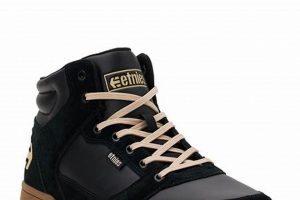
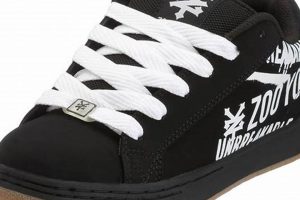
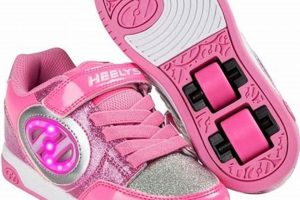
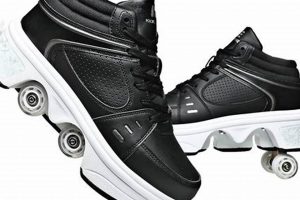
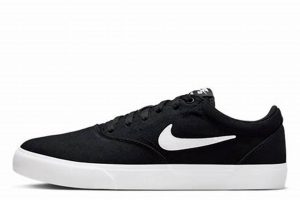
Footwear designed specifically for skateboarding, emphasizing durability, board feel, and grip, often embodies a minimalist aesthetic and caters to a counter-cultural ethos. These shoes prioritize performance and resilience to withstand the rigors of skateboarding. An example includes low-profile designs with reinforced stitching and vulcanized rubber soles, providing optimal contact with the skateboard.
The significance of these specialized shoes lies in their ability to enhance both the performance and safety of skateboarders. Their design features provide enhanced grip, impact absorption, and protection against abrasion, reducing the risk of injuries and allowing skaters to execute tricks with greater precision. Historically, these types of shoes have evolved from generic athletic footwear to specialized equipment, reflecting the increasing technical demands of skateboarding.
The following sections will delve into specific features, construction methods, material choices, and design philosophies that define this category of skateboarding footwear, offering a deeper understanding of their role in the skateboarding community.
Essential Considerations for Skateboarding Footwear
Selecting the appropriate footwear significantly impacts skateboarding performance and longevity. Understanding key characteristics ensures optimal function and protection.
Tip 1: Prioritize Durability: Examine the shoe’s construction, specifically the stitching and materials used in high-wear areas like the toe box and ollie patch. Reinforced stitching and durable materials such as suede or leather enhance resistance to abrasion from the grip tape.
Tip 2: Assess Sole Construction: Vulcanized soles offer superior board feel, allowing for greater sensitivity and control. Cupsole constructions provide enhanced impact protection, crucial for higher-impact landings. Select the sole type based on individual skating style and preference.
Tip 3: Evaluate Padding and Support: Adequate padding around the ankle collar and tongue improves comfort and reduces the risk of injury. Consider shoes with supportive insoles to minimize foot fatigue during extended skating sessions.
Tip 4: Analyze Grip Pattern: The outsole pattern significantly affects grip and board control. Look for patterns with deep grooves and multi-directional tread to maximize traction on the skateboard.
Tip 5: Examine Material Composition: Suede and leather uppers offer enhanced durability and resistance to tearing. Canvas uppers provide breathability and flexibility, though may be less resistant to abrasion. Consider the balance between durability and flexibility based on skateboarding style.
Tip 6: Consider Weight and Profile: Lower-profile shoes allow for better board feel and maneuverability. Heavier, more padded shoes provide greater impact protection. Weigh the benefits of each to determine the optimal choice.
Choosing the right footwear requires careful consideration of durability, sole construction, support, grip, material composition, and profile. Making informed decisions ensures a more enjoyable and safer skateboarding experience.
The next section will address the care and maintenance of these shoes to extend their lifespan and maintain optimal performance.
1. Durability

Durability represents a fundamental requirement in skateboarding footwear, directly impacting the lifespan and performance of the shoes under the demanding conditions of the sport. The selection of materials and construction techniques directly correlate with the shoe’s ability to withstand abrasion, impact, and repeated stress.
- Material Selection
The composition of the shoe’s upper, sole, and internal components significantly influences its resistance to wear and tear. Suede and leather, known for their abrasion resistance, are commonly employed in high-wear areas. Vulcanized rubber soles, while providing excellent board feel, must also be formulated for durability to prevent rapid degradation. The quality and density of these materials are crucial determinants of longevity.
- Stitching and Construction
Reinforced stitching patterns, particularly in areas subject to frequent contact with the skateboard’s grip tape, are vital for maintaining structural integrity. Double or triple stitching, along with the use of durable thread, minimizes the risk of seams unraveling. The method of attaching the sole to the upper whether through vulcanization or cementing also affects the shoe’s overall durability and resistance to separation.
- Impact Resistance
Skateboarding involves repeated impacts, particularly during landings. Durable skateboarding footwear incorporates cushioning materials, such as polyurethane or EVA foam, to absorb and dissipate impact forces. The placement and density of these materials are strategically designed to protect the foot and extend the lifespan of the shoe by minimizing stress on its structural components.
- Reinforcement Strategies
Durable skateboarding shoes integrate reinforcement strategies such as rubber toe caps, ollie patches, and heel counters. These features protect vulnerable areas from abrasion and impact, significantly increasing the shoe’s lifespan. Toe caps provide a protective barrier against wear from pushing, ollie patches prevent damage from the ollie motion, and heel counters maintain structure and support.
The integration of durable materials, robust construction techniques, impact-resistant cushioning, and strategic reinforcement ultimately defines the suitability of footwear for skateboarding. Prioritizing durability ensures not only a longer lifespan for the shoes but also a more reliable and consistent performance, contributing to a more satisfying skateboarding experience.
2. Board Feel

Board feel, a tactile connection between the skateboarder’s foot and the board, directly influences control, responsiveness, and ultimately, the skater’s ability to execute maneuvers. This connection is significantly mediated by the design and construction of specialized skateboarding footwear.
- Sole Thickness and Construction
A thinner sole enhances board feel by minimizing the distance between the foot and the board. Vulcanized construction, characterized by its flexibility and low profile, is often preferred for maximizing this connection. In contrast, thicker cupsole constructions, while offering greater impact protection, may reduce sensitivity and board feel. The choice between these constructions represents a trade-off between protection and control.
- Outsole Material and Pattern
The composition of the outsole material affects its grip and flexibility, both of which contribute to board feel. Softer, more pliable rubber compounds tend to provide better grip and conform to the board’s contours, enhancing sensitivity. Outsole patterns with shallow treads further improve board feel by minimizing interference between the foot and the board. Conversely, deeper treads prioritize grip over sensitivity.
- Upper Material Flexibility
The flexibility of the upper material can also influence board feel. Supple materials, such as canvas or thin suede, allow the foot to flex and conform to the board’s shape, enhancing sensitivity. Stiffer materials, while providing greater support, may limit this tactile connection. The choice of upper material represents a balance between support and board feel.
- Insole Design and Placement
While insoles primarily focus on comfort and impact absorption, their design can also affect board feel. Thinner insoles with minimal arch support promote a closer connection to the board, while thicker, more contoured insoles may dampen sensitivity. The placement of the insole within the shoe also influences the overall board feel, with closer placement to the outsole maximizing tactile feedback.
The interplay between sole thickness, outsole material, upper flexibility, and insole design collectively determines the board feel experienced by the skater. By carefully considering these factors, skateboarders can select footwear that optimizes their connection to the board, enhancing control and facilitating more nuanced performance. The preference for specific features often depends on individual skating style and priorities.
3. Grip

Grip represents a critical performance parameter in skateboarding footwear. The ability to maintain a secure connection between the shoe and the skateboard deck directly influences control, stability, and the successful execution of tricks.
- Outsole Material Composition
The selection of rubber compounds significantly impacts the outsole’s grip characteristics. Softer rubber formulations, typically characterized by a higher coefficient of friction, tend to provide superior grip on the skateboard deck’s grip tape. Harder rubber compounds offer increased durability but may compromise traction. Material selection represents a trade-off between longevity and performance. An example includes the use of vulcanized rubber soles that conform to the concave of the board, increasing contact area. The impact on performance is measurable in the consistency of trick execution.
- Tread Pattern Design
The pattern embossed on the outsole influences grip performance by affecting the contact area and channeling debris away from the contact surface. Geometric patterns, such as herringbone or waffle designs, increase the effective surface area and provide multidirectional grip. Deeper grooves within the pattern facilitate water dispersion, maintaining traction in wet conditions. Conversely, smoother outsoles maximize board feel but may offer reduced grip. The design of the pattern is a critical factor in grip efficacy.
- Vulcanization Process
The vulcanization process, which chemically bonds the rubber outsole to the shoe’s upper, significantly affects the flexibility and grip characteristics. Properly vulcanized soles conform more readily to the contours of the skateboard deck, increasing contact area and improving grip. Improper vulcanization can result in a stiff, less grippy sole, negatively impacting performance. The process directly determines the structural integrity and functional properties of the outsole.
- Surface Texture
The surface texture of the outsole contributes to the overall grip performance. Microscopic irregularities on the rubber’s surface increase the coefficient of friction and enhance the shoe’s ability to adhere to the skateboard deck. Surface treatments or additives can be incorporated into the rubber compound to further improve the grip characteristics. This facet is often overlooked but crucial for optimal traction.
The interplay between outsole material composition, tread pattern design, the vulcanization process, and surface texture dictates the grip performance. Maximizing grip enhances control and confidence. This directly influences the skater’s ability to perform technical maneuvers consistently. The careful consideration of these facets is paramount in the design and selection.
4. Protection

Sustaining the physical well-being of the skateboarder necessitates careful consideration of protective features incorporated into specialized footwear. The repetitive and high-impact nature of skateboarding exposes the feet and ankles to significant risk, making adequate protection paramount.
- Ankle Support and Collar Padding
The ankle joint is particularly vulnerable to sprains and fractures during skateboarding. High-top designs and padded ankle collars provide enhanced support, limiting excessive movement and reducing the risk of injury. Stiffening agents integrated into the collar construction further stabilize the ankle, especially during landings. A skater landing awkwardly may experience reduced injury severity due to such support. Without adequate support, the likelihood of ankle injuries increases significantly.
- Impact Absorption and Cushioning
Repeated impacts from landing tricks can cause significant stress on the feet, knees, and joints. Cushioning technologies, such as polyurethane or EVA foam midsoles, absorb and dissipate impact forces, reducing the risk of stress fractures, bruising, and joint pain. Strategic placement of cushioning in the heel and forefoot areas provides targeted protection where it is most needed. A skater experiencing a hard landing will benefit from the shock absorption, thereby mitigating potential injuries. Insufficient cushioning can lead to long-term joint problems.
- Toe Cap Reinforcement
The toe area of skateboarding shoes is subject to constant abrasion from pushing and performing flip tricks. Reinforced toe caps, often constructed from durable rubber or additional layers of material, protect the toes from injury and prevent premature wear and tear of the shoe. This reinforcement extends the lifespan of the shoe while safeguarding the toes from impact and abrasion. The absence of a reinforced toe cap can lead to rapid shoe deterioration and potential toe injuries.
- Internal Heel Counter
The heel counter, an internal structure that cups the heel, provides stability and prevents excessive pronation or supination, reducing the risk of ankle injuries and improving overall foot support. A robust heel counter maintains the shoe’s shape and prevents the heel from shifting during high-impact activities. A skater with a weak heel counter may experience instability and an increased risk of ankle rolling. Conversely, a well-designed heel counter promotes proper foot alignment and stability.
The integration of ankle support, impact absorption, toe cap reinforcement, and a robust heel counter is essential for safeguarding skateboarders from injury. Prioritizing these protective features ensures not only a safer skateboarding experience but also prolonged comfort and performance. Specialized footwear design mitigates the inherent risks of skateboarding by providing targeted protection to vulnerable areas of the foot and ankle.
5. Style
In the context of skateboarding footwear, style transcends mere aesthetics; it represents a complex interplay between functionality, cultural identity, and individual expression. Footwear designs frequently reflect the evolving trends within the skateboarding community while simultaneously adhering to the practical requirements of the sport. This manifests in silhouettes, color palettes, and detailing choices that resonate with skateboarders’ preferences. The adoption of minimalist designs, for instance, can be interpreted as both a stylistic preference and a functional consideration, allowing for increased board feel and maneuverability. Style within skateboarding footwear serves as a visual shorthand, communicating affiliation and signaling an understanding of the culture.
The stylistic elements of skate shoes, from the choice of materials to the placement of logos, are often deliberate choices that reflect the ethos of specific brands. Some brands cultivate a raw, utilitarian aesthetic, emphasizing durability and performance above all else. Others prioritize a more fashion-conscious approach, incorporating design elements borrowed from streetwear or high fashion. These distinct styles cater to different segments within the skateboarding community. Examining the evolution of skate shoe design reveals how style has adapted to reflect shifting trends and technological advancements in skateboarding. Brands that successfully capture the prevailing stylistic preferences are often rewarded with increased market share and cultural relevance.
Understanding the connection between style and skateboarding footwear possesses significant practical implications for both designers and consumers. Designers who are attuned to the evolving stylistic preferences of skateboarders can create products that resonate with their target audience, driving sales and building brand loyalty. Consumers can leverage this understanding to select footwear that not only performs well but also aligns with their personal style and cultural identity. The fusion of practicality and aesthetics is a defining characteristic of skateboarding footwear, making style a crucial consideration for all involved.
6. Comfort
Comfort, a vital attribute frequently underestimated in specialized skateboarding footwear, significantly influences performance and long-term foot health. The impact of discomfort extends beyond mere annoyance; it directly affects a skater’s ability to maintain focus, execute tricks with precision, and endure extended sessions. A poorly designed shoe lacking proper cushioning or support can lead to fatigue, blisters, and even chronic injuries. The selection of materials, such as breathable fabrics and shock-absorbing insoles, directly correlates with the level of comfort experienced. A real-world example includes a skater modifying their shoes with aftermarket insoles to improve cushioning, highlighting the importance of this feature. Neglecting comfort can negate the performance benefits of other design elements like durability and board feel.
The integration of ergonomic design principles further enhances comfort in specialized skateboarding footwear. Contoured footbeds that provide arch support and adequately padded collars that prevent chafing minimize discomfort during intense activity. Consider the design of the inner lining; a smooth, seamless lining reduces friction and prevents blisters. Furthermore, the shoe’s breathability prevents overheating and moisture buildup, crucial for maintaining foot comfort during prolonged use. The practical application of these design elements translates to increased time spent skateboarding without experiencing discomfort, ultimately improving skill development and enjoyment. A skater who can skate for hours without foot fatigue is more likely to progress and improve their technique.
In conclusion, comfort is an indispensable component, not merely an afterthought, in specialized skateboarding footwear. Its influence extends beyond immediate ease, impacting performance, injury prevention, and overall skateboarding longevity. Challenges arise in balancing comfort with other performance-driven requirements like board feel and durability. However, prioritizing ergonomic design, breathable materials, and adequate cushioning is paramount in creating footwear that supports both the skater’s performance and their long-term foot health. Ignoring comfort diminishes the potential benefits of other design features and can have long-lasting negative consequences.
Frequently Asked Questions About Last Resort Skate Shoes
The following addresses common inquiries and misconceptions concerning skateboarding footwear designed for demanding use.
Question 1: What distinguishes skateboarding footwear from conventional athletic shoes?
Skateboarding-specific footwear incorporates reinforced construction, durable materials, and specialized outsole patterns to withstand the rigors of skateboarding. These features are typically absent in general athletic shoes.
Question 2: How does sole construction affect skateboarding performance?
Vulcanized soles offer enhanced board feel, while cupsole constructions provide greater impact protection. The optimal choice depends on an individual’s skating style and preference for sensitivity versus protection.
Question 3: What materials are most durable for skateboarding footwear uppers?
Suede and leather are commonly employed due to their abrasion resistance. Canvas offers breathability but may be less resistant to wear and tear from grip tape.
Question 4: How frequently should skateboarding shoes be replaced?
The lifespan of skateboarding shoes varies depending on skating frequency, style, and the shoe’s construction. Signs of wear, such as sole separation or upper tears, indicate the need for replacement.
Question 5: Can skateboarding footwear be used for other activities?
While skateboarding shoes may be suitable for casual wear, their specialized construction is optimized for skateboarding. Using them for high-impact activities may reduce their lifespan.
Question 6: How does grip pattern affect skateboarding performance?
Aggressive tread patterns enhance traction and board control, while smoother soles offer greater board feel. The ideal grip pattern depends on an individual’s skating style and preferred level of board feel.
Understanding the specialized design and construction of skateboarding footwear is crucial for selecting appropriate shoes and maximizing performance. Durability, sole construction, and grip are essential factors to consider.
The subsequent section will examine the history and evolution of skateboarding shoe design.
Last Resort Skate Shoes
This exploration detailed the critical aspects of skateboarding footwear, focusing on features such as durability, board feel, grip, protection, style, and comfort. These elements are not independent but rather interconnected attributes that collectively determine the performance and longevity of the shoes, impacting the skater’s experience.
Understanding the nuances of skateboarding footwear empowers informed decision-making, ensuring that the chosen equipment aligns with individual needs and promotes both skill progression and personal safety. Continued innovation in materials and design will undoubtedly shape the future of skateboarding footwear, further optimizing performance and protection for skaters.