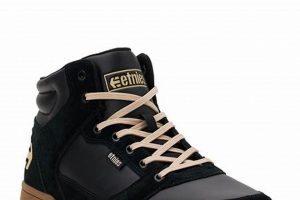
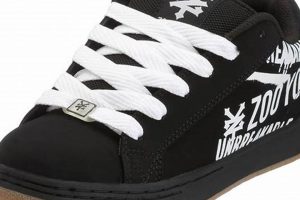
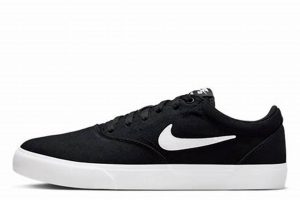
Footwear designed for skateboarding, often incorporating features such as reinforced construction, durable materials like suede and leather, and specialized outsoles for enhanced grip and board feel, exemplifies a market segment focused on performance and durability. These athletic shoes cater to the specific demands of skateboarding, providing protection and support during rigorous activity. For example, a skater might choose footwear with a vulcanized rubber sole for optimal board control.
The significance of appropriate footwear in skateboarding stems from the need for both safety and performance enhancement. Durable construction protects against abrasion and impact, while specialized outsoles provide the necessary traction for executing tricks. Historically, skaters often modified existing athletic shoes to better suit their needs, leading to the development of dedicated skate shoe designs. This evolution highlights the importance of understanding the biomechanical stresses placed on footwear during skateboarding and tailoring designs accordingly.
The following article will delve into the specific design features, technological innovations, and factors to consider when selecting suitable athletic footwear for skateboarding, addressing crucial aspects such as durability, support, and board feel, and exploring the brands that are currently driving innovation in this specialized footwear market.
Selecting Appropriate Skate Footwear
Choosing the correct footwear is paramount for both performance enhancement and injury prevention in skateboarding. The following guidelines offer critical insights into selecting appropriate skate footwear.
Tip 1: Prioritize Durability: Examine the construction materials of skate footwear. Suede and leather are commonly employed for their abrasion resistance. Reinforced stitching and durable overlays enhance longevity, particularly in high-wear areas such as the toe and ollie patch.
Tip 2: Evaluate Outsole Construction: A vulcanized rubber outsole provides superior board feel and grip. This construction method bonds the sole to the upper, resulting in a flexible and durable connection essential for board control.
Tip 3: Consider Cushioning and Impact Protection: Skateboarding subjects the feet to significant impact. Opt for footwear with adequate cushioning in the midsole and heel area. Polyurethane or EVA foam midsoles offer effective impact absorption, reducing stress on joints.
Tip 4: Assess Ankle Support: Proper ankle support minimizes the risk of sprains and injuries. High-top skate footwear provides increased ankle stability. Padded collars and tongues further enhance comfort and support.
Tip 5: Analyze Tread Pattern: The outsole tread pattern significantly impacts grip. A herringbone or geometric tread pattern offers optimal traction on various surfaces. Deep grooves improve flexibility and allow for natural foot movement.
Tip 6: Evaluate Fit and Comfort: Ensure skate footwear provides a snug but comfortable fit. Ample toe room prevents discomfort and allows for natural foot splay. Consider the width of the footwear to accommodate individual foot shapes.
Tip 7: Inspect Lacing System: A secure lacing system is crucial for maintaining a proper fit. Reinforced eyelets and durable laces prevent breakage and ensure consistent tension across the foot. Consider lace protection features to minimize abrasion.
Adhering to these considerations when selecting skate footwear enhances both performance and safety, mitigating the risk of injury and optimizing board control.
The following sections will explore specific examples of high-performance skate footwear, examining their design features and suitability for various skateboarding styles.
1. Durability Materials and Skate Footwear

The correlation between durability materials and specialized athletic footwear for skateboarding is direct and fundamentally significant. Skateboarding subjects footwear to extreme abrasion, impact, and stress. Consequently, the selection of durable materials directly influences the lifespan and performance of skate shoes. Inferior materials will degrade rapidly, compromising both safety and board control. Therefore, manufacturers of skateboarding shoes, including those under the New Balance brand, prioritize materials engineered for high resistance to wear and tear.
New Balance skate shoes frequently utilize suede and leather uppers due to their inherent durability and ability to withstand repetitive friction against grip tape and concrete surfaces. Reinforcement in high-wear areas, such as the toe cap and ollie patch (the area of the shoe that contacts the skateboard during an ollie), is often achieved through the incorporation of multiple layers of these robust materials or the addition of synthetic overlays. Vulcanized rubber outsoles, another critical component, offer a balance of grip and abrasion resistance. The quality of the rubber compound used in the outsole directly impacts its ability to withstand constant contact with the board and ground. Triple stitching and reinforced eyelets are also commonly employed to enhance overall structural integrity and prevent premature failure of the shoe’s seams and lacing system.
In summary, the choice of durable materials is paramount in the design and construction of skateboarding footwear. This selection directly impacts the shoe’s ability to withstand the unique stresses imposed by the sport, affecting longevity, performance, and the skater’s overall safety. The understanding and implementation of material science principles are therefore central to the development of effective and reliable New Balance skate shoes. The challenge remains in continuously innovating and incorporating new materials that offer improved durability without compromising board feel, flexibility, or weight.
2. Outsole Grip

The outsole grip of athletic shoes specifically designed for skateboarding, including those manufactured by New Balance, is a critical determinant of performance and safety. Outsole grip directly influences a skater’s ability to maintain board control, execute tricks, and prevent slippage. The interaction between the outsole material and the skateboard’s grip tape generates the necessary friction for stability and maneuverability. A compromised grip leads to instability, increasing the risk of falls and hindering the execution of technical maneuvers. For instance, a skater attempting an ollie relies on the outsole’s adherence to the board to lift the skateboard effectively. Similarly, during a grind, the outsole provides crucial friction for maintaining balance on the coping or rail. Without adequate grip, successful execution of these maneuvers becomes significantly more difficult.
New Balance skate shoes often employ vulcanized rubber or variations of proprietary rubber compounds in their outsoles to optimize grip. The specific tread pattern design further contributes to the overall grip performance. Herringbone patterns, geometric shapes, and deep grooves are commonly used to enhance surface area contact and improve traction across diverse skateboarding environments. Different rubber durometers (hardness) also impact grip; softer compounds generally offer increased grip but may exhibit reduced durability. The selection of appropriate outsole materials and tread patterns reflects a trade-off between grip, durability, and flexibility. Furthermore, manufacturing processes like applying specific textures to the rubber surface are utilized to fine-tune the coefficient of friction between the outsole and the board. These strategic design choices are meticulously implemented to cater to the unique demands and rigors of skateboarding.
In summation, outsole grip stands as an indispensable component of athletic footwear engineered for skateboarding. A skaters success is highly correlated with this design element. New Balance’s incorporation of advanced rubber compounds, strategic tread patterns, and refined manufacturing techniques underscores the brand’s dedication to providing skaters with reliable and high-performing footwear. Challenges remain in continually enhancing grip without sacrificing durability or flexibility, demanding ongoing material research and innovative design approaches to elevate the performance and safety standards within the skateboarding footwear industry.
3. Impact Protection

Impact protection constitutes a critical design element in athletic footwear engineered for skateboarding, a high-impact activity. Skateboarding involves repeated jumping, landing, and maneuvering, subjecting the feet and joints to significant stress. Insufficient impact protection can lead to injuries such as heel bruises, stress fractures, and ankle sprains. Therefore, New Balance skate shoes, like other performance skate footwear, incorporate specific technologies and materials aimed at mitigating these forces. The effectiveness of impact protection directly influences the skater’s comfort, endurance, and overall safety during sessions. For example, a skater executing a jump from a ledge places substantial force on their heels upon landing; inadequate cushioning can result in immediate pain and long-term damage.
New Balance typically integrates cushioning materials such as EVA (ethylene-vinyl acetate) foam, polyurethane midsoles, or proprietary gel inserts into the heel and forefoot areas of their skate shoes. These materials function by absorbing and dispersing impact energy, reducing the peak force transmitted to the foot. The thickness and density of the cushioning material are key factors in determining the level of protection offered. Furthermore, some New Balance skate shoe models incorporate additional protective features such as reinforced heel counters or internal shock-absorbing pods. The strategic placement of these features aligns with common impact zones, providing targeted support and cushioning. The design considerations extend beyond raw impact absorption; the stability and responsiveness of the cushioning system are also crucial. Excessive cushioning without adequate support can compromise board feel and control, while overly stiff cushioning may reduce impact absorption effectiveness.
In conclusion, impact protection represents an indispensable attribute of skate footwear. The integration of advanced cushioning materials and strategic design elements in New Balance skate shoes demonstrates a commitment to safeguarding skaters from the inherent risks of the sport. The ongoing challenge lies in developing impact protection systems that deliver optimal shock absorption without sacrificing board feel, flexibility, or overall shoe weight. Further research into material science and biomechanics will continue to drive innovation in this critical area, ensuring that skate footwear effectively protects skaters while enabling peak performance.
4. Ankle support

Ankle support constitutes a critical design parameter within athletic footwear specifically engineered for skateboarding, including models produced by New Balance. Given the dynamic and high-impact nature of skateboarding, adequate ankle support is essential for injury prevention and performance enhancement.
- High-Top vs. Low-Top Designs
The height of the shoe collar directly impacts the level of ankle support offered. High-top New Balance skate shoes provide greater coverage and stability around the ankle joint, reducing the risk of sprains and strains during landings and directional changes. Low-top designs offer increased flexibility and range of motion but provide less inherent ankle support, potentially increasing vulnerability to injury. The choice between high-top and low-top often reflects a trade-off between support and freedom of movement.
- Padded Collars and Internal Support Structures
New Balance incorporates padded collars and internal support structures within their skate shoes to enhance ankle stability and comfort. Padded collars cushion the ankle against impact and prevent chafing, while internal support structures, such as reinforced heel counters or supportive overlays, provide additional stabilization and limit excessive pronation or supination of the foot during skateboarding maneuvers. These features collectively contribute to a more secure and controlled feel.
- Lacing System Integration
The lacing system plays a crucial role in securing the foot within the shoe and influencing ankle stability. New Balance skate shoes often feature lacing systems that extend higher up the ankle, allowing for a more customized and supportive fit. Proper tightening of the laces can provide additional compression and stabilization around the ankle joint, reducing the likelihood of unwanted movement or injury. Conversely, loose or improperly laced shoes offer inadequate support and increase the risk of ankle instability.
- Material Stiffness and Responsiveness
The materials used in the construction of the upper and surrounding the ankle influence the level of support provided. Stiffer materials offer greater structural support and limit ankle movement, while more flexible materials allow for a greater range of motion. New Balance balances these factors, selecting materials that provide adequate support without compromising board feel or overall shoe comfort. The responsiveness of the materials also contributes to ankle stability, allowing the shoe to react quickly to changes in direction or impact forces.
These facets of ankle support, as implemented in New Balance skate shoes, are integral to mitigating injury risks associated with skateboarding. Skaters frequently must weigh the benefits of increased support against potential reductions in flexibility, selecting shoe designs that best align with their skating style and perceived risk tolerance.
5. Board feel

Board feel, a subjective yet critical attribute of skate footwear, describes the skater’s ability to sense the skateboard beneath their feet. It influences control, precision, and the overall skateboarding experience. New Balance skate shoes, like other specialized skate footwear, are designed with considerations for optimizing board feel, recognizing its importance in enabling skaters to perform intricate maneuvers and maintain a connection with their board.
- Sole Thickness and Construction
The thickness and construction of the sole directly impact board feel. Thinner soles generally provide enhanced board feel, allowing the skater to more readily sense the contours of the board and subtle changes in its movement. New Balance skate shoes often feature vulcanized soles, known for their flexibility and ability to conform to the board’s shape, thus promoting a more direct connection. Cupsole construction, while offering increased impact protection, can sometimes reduce board feel due to its thicker profile and greater separation between the foot and the board. A balance between impact protection and board feel is a critical design consideration.
- Outsole Material and Tread Pattern
The outsole material and tread pattern influence the sensitivity and grip that contribute to board feel. Softer rubber compounds typically offer greater grip and sensitivity, allowing the skater to feel subtle variations in the board’s surface. The tread pattern, whether a classic herringbone or a more modern geometric design, can also affect the skater’s ability to perceive the board’s movement. New Balance skate shoes often incorporate specific tread patterns designed to maximize grip without sacrificing the skater’s ability to “read” the board.
- Midsole Cushioning and Flexibility
The midsole cushioning system plays a role in transmitting sensations from the board to the skater’s foot. Highly cushioned midsoles can dampen vibrations and reduce impact forces, but they can also diminish board feel by isolating the foot from the board. New Balance skate shoes often employ strategically placed cushioning elements that provide impact protection while minimizing the reduction in board feel. The flexibility of the midsole is also important, allowing the shoe to flex and conform to the board’s shape, further enhancing the connection between the skater and their board.
- Upper Construction and Flexibility
The upper construction contributes to overall shoe flexibility and its impact on board feel. A flexible upper allows the foot to move naturally and respond to subtle changes in the board’s movement. Stiff or restrictive uppers can hinder board feel by limiting the foot’s ability to flex and adapt. New Balance skate shoes often feature suede or canvas uppers that provide a balance of durability and flexibility, allowing for optimal board feel without compromising the shoe’s structural integrity.
These interrelated elements work in concert to determine the overall board feel of New Balance skate shoes. Design choices reflect a continual attempt to optimize the skater’s connection with the board, maximizing control, precision, and responsiveness. The perception of board feel is subjective and varies among skaters, depending on individual preferences and skating styles. Experimentation with different shoe designs and construction features remains essential in finding the ideal balance between board feel, support, and protection.
6. Fit & comfort
The relationship between fit and comfort within the context of New Balance skate shoes constitutes a critical determinant of performance, injury prevention, and overall user satisfaction. Improper fit can lead to a cascade of negative effects, including blisters, chafing, compromised board feel, and increased risk of ankle instability. Conversely, properly fitted and comfortable skate shoes enable skaters to execute maneuvers with greater precision, reduce fatigue, and minimize the likelihood of foot-related injuries. New Balance’s approach to skate shoe design often prioritizes anatomical considerations, seeking to provide a secure and supportive fit that accommodates the unique stresses placed on the feet during skateboarding. For example, shoes that are too tight can restrict blood flow, leading to numbness and discomfort, while shoes that are too loose can result in excessive foot movement within the shoe, causing blisters and reducing board control.
Specific design elements within New Balance skate shoes contribute to achieving optimal fit and comfort. These may include strategically placed padding, anatomical footbeds, and flexible upper materials that conform to the shape of the foot. The lacing system plays a pivotal role in securing the foot and adjusting the fit to individual preferences. Some New Balance models incorporate features such as gusseted tongues or asymmetrical lacing patterns to further enhance comfort and reduce pressure points. The materials used in the construction of the upper, such as suede or canvas, are selected for their breathability and flexibility, contributing to a more comfortable and adaptable fit. The selection of appropriate sock thickness also influences overall fit and comfort, with thicker socks providing additional cushioning and support, while thinner socks may enhance board feel. For instance, a skater with wide feet may seek out New Balance models with a wider toe box to prevent cramping and discomfort, while a skater with narrow feet may prefer models with a snugger fit to ensure secure lockdown and prevent slippage.
In conclusion, the synthesis of proper fit and comfort represents a fundamental aspect of New Balance skate shoe design. The integration of anatomical considerations, strategic design elements, and carefully selected materials aims to provide skaters with footwear that maximizes performance, minimizes the risk of injury, and enhances the overall skateboarding experience. The ongoing challenge lies in continuously innovating and refining fit technologies to accommodate the diverse range of foot shapes and skating styles within the skateboarding community, ensuring that New Balance skate shoes consistently deliver a comfortable and secure fit for all users.
Frequently Asked Questions
The following section addresses common inquiries regarding New Balance shoes specifically designed for skateboarding, offering concise and factual information to clarify key aspects.
Question 1: What design characteristics differentiate New Balance skate shoes from general athletic footwear?
New Balance skate shoes incorporate reinforced construction, durable materials such as suede and leather, and specialized outsoles optimized for grip and board feel. These features cater to the specific demands of skateboarding, offering enhanced protection and performance compared to generic athletic shoes.
Question 2: How does New Balance address durability concerns in its skate shoe line?
Durability is a primary consideration. New Balance skate shoes often utilize suede and leather uppers, reinforced stitching, and durable overlays in high-wear areas like the toe and ollie patch to enhance longevity.
Question 3: What role does the outsole play in New Balance skate shoes?
The outsole is crucial for board control and grip. New Balance typically employs vulcanized rubber or proprietary rubber compounds with specific tread patterns to optimize traction on various surfaces.
Question 4: How does New Balance address impact protection in skate footwear?
New Balance integrates cushioning materials such as EVA foam, polyurethane midsoles, or gel inserts into the heel and forefoot areas of its skate shoes to absorb and disperse impact energy, reducing stress on joints.
Question 5: What types of ankle support are commonly found in New Balance skate shoes?
New Balance offers both high-top and low-top skate shoes. High-tops provide greater ankle stability, while low-tops offer increased flexibility. Padded collars and internal support structures are also incorporated to enhance ankle support and comfort.
Question 6: How does New Balance balance board feel with other performance characteristics in its skate shoes?
New Balance aims to strike a balance between board feel, support, and impact protection. Thinner soles, flexible materials, and strategically placed cushioning elements are employed to optimize the skater’s connection with the board while providing adequate protection.
The information provided clarifies critical aspects of New Balance skate shoe design and performance, enabling informed decision-making when selecting appropriate footwear for skateboarding.
The following section will present a conclusion summarizing the key considerations discussed within this article.
Conclusion
This article has explored the design and performance characteristics of athletic footwear specifically engineered for skateboarding. Emphasis has been placed on the importance of durability, outsole grip, impact protection, ankle support, board feel, and fit, with particular reference to New Balance skate shoe models. The selection of appropriate footwear directly influences a skater’s performance, safety, and long-term joint health. The design decisions that inform the creation of skate shoes represent a complex trade-off between competing factors such as impact absorption and board feel. New Balance’s approach seeks to strike a functional equilibrium.
Given the significance of specialized footwear in skateboarding, ongoing research and development within the industry remain paramount. Continued innovation in material science, biomechanics, and manufacturing techniques will be crucial in enhancing the performance and longevity of skate shoes. Skaters are therefore encouraged to carefully evaluate available options and prioritize footwear that aligns with their individual needs and skating styles to achieve an optimal balance of support, protection, and board control. Recognizing that the correct equipment constitutes a crucial component of skateboarding, its influence should not be understated.