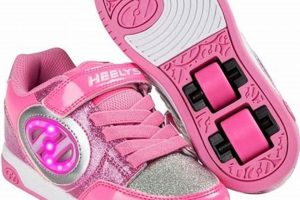
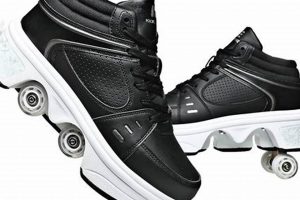
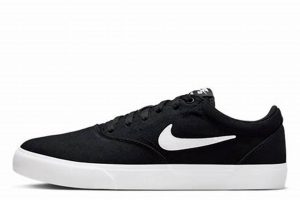
Footwear incorporating a single, removable wheel in the heel allows for a combination of walking, running, and gliding. This specialized footwear appeals to a demographic interested in recreational activities and novel forms of transportation. The shoe’s design enables the user to transition between conventional ambulation and a rolling motion by shifting weight and lifting the toes.
The appeal of this footwear stems from its ability to blend exercise with entertainment. Historically, the incorporation of wheels into shoes offered a distinct method of movement, evolving from rudimentary roller skates to integrated designs. The benefit lies in providing an accessible and engaging activity for individuals seeking a unique and mobile experience.
The following sections will detail specific aspects of this specialized footwear, including design variations, safety considerations, and usage guidelines.
Guidance on Footwear with Integrated Wheels
The following provides useful guidance for users of footwear designed with integrated, removable wheels in the heels. Adherence to these suggestions can enhance the user experience and mitigate potential risks.
Tip 1: Prioritize protective gear. Helmets, knee pads, elbow pads, and wrist guards are essential for minimizing injury risk during initial use and more advanced maneuvers.
Tip 2: Begin practicing in a controlled environment. A smooth, flat surface, free from obstacles and pedestrian traffic, is recommended for developing fundamental skills.
Tip 3: Master the heel-toe transition. The ability to seamlessly shift between walking and rolling modes is crucial for safe and efficient operation of the footwear. Practice lifting the toes to engage the wheel and lowering the heel for walking.
Tip 4: Maintain a balanced posture. A slightly forward lean and bent knees provide stability and control while rolling. Avoid leaning too far back, which can lead to loss of balance.
Tip 5: Practice braking techniques. Learn to slow down or stop by dragging one foot or using controlled heel pressure. Familiarize oneself with different braking methods to adapt to varied surfaces and speeds.
Tip 6: Inspect the footwear regularly. Before each use, verify the wheel is securely attached and free from debris. Check the shoe for any signs of wear or damage that may compromise performance or safety.
Tip 7: Be aware of surroundings. Pay attention to the environment, including pedestrian traffic, obstacles, and surface conditions. Avoid using this footwear in crowded areas or on uneven terrain.
By incorporating these guidelines, users can maximize enjoyment and minimize potential hazards associated with footwear utilizing integrated wheels. Consistent practice and attention to safety are paramount for responsible use.
The following sections will further expand on the technical aspects and maintenance of this specialized footwear.
1. Wheel integration mechanism

The wheel integration mechanism within footwear equipped with integrated wheels represents a critical design element directly impacting performance, durability, and safety. This mechanism typically involves a recessed cavity in the heel designed to securely house a single, removable wheel. The precision of this integration is paramount; inadequate tolerances can lead to wheel instability, impacting control and potentially causing accidents. A robust locking or retention system is necessary to prevent unintended wheel dislodgement during use, which could result in sudden loss of balance. For example, some designs utilize a spring-loaded button or lever system to lock the wheel in place, requiring deliberate action to remove it. The materials employed in the mechanism’s construction must withstand repeated stress and impact, necessitating durable polymers or metal alloys.
The sophistication of the wheel integration extends beyond simple attachment. Bearing systems within the wheel housing contribute significantly to the smoothness and efficiency of the rolling motion. High-quality bearings reduce friction, enabling greater speed and glide distance with each push. Furthermore, the design of the recess and surrounding heel structure influences weight distribution and overall comfort. A well-engineered mechanism integrates seamlessly with the shoe’s midsole and outsole, providing adequate cushioning and support while maintaining structural integrity. The ease of wheel removal and re-insertion also factors into the user experience; a cumbersome or unreliable mechanism can deter frequent use. Some manufacturers offer interchangeable wheel options with varying hardness and size, allowing users to customize the rolling characteristics to suit different surfaces and skill levels.
In summary, the wheel integration mechanism is not merely an accessory but an integral component directly influencing the functionality and safety of footwear with integrated wheels. A poorly designed or constructed mechanism compromises performance and increases the risk of injury. Conversely, a well-engineered system enhances the user experience, promoting controlled movement, durability, and overall satisfaction. Further advancements in materials and design will likely focus on improving integration efficiency, reducing weight, and enhancing the overall robustness of this crucial element.
2. Footwear structural integrity
The structural integrity of footwear employing integrated wheels is paramount due to the unique stresses imposed by the rolling functionality. Unlike conventional shoes, these designs must withstand not only the usual forces of walking and running but also the concentrated impact and torsional forces generated during rolling and maneuvering. Compromised structural integrity can lead to premature failure of the shoe, increasing the risk of injury to the user. For instance, a weakened sole or compromised upper could separate from the frame during use, resulting in a fall or other mishap. The integration point of the wheel mechanism into the heel creates a potential stress concentration area, making robust reinforcement in this region essential. The choice of materials, construction techniques, and design features significantly influences the overall structural resilience of the footwear.
Consider the consequences of inadequate structural design. A poorly reinforced heel cavity could deform under repeated stress, leading to wheel instability and reduced control. Similarly, a weak shank, the supportive structure between the heel and forefoot, could buckle, compromising the shoe’s ability to provide adequate support and stability. Manufacturers often employ reinforced stitching, durable adhesives, and specialized materials, such as high-density polymers and composite materials, to enhance the structural integrity of these critical areas. Rigorous testing protocols, including simulated use and stress testing, are essential for validating the structural performance of the footwear and ensuring it meets safety standards. These tests assess the shoe’s ability to withstand repeated impacts, torsional forces, and prolonged use without compromising its structural integrity.
In summary, the structural integrity of footwear with integrated wheels directly impacts safety, performance, and longevity. Robust design, high-quality materials, and rigorous testing are essential for mitigating the risks associated with the unique stresses imposed by the rolling functionality. Maintaining the shoe’s structural integrity is not only a matter of product quality but also a fundamental aspect of user safety and responsible manufacturing. Further research and development in materials science and engineering will continue to improve the structural resilience of these designs, contributing to safer and more enjoyable user experiences.
3. Rolling surface compatibility
Rolling surface compatibility significantly influences the performance and safety of footwear with integrated wheels. The interaction between the wheel material and the surface texture dictates the level of grip, speed, and control achievable, impacting the user’s experience and safety. Different surfaces present varying degrees of friction and resistance, necessitating consideration of the wheel’s composition and design for optimal performance.
- Surface Texture and Friction
Surface texture dictates the amount of friction generated during rolling. Smooth surfaces, such as polished concrete or hardwood floors, offer minimal resistance, facilitating higher speeds and longer glide distances. Conversely, rough surfaces like asphalt or textured concrete increase friction, reducing speed and requiring more effort to maintain momentum. The wheel material’s hardness influences its ability to grip different textures; softer wheels provide better grip on rough surfaces but may wear down more quickly, while harder wheels offer less grip but greater durability on smooth surfaces. This dynamic directly impacts the control and maneuverability achievable. For instance, attempting advanced maneuvers on a low-friction surface with hard wheels increases the risk of slippage and loss of balance.
- Surface Cleanliness and Obstructions
Cleanliness of the rolling surface impacts wheel performance and longevity. Debris such as dirt, gravel, or small objects can become lodged in the wheel bearings, reducing efficiency and potentially causing damage. Furthermore, obstructions like cracks, potholes, or uneven pavement pose a safety hazard, potentially causing the user to stumble or lose control. Regular maintenance of the footwear, including cleaning the wheels and bearings, is essential for optimal performance and safety. Choosing appropriate environments, such as skate parks or smooth, well-maintained surfaces, minimizes the risk of encountering obstructions and debris.
- Surface Material and Wheel Wear
The composition of the rolling surface affects the rate of wheel wear. Abrasive surfaces, such as asphalt, cause faster wear compared to smoother surfaces like polished concrete. The wheel material’s resilience and hardness determine its resistance to abrasion. Polyurethane wheels, commonly used, offer a balance of grip and durability, but softer compounds wear down more quickly on abrasive surfaces. Monitoring wheel wear and replacing them when necessary is crucial for maintaining optimal performance and safety. Worn wheels offer reduced grip and control, increasing the risk of slippage and accidents. Selecting appropriate wheel durometer (hardness) based on the typical rolling environment can extend the lifespan of the wheels and optimize performance.
- Environmental Conditions
Environmental conditions, such as temperature and moisture, can influence rolling surface compatibility. Extreme temperatures can affect the wheel material’s properties, potentially reducing grip or increasing wear. Wet surfaces significantly reduce traction, increasing the risk of slippage and loss of control. Using footwear with integrated wheels in wet conditions is generally discouraged due to the increased safety risks. Furthermore, variations in surface temperature can affect the wheel’s rolling resistance, influencing speed and glide characteristics. Understanding these environmental factors is crucial for making informed decisions about when and where to use this footwear.
Therefore, rolling surface compatibility is a multifaceted consideration when utilizing footwear with integrated wheels. Factors such as surface texture, cleanliness, material composition, and environmental conditions all contribute to the overall performance, safety, and longevity of the footwear. A comprehensive understanding of these factors enables users to select appropriate environments, maintain their equipment effectively, and operate this footwear safely and responsibly.
4. User balance proficiency

Proficient user balance is inextricably linked to the safe and effective utilization of footwear incorporating integrated wheels. These shoes, by design, introduce an element of instability absent in conventional footwear. A user’s inherent or developed sense of balance dictates their ability to control the rolling motion, maintain equilibrium, and prevent falls. Inadequate balance skills increase the risk of injury, especially during initial use or while attempting more complex maneuvers. The physics of motion inherent in these shoes necessitates constant adjustments to maintain stability. For instance, shifting weight forward and backward, or laterally, directly influences the direction and speed of movement. A user with limited balance control may struggle to initiate movement smoothly, stop effectively, or navigate uneven surfaces safely.
Real-world examples underscore the importance of balance. Consider a novice attempting to use footwear with integrated wheels without prior experience in related activities, such as skating or snowboarding. This individual may exhibit an unsteady gait, difficulty maintaining a straight line, and an increased propensity to stumble. Conversely, an individual with a background in gymnastics or dance, disciplines that cultivate exceptional balance, typically demonstrates a greater aptitude for mastering the use of these shoes quickly and safely. Furthermore, the design of the footwear itself can influence balance requirements. Shoes with larger wheels or a higher center of gravity demand greater balance control than those with smaller wheels and a lower profile. Manufacturers often recommend starting with smaller wheels and progressing to larger ones as balance skills improve. Balance training exercises, such as standing on one leg or using a balance board, can enhance user proficiency and reduce the risk of injury.
In summary, user balance proficiency is not merely a desirable attribute but a prerequisite for the safe and enjoyable use of footwear with integrated wheels. Inadequate balance skills increase the risk of accidents and limit the user’s ability to exploit the full potential of the design. While the shoes themselves offer a unique form of mobility, their safe and effective operation hinges on the user’s capacity to maintain equilibrium and control their movement. Further research into balance training techniques and shoe design modifications may contribute to enhanced safety and accessibility for a broader range of users. The responsibility rests not only on the user to develop balance skills but also on manufacturers to design footwear that promotes stability and minimizes the learning curve.
5. Safety equipment necessity

The utilization of protective gear is inextricably linked to the safe operation of footwear incorporating integrated wheels. This connection is not merely advisory; it is a direct consequence of the increased risk profile associated with the mobility afforded by the design. The potential for loss of balance and subsequent falls necessitates the consistent use of helmets, wrist guards, elbow pads, and knee pads to mitigate the severity of injuries. A helmet provides crucial protection against head trauma, while wrist guards shield against fractures common during falls. Elbow and knee pads minimize abrasions and impact injuries. The cause-and-effect relationship is clear: failure to employ safety equipment significantly elevates the likelihood of serious injury in the event of a fall. Protective gear serves as a critical component in a responsible approach to using footwear with integrated wheels.
Consider the practical significance of this understanding. Emergency room statistics consistently demonstrate a correlation between the use of footwear with integrated wheels and injuries, particularly among younger users. These injuries range from minor abrasions to severe fractures and head trauma. However, studies also reveal a substantial reduction in the severity of these injuries when appropriate protective gear is used. For example, a fractured wrist, a common injury, can often be prevented with a properly fitted wrist guard. Similarly, head injuries, the most serious potential consequence, can be significantly reduced in severity by wearing a helmet. The economic impact of these injuries, including medical expenses and lost productivity, further underscores the importance of prioritizing safety through the use of protective equipment. Furthermore, responsible manufacturers and retailers actively promote the use of safety equipment, recognizing their ethical obligation to mitigate the inherent risks associated with their products.
In summary, the necessity of safety equipment is a non-negotiable aspect of operating footwear with integrated wheels responsibly. Protective gear is not merely an optional accessory; it is a critical line of defense against potential injuries. The demonstrable reduction in injury severity when safety equipment is used, coupled with the economic and ethical considerations, reinforces the imperative of prioritizing safety. Challenges remain in promoting consistent safety equipment use, particularly among demographics prone to risk-taking behavior. However, continued education, product innovation, and regulatory oversight can contribute to a culture of safety that minimizes the inherent risks associated with this unique form of mobility.
Frequently Asked Questions
The following addresses common inquiries regarding footwear equipped with integrated, removable wheels. The information presented aims to provide clarity and promote responsible use.
Question 1: What is the learning curve associated with operating footwear incorporating integrated wheels?
The learning curve varies significantly depending on the user’s prior experience with balance-related activities such as skating, snowboarding, or gymnastics. Individuals with limited prior experience may require a more extended period of practice to develop adequate balance and control. Starting in a controlled environment and utilizing protective gear is strongly recommended.
Question 2: Are footwear with integrated wheels suitable for all age groups?
While there is no strict age limit, suitability depends on the individual’s physical coordination, balance, and judgment. Younger children, particularly those with underdeveloped motor skills, may face a higher risk of injury. Parental supervision and guidance are essential for children using this type of footwear.
Question 3: What types of surfaces are appropriate for using footwear with integrated wheels?
Smooth, flat surfaces free from obstacles and pedestrian traffic are ideal. Polished concrete, hardwood floors, and designated skate parks are suitable environments. Rough surfaces, such as asphalt or gravel, increase friction and reduce control. Wet or uneven surfaces should be avoided.
Question 4: How should the wheels and bearings be maintained?
Regular cleaning is essential for maintaining optimal performance. Debris such as dirt and grit should be removed from the wheels and bearings periodically. Lubricating the bearings with appropriate lubricants can improve rolling efficiency. Worn wheels should be replaced promptly to ensure adequate grip and control.
Question 5: What are the common causes of injuries associated with footwear incorporating integrated wheels?
Loss of balance, collisions with obstacles or pedestrians, and inadequate use of protective gear are common causes of injuries. Falls are the most frequent type of incident, often resulting in wrist fractures, ankle sprains, and head trauma. Operating the footwear in inappropriate environments, such as crowded areas or on uneven surfaces, also increases the risk of injury.
Question 6: Are there any legal restrictions on the use of footwear with integrated wheels in public spaces?
Regulations vary depending on local jurisdictions. Some municipalities may restrict the use of this type of footwear in certain areas, such as sidewalks, shopping malls, or public transportation facilities. Users are advised to familiarize themselves with local regulations to ensure compliance.
In summary, responsible use of footwear with integrated wheels requires a comprehensive understanding of the associated risks and appropriate safety precautions. Consistent adherence to these guidelines can minimize the potential for injury and promote a safe and enjoyable experience.
The following section will delve into advanced techniques and considerations for experienced users.
Conclusion
This exploration of “heelys skate shoes” has emphasized critical aspects: the interplay between wheel integration mechanisms, structural integrity, rolling surface compatibility, user balance proficiency, and the absolute necessity of safety equipment. These elements coalesce to determine the user experience and inherent safety profile of the footwear. Neglecting any of these facets compromises performance and elevates risk. Understanding and addressing each aspect represents a prerequisite for responsible design, manufacturing, and utilization.
The ongoing evolution of design and materials promises further enhancements in both safety and performance. However, technological advancements alone cannot supplant the user’s responsibility to prioritize safe practices and exercise sound judgment. The future viability of “heelys skate shoes” as a legitimate form of recreation hinges upon a collective commitment to responsible innovation and informed use.