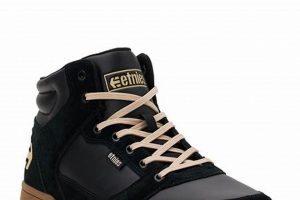
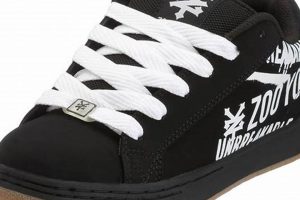
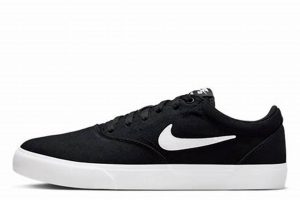
Footwear designed specifically for skateboarding activities often incorporates features that cater to the unique demands of the sport. These shoes typically exhibit durable construction, reinforced stitching, and specialized outsoles to provide enhanced grip and board feel. For example, many models feature vulcanized rubber soles for increased flexibility and responsiveness.
The advantages of using purpose-built skateboarding shoes include improved performance, enhanced safety, and increased longevity compared to standard athletic footwear. Their design helps protect the feet from impact and abrasion, while also offering the necessary support and control for executing tricks. The development of this type of specialized footwear has significantly contributed to the progression of skateboarding culture and athletic achievement.
The following sections will delve into specific aspects of skateboarding footwear design, material science applied in their construction, and how these elements contribute to overall skater performance and safety. This examination will explore the technical specifications and performance characteristics that define quality skateboarding footwear.
Essential Considerations for Skateboarding Footwear Selection
The selection of appropriate footwear significantly impacts skateboarding performance and safety. Prioritizing specific design elements and construction features ensures optimal board feel, grip, and protection.
Tip 1: Prioritize Durable Construction: Seek out reinforced stitching, particularly in high-wear areas such as the toe and ollie patch, to withstand the abrasive nature of skateboarding. Examples include double or triple stitching using heavy-duty thread.
Tip 2: Evaluate Sole Composition: Vulcanized rubber soles offer enhanced flexibility and board feel, while cupsole constructions provide increased impact protection. Consider the specific skateboarding style and typical terrain when making this choice.
Tip 3: Assess Ankle Support: High-top designs offer greater ankle stability, reducing the risk of sprains and injuries, especially during technical maneuvers. Low-top styles provide increased freedom of movement but less support.
Tip 4: Inspect Insole Cushioning: Adequate insole cushioning absorbs impact forces, reducing stress on the feet and joints. Ortholite or similar high-performance insoles offer enhanced comfort and support.
Tip 5: Consider Material Breathability: Breathable materials, such as canvas or perforated leather, help regulate temperature and prevent moisture buildup, enhancing comfort during extended skateboarding sessions.
Tip 6: Verify Outsole Tread Pattern: A well-defined tread pattern provides optimal grip on the skateboard deck, improving control and stability. Herringbone or similar patterns are commonly used in skateboarding footwear.
Tip 7: Examine Tongue and Collar Padding: Sufficient padding in the tongue and collar areas enhances comfort and prevents chafing, especially when lacing shoes tightly for a secure fit.
Adhering to these guidelines optimizes both performance and safety, reducing the risk of injuries while maximizing board feel and control. Thoughtful consideration of these elements ensures the selected footwear meets the specific demands of skateboarding.
The subsequent sections will further explore the technological advancements in skateboarding footwear, examining how these innovations enhance performance and contribute to the overall skateboarding experience.
1. Durability and Construction
The longevity and performance of skate shoes are intrinsically linked to their inherent durability and construction methods. These factors dictate the footwear’s capacity to withstand the high-impact, abrasive demands of skateboarding, influencing both safety and long-term cost-effectiveness.
- Reinforced Stitching Techniques
Multiple rows of stitching, employing high-tensile-strength threads, are strategically applied to reinforce areas prone to stress and abrasion, such as the ollie patch and toe cap. Double or triple stitching minimizes seam separation, extending the shoe’s lifespan. For example, the use of a specific lockstitch pattern is crucial in resisting unraveling, even under extreme conditions.
- Material Selection and Integration
The choice of materials, including leather, suede, canvas, or synthetic alternatives, directly impacts overall durability. Higher-grade leathers offer greater abrasion resistance, while tightly woven canvas provides structural integrity. The integration of these materials, often through layering and strategic reinforcement, is critical. A composite construction, combining leather overlays with a breathable mesh lining, balances durability and comfort.
- Sole Attachment Methods
The method of attaching the sole to the upper significantly affects the shoe’s structural integrity. Vulcanized construction, where the sole is chemically bonded to the upper under heat and pressure, creates a durable, flexible bond. Conversely, cupsole construction, where the upper is stitched and glued to a pre-molded sole unit, offers enhanced impact protection. The selection of either method dictates the shoe’s responsiveness and durability profile.
- Internal Reinforcement Structures
Internal components, such as reinforced heel counters and toe boxes, provide structural support and impact resistance. A molded polyurethane (PU) heel counter stabilizes the foot during landings, while a reinforced toe box protects against abrasion and impact from board contact. These internal structures are integral to maintaining the shoe’s shape and protecting the skater’s foot.
The interplay of reinforced stitching, strategic material selection, robust sole attachment techniques, and internal reinforcement structures collectively defines the durability and construction quality of these skate shoes. These elements, when properly executed, yield footwear capable of withstanding the rigors of skateboarding, providing both performance and longevity.
2. Sole Grip Composition

The sole grip composition is a critical determinant of skateboarding shoe performance, directly influencing board control and skater safety. In the context of DVS skate shoes, this aspect warrants meticulous examination due to its fundamental role in providing traction. The rubber compound, tread pattern, and overall sole design collectively dictate the grip’s effectiveness, impacting a skater’s ability to execute maneuvers and maintain stability. A high-quality rubber compound, formulated for maximum friction, is essential. The tread pattern, often featuring variations of herringbone or geometric designs, creates channels for water and debris displacement, enhancing grip in diverse conditions. A poorly designed sole can lead to slippage, increasing the risk of falls and injuries, while an optimized composition provides a secure connection between the shoe and skateboard.
Specific examples illustrate the practical significance of sole grip. Consider the vulcanized rubber soles commonly found in DVS models. The vulcanization process enhances the rubber’s durability and flexibility, contributing to a superior grip that adapts to the concave shape of the board. Furthermore, the depth and spacing of the tread patterns influence the grip’s effectiveness on different surfaces smooth concrete versus rough asphalt. The choice of sole construction also impacts grip sensitivity; a thinner sole provides greater board feel, allowing for more precise control, while a thicker sole offers increased impact protection, potentially sacrificing some grip sensitivity. The integration of these elements contributes to a balanced performance profile.
In summary, the sole grip composition represents a critical feature in DVS skate shoes, directly impacting a skater’s performance and safety. Understanding the influence of rubber compounds, tread patterns, and sole construction is essential for selecting footwear that aligns with individual skateboarding styles and environmental conditions. The ongoing development of advanced rubber formulations and tread designs represents an ongoing effort to optimize grip performance, ensuring skaters maintain control and stability. The challenges involve balancing grip, durability, and board feel, requiring continuous innovation and testing.
3. Impact Protection System
The Impact Protection System is a crucial element in skateboarding footwear, significantly influencing the safety and performance of the skater. In the context of DVS skate shoes, this system refers to the integrated technologies and design features aimed at mitigating the force of impacts experienced during skateboarding activities. Its effectiveness is directly related to the reduction of injuries and the enhancement of comfort during high-impact maneuvers.
- Cushioning Materials
The incorporation of specialized cushioning materials, such as polyurethane (PU) or ethylene-vinyl acetate (EVA) foams, within the midsole is a primary component. These materials possess shock-absorbing properties, dissipating impact energy and reducing stress on the feet, ankles, and joints. For example, a DVS shoe might employ a multi-density PU midsole, where different densities of foam are strategically placed to provide targeted cushioning in high-impact areas. The efficacy of these materials is often measured by their ability to rebound after compression, maintaining their cushioning properties over time.
- Insole Design and Composition
The insole contributes significantly to the overall impact protection system. High-performance insoles, often constructed from materials like Ortholite or memory foam, offer enhanced cushioning and support. These insoles conform to the contours of the foot, distributing pressure evenly and reducing localized stress points. In DVS skate shoes, insoles may feature additional heel pads or arch supports to provide further impact absorption and stability. The breathability of the insole material is also crucial, as it helps regulate moisture and prevent discomfort during prolonged use.
- Outsole Construction and Material Properties
The outsole, while primarily responsible for grip, also plays a role in impact protection. The thickness and composition of the outsole affect its ability to absorb impact forces. Thicker outsoles, often made from durable rubber compounds, provide greater impact absorption but may reduce board feel. DVS skate shoes may incorporate specialized outsole designs that feature segmented patterns or strategically placed grooves to enhance flexibility and cushioning. The durometer, or hardness, of the rubber also influences its impact-absorbing properties.
- Internal Support Structures
Internal support structures, such as reinforced heel counters and toe boxes, contribute to the overall stability and impact protection of the shoe. These structures help maintain the shoe’s shape and prevent excessive foot movement during impact. A molded heel counter, for example, provides lateral support and reduces the risk of ankle sprains. In DVS models, these internal structures are often integrated seamlessly into the shoe’s design, providing a secure and comfortable fit while enhancing impact protection.
The impact protection system in DVS skate shoes represents a holistic approach to mitigating the forces experienced during skateboarding. The combination of cushioning materials, insole design, outsole construction, and internal support structures contributes to a shoe that is both comfortable and protective. The ongoing development of new materials and design technologies continues to improve the effectiveness of impact protection systems, enhancing skater safety and performance. Comparing different DVS models reveals variations in the specific technologies employed, allowing skaters to choose footwear that aligns with their individual needs and skateboarding styles.
4. Ankle Support Design

Ankle support design, an integral component of skateboarding footwear, significantly influences skater stability and injury prevention. DVS skate shoes incorporate varying ankle support designs to cater to diverse skateboarding styles and preferences. The specific construction of the collar, the height of the shoe, and the integration of supportive materials all contribute to the level of ankle support provided. Higher collars, extending above the ankle joint, offer greater stability, reducing the risk of sprains and strains during landings and aggressive maneuvers. Conversely, lower-cut designs prioritize flexibility and range of motion, which may be preferred by skaters emphasizing technical flat ground tricks. The effectiveness of a given design is measurable in its ability to restrict excessive ankle movement while maintaining comfort and board feel. Materials utilized in the ankle collar, such as padded foams or reinforced textiles, further contribute to both support and comfort. The choice of ankle support design within DVS skate shoes, therefore, represents a crucial consideration for skaters seeking to balance performance and protection. Improper ankle support can lead to chronic instability and increased susceptibility to acute injuries.
A comparative analysis of different DVS models illustrates the practical implications of varying ankle support designs. For instance, certain models feature a strategically placed internal heel counter, providing enhanced rearfoot stability without compromising forefoot flexibility. Other designs incorporate an asymmetrical collar, offering greater medial support where ankle sprains are more common. The integration of these features reflects an understanding of biomechanical principles and the specific demands placed on the ankle joint during skateboarding. Furthermore, the lacing system interacts directly with the ankle support design. A well-designed lacing system allows skaters to customize the fit and adjust the level of support based on their individual needs. The practical application of this understanding is evident in the reduced incidence of ankle injuries among skaters who select footwear with appropriate ankle support features, highlighting the preventative benefits of informed selection. These choices include models for advanced skaters and models for casual wear.
In summary, ankle support design within DVS skate shoes represents a critical factor in mitigating injury risk and optimizing performance. The variation in collar height, material selection, and internal support structures allows skaters to tailor their footwear to their specific skateboarding style and biomechanical requirements. The ongoing challenge lies in balancing the need for robust ankle support with the desire for unrestricted movement and optimal board feel. Continuous advancements in material science and biomechanical analysis are essential for further refining ankle support designs, ensuring that DVS skate shoes continue to meet the evolving demands of the skateboarding community. Properly considering the design will enable a positive outcome and help you avoid ankle injuries.
5. Material Breathability Factors

Material breathability in DVS skate shoes directly influences the comfort and performance of the wearer. The ability of the shoe’s materials to allow moisture vapor to escape, while simultaneously permitting air circulation, mitigates excessive heat buildup and perspiration within the footwear. Insufficient breathability creates a microclimate conducive to bacterial growth, resulting in odor, discomfort, and potential skin irritation. Conversely, well-ventilated footwear maintains a cooler, drier environment, promoting enhanced comfort and reducing the likelihood of foot-related issues during prolonged skateboarding sessions. Therefore, the selection of breathable materials represents a crucial design consideration for DVS skate shoes, impacting user experience and overall hygiene.
Several material choices contribute to the breathability of DVS skate shoes. Canvas, a lightweight and loosely woven fabric, facilitates air circulation effectively. Perforated leather or suede, featuring small holes, allows for ventilation while retaining the durability and structure characteristic of leather materials. Mesh linings, often incorporated into the shoe’s interior, enhance airflow and wick moisture away from the foot. The strategic placement of ventilation openings, such as perforations in the toe box or side panels, further promotes breathability. In contrast, synthetic materials, while offering water resistance, often exhibit limited breathability, potentially compromising comfort in warmer conditions. The efficacy of these materials is measurable through standardized tests evaluating moisture vapor transmission rates, providing quantifiable data on breathability performance.
In summary, material breathability represents a significant factor influencing the comfort, hygiene, and overall performance of DVS skate shoes. The strategic selection and integration of breathable materials, such as canvas, perforated leather, and mesh linings, promote air circulation and moisture management, mitigating discomfort and reducing the risk of foot-related issues. The ongoing development of advanced breathable materials and ventilation technologies represents a continuous effort to optimize comfort and performance, ensuring that DVS skate shoes meet the demands of skateboarding activity. The challenges involve balancing breathability with durability and water resistance, requiring innovative material combinations and design solutions.
6. Style and Aesthetics

Style and aesthetics constitute a crucial element in the perception and adoption of skateboarding footwear. DVS skate shoes, like other brands within the skateboarding market, recognize the significance of visual appeal in influencing consumer choice. The design of these shoes extends beyond mere functionality, encompassing stylistic cues derived from skateboarding culture, fashion trends, and individual expression. Color palettes, logo placement, and silhouette design contribute significantly to the overall aesthetic, shaping the consumer’s perception of the brand and its alignment with their personal style. The practical effect is that aesthetically pleasing models frequently experience higher sales volume, demonstrating a direct correlation between visual appeal and market success. Conversely, functionally superior designs lacking aesthetic appeal may encounter limited consumer interest. Examples include collaborations with artists or skaters to create limited-edition designs, driving both sales and brand awareness. The real-world importance lies in recognizing that skateboarding shoes are not simply tools for a sport; they are also fashion statements reflecting individual identity.
The evolution of style and aesthetics in skateboarding footwear also reflects the changing dynamics within the skateboarding community. Vintage-inspired designs have experienced a resurgence in popularity, coexisting alongside more modern, technologically advanced silhouettes. This diversification caters to a wider range of consumer preferences, acknowledging the diverse subcultures within skateboarding. Material choices, such as suede, canvas, or leather, further contribute to the aesthetic appeal, each material offering a distinct visual texture and perceived level of quality. The practical application of this understanding lies in the ability of brands to tailor their product offerings to specific target demographics. For instance, models featuring minimalist designs and neutral color schemes may appeal to skaters seeking a more understated aesthetic, while those incorporating bold graphics and vibrant colors target a younger, more expressive audience. The balance between performance features and aesthetic design necessitates careful consideration of market trends and consumer feedback.
In summary, style and aesthetics are not merely superficial considerations but integral components of DVS skate shoes, influencing consumer perception, brand identity, and market performance. The ongoing challenge lies in maintaining a balance between functional requirements and aesthetic appeal, aligning with the evolving tastes and preferences of the skateboarding community. Brands that successfully navigate this complex interplay are more likely to achieve sustained success in a competitive market, recognizing that visual appeal is as crucial as performance when it comes to skateboarding footwear.
7. Skateboarding Performance

Skateboarding performance is directly and measurably influenced by footwear design, and DVS skate shoes represent a specific instantiation of this relationship. The construction, materials, and features integrated into DVS shoes are intended to enhance board feel, grip, impact absorption, and support, all of which are critical factors in executing skateboarding maneuvers effectively. Poorly designed footwear can impede performance, leading to decreased control, increased risk of injury, and diminished ability to perform complex tricks. Conversely, optimized footwear can contribute to improved skill execution, enhanced stability, and greater overall confidence. The selection of appropriate footwear, therefore, is not merely a matter of preference but a determinant of athletic capability. For example, a DVS shoe with a vulcanized sole provides a flexible, responsive connection to the board, enabling a skater to feel subtle changes in terrain and adjust their movements accordingly. This enhanced board feel translates to improved control during grinds and slides, as well as greater precision during flip tricks.
Real-life examples demonstrate the practical significance of this connection. Professional skateboarders often endorse specific footwear models due to the performance advantages they offer. These endorsements are based on extensive testing and feedback, highlighting the quantifiable impact of footwear design on athletic achievement. Moreover, amateur skaters frequently cite improved performance as a primary reason for upgrading to purpose-built skateboarding shoes. This feedback reflects the understanding that footwear is an integral component of skateboarding equipment, akin to the board itself. The implementation of advanced technologies, such as impact-absorbing insoles or reinforced stitching in high-wear areas, further illustrates the commitment of DVS and other brands to enhancing skateboarding performance. These features are designed to withstand the rigors of skateboarding, providing long-lasting support and protection. The impact of this focus is visible in the consistency of performance exhibited by skaters who utilize high-quality footwear.
In summary, the connection between skateboarding performance and DVS skate shoes is multifaceted and demonstrable. The features and construction of these shoes are specifically engineered to enhance board feel, grip, impact absorption, and support, all of which directly influence a skater’s ability to perform effectively and safely. The challenges lie in balancing these performance-enhancing features with durability, comfort, and aesthetic appeal, ensuring that the footwear meets the diverse needs of the skateboarding community. Recognizing this intricate relationship is essential for both skaters seeking to improve their skills and manufacturers striving to create innovative, performance-driven footwear.
Frequently Asked Questions about DVS Skate Shoes
This section addresses common inquiries concerning the design, performance, and maintenance of DVS skate shoes, providing detailed information for informed decision-making.
Question 1: What distinguishes DVS skate shoes from general athletic footwear?
DVS skate shoes are specifically engineered to withstand the rigors of skateboarding. Key distinctions include reinforced stitching in high-abrasion areas, specialized rubber compounds for enhanced grip, and impact-absorbing midsoles to protect against repetitive stress. General athletic footwear lacks these sport-specific design features.
Question 2: How does sole construction influence skateboarding performance?
DVS skate shoes typically employ either vulcanized or cupsole construction. Vulcanized soles offer superior board feel and flexibility, while cupsole designs provide enhanced impact protection and durability. The choice depends on the individual skater’s preferences and style.
Question 3: What materials are commonly used in DVS skate shoe construction, and what are their respective benefits?
DVS skate shoes frequently utilize leather, suede, canvas, and synthetic materials. Leather offers durability and abrasion resistance, suede provides enhanced board feel, canvas promotes breathability, and synthetics offer water resistance and reduced weight. The optimal material selection depends on the intended use and desired performance characteristics.
Question 4: How should DVS skate shoes be properly maintained to maximize their lifespan?
Regular cleaning with a soft brush and mild detergent is recommended. Avoid prolonged exposure to moisture and extreme temperatures. Allow shoes to air dry naturally after use. Consider using shoe trees to maintain shape and prevent creasing. Promptly address any damage to stitching or sole adhesion to prevent further deterioration.
Question 5: Are DVS skate shoes suitable for activities other than skateboarding?
While designed primarily for skateboarding, DVS skate shoes may be suitable for other activities requiring durable footwear with good grip. However, their specific design features may not be optimal for activities such as running or basketball. Consider the specific demands of each activity when selecting footwear.
Question 6: Where can authentic DVS skate shoes be purchased?
Authentic DVS skate shoes are available through authorized retailers, reputable online vendors, and the official DVS website. Purchasing from unauthorized sources increases the risk of acquiring counterfeit or substandard products. Verify the authenticity of the seller before making a purchase.
DVS skate shoes represent a fusion of design and functionality, addressing the specific requirements of the sport while incorporating stylistic elements. Understanding the nuances of their construction and maintenance will maximize their performance and longevity.
The subsequent section will provide an overview of competitor brands and their respective product offerings, enabling a comprehensive market comparison.
DVS Skate Shoes
This examination has explored the multifaceted aspects of skateboarding footwear, with a particular focus on DVS skate shoes. Key considerations, including durability, sole grip composition, impact protection, ankle support, material breathability, style, and performance enhancement, were analyzed to provide a comprehensive understanding of these specialized shoes. The interplay of these factors significantly impacts the skater’s safety, comfort, and ability to execute maneuvers effectively.
The information presented serves as a guide for informed decision-making when selecting skateboarding footwear. Continued innovation in materials and design will undoubtedly shape the future of DVS skate shoes and the broader skateboarding industry. Understanding the technical specifications and performance characteristics remains crucial for skaters seeking to optimize their skills and minimize injury risks.