![Top Picks: What Are The Best Skate Shoes? [2024 Guide]](data:image/svg+xml;base64,PHN2ZyB4bWxucz0iaHR0cDovL3d3dy53My5vcmcvMjAwMC9zdmciIHdpZHRoPSI0NzQiIGhlaWdodD0iNTYiIHZpZXdCb3g9IjAgMCA0NzQgNTYiPjxyZWN0IHdpZHRoPSIxMDAlIiBoZWlnaHQ9IjEwMCUiIHN0eWxlPSJmaWxsOiNjZmQ0ZGI7ZmlsbC1vcGFjaXR5OiAwLjE7Ii8+PC9zdmc+ "Top Picks: What Are The Best Skate Shoes? [2024 Guide] Learn to Surf & Skate: A Beginner's Step-by-Step Guide")
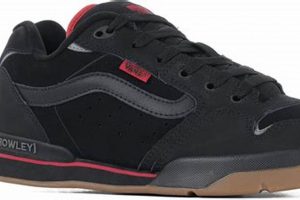
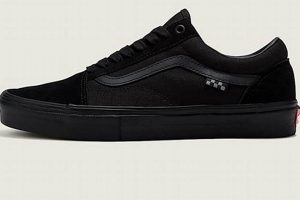
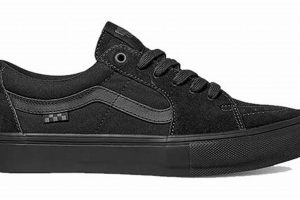
The selection of footwear designed specifically for skateboarding significantly influences both performance and safety. This category of athletic shoe incorporates features such as reinforced construction, durable materials, and specialized outsoles engineered to withstand the rigorous demands of skateboarding activities. These attributes contribute to enhanced board feel, grip, and impact absorption. An example would be a shoe constructed with suede or canvas uppers, featuring double stitching in high-wear areas, and possessing a vulcanized rubber sole.
Optimal footwear for skateboarding offers several advantages. Improved board control allows skaters to execute tricks with greater precision. Enhanced durability extends the lifespan of the shoe, reducing the frequency of replacement. Adequate impact protection minimizes the risk of injuries to the feet and ankles. Historically, advancements in skateboarding footwear have mirrored the evolution of the sport itself, with innovations in materials and design driven by the needs of skaters seeking to push performance limits.
Evaluating the suitability of footwear for skateboarding involves considering factors such as upper material, sole construction, cushioning technology, and overall fit. Further analysis will explore these elements in detail, providing a framework for informed decision-making when selecting appropriate footwear.
Selection Guidance
The following provides a framework for informed selection. Prioritize features that align with individual skateboarding styles and performance requirements.
Tip 1: Prioritize Durable Upper Materials: Footwear with suede or leather uppers offers greater resistance to abrasion compared to canvas. Reinforcements in high-wear zones, such as the toe and ollie area, are essential for longevity.
Tip 2: Evaluate Sole Construction: Vulcanized soles are common due to their flexibility and board feel. Cupsole construction provides enhanced impact protection and stability, suitable for skaters engaging in high-impact activities.
Tip 3: Assess Cushioning Technologies: Insoles with integrated cushioning, such as polyurethane or EVA foam, can mitigate impact forces and improve comfort. Thicker insoles offer greater shock absorption, beneficial for landing tricks.
Tip 4: Consider Outsole Tread Patterns: Herringbone or geometric tread patterns enhance grip and board control. Softer rubber compounds generally provide superior traction on skateboarding surfaces.
Tip 5: Ensure Proper Fit and Support: Footwear should fit snugly without being restrictive. Adequate arch support and ankle padding contribute to stability and reduce the risk of injury.
Tip 6: Inspect Stitching Quality: Double or triple stitching in critical areas, such as the seams connecting the upper to the sole, indicates a higher level of durability.
Tip 7: Research Brand Reputation and Reviews: Established skateboarding footwear brands often have a track record of producing high-quality products. Customer reviews can provide valuable insights into the performance and durability of specific models.
Careful consideration of these factors contributes to the selection of footwear that enhances both performance and safety during skateboarding activities. Durability, comfort, and board feel are paramount.
The subsequent sections will delve into specific brands and models within the realm, providing a comprehensive guide.
1. Durability of Materials

The lifespan of skateboarding footwear is intrinsically linked to the materials used in its construction. The demanding nature of skateboarding subjects shoes to significant abrasion, impact, and stress. Consequently, material selection plays a crucial role in determining whether shoes are suitable for skateboarding activity.
- Upper Material Composition
The upper portion of the shoe experiences constant friction against the skateboard and surrounding surfaces. Suede, leather, and reinforced canvas are commonly used due to their inherent abrasion resistance. The density and weave of these materials directly impact their ability to withstand repeated contact with grip tape and other abrasive elements. Thicker materials and tighter weaves generally offer greater durability.
- Stitching and Seam Reinforcement
The points at which different material sections are joined are particularly vulnerable to failure. Double or triple stitching, along with the use of high-tensile-strength thread, significantly increases the integrity of seams. Reinforced seams prevent separation and tearing, especially in high-stress areas such as the toe and ollie patch. The absence of adequate stitching reinforcement drastically reduces the shoe’s longevity.
- Sole Construction Materials
The sole unit, which typically comprises the outsole, midsole, and insole, is subject to constant impact and pressure. Outsoles made from durable rubber compounds are essential for withstanding abrasion and providing grip. Midsole materials, such as polyurethane or EVA foam, offer cushioning and shock absorption. The quality and density of these materials affect their ability to maintain integrity over time and prevent premature wear.
- Internal Reinforcements and Linings
Internal components, such as heel counters and toe caps, provide structural support and protection. Durable linings prevent internal abrasion and improve overall comfort. The use of reinforced materials in these areas enhances the shoe’s ability to maintain its shape and resist deformation under stress. Insufficient internal reinforcement can lead to premature wear and reduced support.
The aforementioned material properties are fundamental when evaluating the overall suitability of footwear for skateboarding. Footwear incorporating durable upper materials, reinforced stitching, robust sole construction, and supportive internal components exhibit a significantly extended lifespan and enhanced performance characteristics.
2. Sole Construction Type

Sole construction is a critical determinant in the performance and durability of footwear designed for skateboarding. The method by which the sole is attached to the upper directly influences board feel, impact absorption, and overall lifespan. Two primary construction types dominate the market: vulcanized and cupsole. Vulcanized construction involves bonding the sole to the upper through heat and pressure, resulting in a flexible and lightweight shoe. This construction promotes excellent board feel, allowing for precise control and responsiveness. However, vulcanized soles typically offer less impact protection compared to cupsoles, making them better suited for flat ground skateboarding or low-impact tricks. For example, skaters who prioritize board feel and technical maneuvers often favor vulcanized construction.
Cupsole construction, conversely, features a pre-molded sole unit that is stitched or glued to the upper. This design provides enhanced cushioning and support, making it suitable for high-impact skateboarding, such as jumping stairs or performing vert tricks. The thicker sole offers greater protection against harsh landings, reducing the risk of injuries. While cupsole construction sacrifices some board feel compared to vulcanized soles, it compensates with increased stability and durability. Consider a skater who frequently tackles gaps and rails; cupsole construction provides the necessary impact absorption to withstand repeated landings.
The selection of sole construction should align with the skater’s individual style, skill level, and preferred terrain. Vulcanized soles are advantageous for skaters prioritizing board feel and flexibility, while cupsoles are more appropriate for those requiring greater impact protection and support. Understanding the characteristics of each construction type is essential for making an informed decision, optimizing performance, and prolonging the lifespan of skateboarding footwear. The ongoing challenge is to balance board feel and impact protection, leading to continuous innovation in sole construction technologies within the skateboarding industry.
3. Impact Cushioning Design

Impact cushioning design is a crucial element in the construction of skateboarding footwear. The repetitive and high-force nature of skateboarding generates substantial impact on the feet, ankles, and lower extremities. Insufficient impact absorption can lead to discomfort, fatigue, and an increased risk of injuries such as heel bruises, stress fractures, and ankle sprains. Consequently, effective impact cushioning is a primary consideration when evaluating suitability. The design should efficiently dissipate the force of landings and other high-impact maneuvers. A shoe lacking appropriate impact cushioning will transmit excessive force to the skater’s body, negatively affecting performance and increasing the potential for injury. For instance, a skater attempting a difficult trick requiring multiple repetitions will experience greater fatigue and a higher risk of injury when using footwear with inadequate cushioning compared to a shoe designed with advanced impact absorption technologies. This illustrates the direct cause-and-effect relationship between impact cushioning and the well-being of the skater.
Various materials and construction techniques contribute to effective impact cushioning in skateboarding footwear. Common materials include polyurethane (PU) foam, ethylene-vinyl acetate (EVA) foam, and specialized gel or air-based systems. PU foam typically offers superior durability and energy return compared to EVA foam. Gel and air-based systems provide targeted cushioning in specific areas, such as the heel, for enhanced impact absorption. The thickness, density, and placement of these materials directly influence the level of protection provided. Moreover, design elements such as decoupled midsoles, which allow for independent movement of the forefoot and heel, can further enhance impact absorption. For example, the incorporation of a Poron insole, a high-performance cushioning material, within a skateboarding shoe significantly reduces the impact forces experienced during landings, offering improved comfort and protection. Another illustration is the utilization of air-pocket technology within the heel to specifically address heel bruising, a common ailment among skaters.
In summary, impact cushioning design is an indispensable component for ensuring the longevity, performance, and safety of a skater. The integration of effective cushioning materials and design principles mitigates the harmful effects of repetitive impact, reduces fatigue, and minimizes the risk of injuries. A comprehensive understanding of these factors is paramount when selecting skateboarding footwear. Continuous innovation in cushioning technologies remains a critical focus for manufacturers aiming to provide the highest level of protection and performance for skateboarders.
4. Grip Tread Pattern

The configuration of the outsole, specifically the grip tread pattern, is a pivotal attribute influencing a skater’s control and board feel. Its influence directly affects performance and is a significant factor in determining overall footwear suitability. Effective tread patterns facilitate secure contact with the skateboard, enhancing responsiveness and maneuverability.
- Herringbone Pattern
The herringbone pattern, characterized by its repeating V-shaped design, is a prevalent choice in skateboarding footwear. This pattern provides multidirectional grip, enabling skaters to maintain control during turns and slides. The angled grooves offer increased surface area contact with the griptape, enhancing traction. For example, a skater performing a powerslide benefits from the herringbone pattern’s ability to provide consistent grip at varying angles, allowing for controlled deceleration.
- Geometric Patterns
Geometric patterns, encompassing a variety of shapes such as triangles, diamonds, and hexagons, are frequently employed to optimize grip and flexibility. These patterns are often strategically arranged to provide enhanced traction in key areas while allowing for natural foot movement. A shoe featuring a diamond-shaped tread pattern in the forefoot region, for instance, can provide superior grip during flip tricks, facilitating precise foot positioning and control.
- Cupsole Tread Design
Cupsole construction, which involves a separate outsole unit that is adhered to the upper, allows for greater design freedom in tread pattern implementation. Cupsole outsoles often feature deep grooves and aggressive tread patterns to maximize grip and impact absorption. Skaters who prefer cupsole construction often benefit from the enhanced cushioning and stability provided by the robust outsole design, while the strategically designed tread pattern ensures reliable board contact. A skateboarder landing a large gap would appreciate both the impact dampening and secure grip provided by the cupsole’s tread pattern.
- Vulcanized Tread Design
Vulcanized soles, known for their flexibility and board feel, typically feature simpler tread patterns. These patterns often consist of shallow grooves or a waffle-like design to provide adequate grip without compromising flexibility. The focus is on maximizing board feel and control, making vulcanized soles well-suited for technical skateboarding. A skater performing intricate flatground maneuvers would likely favor the enhanced board feel offered by a vulcanized sole with a minimal tread pattern.
The selection of an appropriate grip tread pattern necessitates careful consideration of individual skateboarding styles and preferences. The relationship between pattern design, sole construction, and intended use is critical in determining overall footwear performance and suitability for skateboarding. Ultimately, the optimal grip tread pattern contributes significantly to board feel, control, and safety, thereby influencing overall skater performance.
5. Ankle and Arch Support

Sufficient ankle and arch support are paramount considerations in skateboarding footwear design. These structural features directly influence stability, balance, and the mitigation of potential injuries during skateboarding activities. The selection of footwear lacking appropriate support mechanisms can lead to compromised performance and an increased risk of sprains, strains, and long-term musculoskeletal issues.
- Ankle Collar Height and Padding
The height of the ankle collar and the density of its padding significantly impact ankle stability. Higher collars provide increased lateral support, reducing the likelihood of ankle roll during landings or sudden movements. Adequate padding cushions the ankle against impact and friction, preventing discomfort and potential abrasions. Footwear with a minimally padded, low-cut ankle collar may offer greater freedom of movement but compromises stability, increasing the risk of injury during demanding maneuvers. Conversely, a high-top design with ample padding offers superior support and protection, albeit potentially limiting ankle mobility to some degree.
- Arch Support Insoles
The longitudinal arch of the foot requires adequate support to maintain proper alignment and distribute weight evenly. Insoles with integrated arch support counteract pronation or supination, preventing excessive strain on the plantar fascia and other supporting structures. Flat-footed individuals, for example, benefit from insoles with enhanced arch support to prevent overpronation, a condition that can lead to foot pain, ankle instability, and knee problems. Conversely, individuals with high arches may require insoles with less pronounced support to avoid discomfort and restricted movement.
- Heel Counter Stability
The heel counter, a rigid structure surrounding the heel, provides rearfoot stability and prevents excessive heel movement within the shoe. A well-designed heel counter minimizes pronation and supination, contributing to overall balance and control. Footwear with a flimsy or absent heel counter offers inadequate support, allowing the heel to shift excessively during activity. This can lead to instability and an increased risk of ankle sprains and other injuries. A firm and supportive heel counter is essential for maintaining proper alignment and stability during skateboarding.
- Material Rigidity and Construction
The overall rigidity and construction of the shoe contribute to its ability to provide ankle and arch support. Stiffer materials and reinforced construction offer greater stability and prevent excessive deformation under stress. Footwear constructed from flexible materials may offer enhanced board feel but compromises support. The optimal balance between flexibility and support depends on individual preferences and skateboarding style. However, prioritizing sufficient support is crucial for minimizing the risk of injury and maintaining proper biomechanics.
The interplay between ankle collar design, arch support insoles, heel counter stability, and overall shoe construction directly impacts the effectiveness of skateboarding footwear in providing adequate support. A comprehensive understanding of these factors is essential for selecting appropriate footwear that minimizes the risk of injury and enhances performance. Footwear that properly addresses these aspects will contribute to a skater’s confidence and reduce the potential for long-term physical ailments.
Frequently Asked Questions
The following addresses common inquiries regarding optimal footwear for skateboarding, emphasizing performance and safety considerations.
Question 1: What criteria define “best” within the context of skateboarding footwear?
The designation of “best” is multifaceted, encompassing durability, support, board feel, and impact protection. The ideal balance of these attributes depends on individual skateboarding style, skill level, and terrain preference.
Question 2: How does sole construction influence skateboarding performance?
Vulcanized soles enhance board feel and flexibility, while cupsole construction provides superior impact absorption and support. Selection should align with the skater’s needs, favoring either responsiveness or protection.
Question 3: What materials are most effective for withstanding abrasion in skateboarding footwear?
Suede, leather, and reinforced canvas offer superior abrasion resistance compared to other materials. Strategic placement of these materials in high-wear areas extends the lifespan of the shoe.
Question 4: How can impact cushioning mitigate the risk of injuries during skateboarding?
Effective impact cushioning, utilizing materials like polyurethane or EVA foam, dissipates impact forces during landings, reducing stress on joints and minimizing the potential for injuries such as heel bruises and ankle sprains.
Question 5: What role does the grip tread pattern play in maintaining board control?
Herringbone or geometric tread patterns enhance grip and traction, providing skaters with improved board control and responsiveness during turns, slides, and other maneuvers. The depth and design of the pattern influence its effectiveness.
Question 6: Why is ankle and arch support considered crucial in skateboarding footwear?
Adequate ankle and arch support promote stability, balance, and proper biomechanics. These features minimize the risk of sprains, strains, and other musculoskeletal injuries associated with the repetitive and high-impact nature of skateboarding.
The selection of appropriate footwear requires a thorough understanding of these factors. Prioritizing durability, support, board feel, and impact protection optimizes performance and reduces the risk of injury.
The subsequent section will explore various brands and models currently available, providing a comparative analysis to assist in the decision-making process.
Determining Optimal Footwear for Skateboarding
The preceding analysis has explored the multifaceted considerations inherent in selecting appropriate footwear for skateboarding. Key attributes, including material durability, sole construction, impact cushioning, grip tread pattern, and ankle/arch support, have been examined in detail. The relative importance of each attribute depends on individual skateboarding style, skill level, and preferred terrain.
In conclusion, the selection of what are the best skate shoes necessitates a careful evaluation of individual needs and a thorough understanding of the technical specifications of available options. Prioritizing both performance enhancement and injury prevention is crucial for sustained participation in skateboarding. Continued advancements in materials science and footwear design promise to further refine the options available to skaters, emphasizing the ongoing importance of informed decision-making.