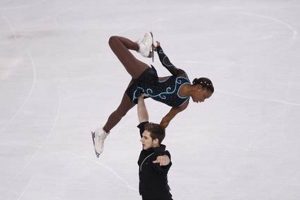
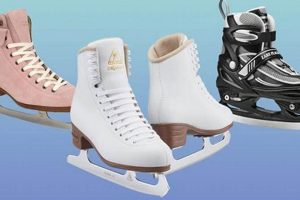
These specialized components, found on the front of figure skating blades, are a series of pointed teeth. Their primary function is to assist skaters in executing jumps, spins, and various other technical movements on the ice. Utilizing these elements effectively requires precision and control, enabling athletes to generate upward momentum and maintain stability during complex maneuvers.
The utilization of these serrated edges is integral to the advanced techniques employed in figure skating. They facilitate powerful takeoffs, contribute to controlled landings, and are fundamental in certain spin variations. Over time, the design and configuration of these features have evolved, reflecting ongoing refinements in skating technique and performance standards. Their presence allows skaters to achieve greater height, speed, and complexity in their routines, contributing significantly to the overall artistry and athleticism of the sport.
The following sections will delve deeper into the specific applications of these blade features, discussing their impact on jump mechanics, spin control, and overall skating proficiency. Understanding their role is essential for appreciating the nuances of figure skating and the skills required to excel in this discipline.
Utilizing Blade Front Serrations
The following section provides focused advice regarding the effective application of the frontal blade teeth during figure skating maneuvers. Proper execution is essential for optimal performance and injury prevention.
Tip 1: Engage Deliberately. Initiate contact with the ice surface deliberately. Avoid abrupt, forceful engagement, as this may lead to instability and compromised technique. Controlled pressure is paramount.
Tip 2: Maintain Proper Alignment. Ensure correct body alignment throughout the engagement phase. This includes maintaining a stable core and balanced posture, reducing the risk of imbalances during jump takeoffs and landings.
Tip 3: Modulate Pressure Strategically. Vary the amount of pressure applied based on the specific maneuver being performed. Softer pressure is appropriate for preparatory steps, while more assertive engagement may be required for jump initiation.
Tip 4: Coordinate with Arm Movements. Synchronize upper body movement with lower body action. Arm placement influences balance and rotational control, thereby enhancing the effectiveness of blade usage.
Tip 5: Practice Progressive Drills. Implement structured practice routines focused on incremental skill development. Starting with basic exercises and gradually increasing complexity promotes mastery and confidence.
Tip 6: Seek Professional Guidance. Consult with qualified coaches and instructors to obtain personalized feedback and refine technique. Expert supervision is invaluable for identifying and correcting biomechanical flaws.
Tip 7: Prioritize Controlled Landings. Focus on achieving controlled landings following jumps and spins. Proper weight distribution and leg flexion are crucial for absorbing impact and preventing injury related to the interaction with the ice via the blade’s front.
Consistent adherence to these guidelines promotes improved performance, reduces the potential for injury, and enhances overall skating proficiency. Careful attention to detail and disciplined practice are essential for maximizing the benefits.
The subsequent sections will address specific training methods and exercises designed to further develop proficiency in utilizing these key features of the skating blade.
1. Jump Launch

The jump launch in figure skating critically relies on the strategic application of the frontal blade teeth. These pointed extensions provide the necessary leverage for generating upward momentum. By engaging these components with the ice at a precise angle and force, skaters can initiate the takeoff sequence for various jumps, including toe loops and flips. The efficiency of the launch directly correlates with the skater’s ability to achieve sufficient height and rotation, influencing the overall quality of the jump.
A prominent example illustrating this connection is the toe loop. The skater plants the blade’s front teeth of one foot into the ice while simultaneously leveraging the opposite leg to initiate the jump. The teeth act as a pivot point, allowing for a forceful push-off. Improper engagement of these elements often results in a failed jump attempt, characterized by insufficient height, compromised rotation, and potential falls. The practical significance lies in the skater’s capacity to consistently execute clean and technically sound jumps, thereby increasing their scoring potential in competitive settings.
In summary, the connection between jump launch and blade teeth is one of direct causality. The quality of the launch is fundamentally dependent on the skater’s ability to effectively utilize these features. Mastering this aspect of skating technique is essential for achieving advanced skill levels and consistently performing jumps with precision and control. Challenges include developing the necessary strength, coordination, and timing to execute jump launches effectively. The ongoing refinement of blade design continues to influence and improve jump performance, directly impacting the evolution of figure skating.
2. Spin Initiation
The frontal blade teeth play a less direct, yet crucial, role in spin initiation compared to their impact on jump launches. While edge control and body alignment are primary determinants of spin quality, the blade teeth contribute indirectly by facilitating controlled transitions into and out of spins. Specific spins, notably those involving step sequences directly preceding the rotation, benefit from the controlled edge work enabled by these frontal serrations.
One example involves the change-foot spin where the skater transitions from a forward edge to a back edge, utilizing the blade teeth for subtle adjustments and stabilization during the foot switch. In this context, the precise control afforded by the teeth helps maintain balance and axis, preventing wobbling or loss of momentum. Without this degree of control, the spin’s quality could be compromised, resulting in deductions in competition. Furthermore, certain advanced spins incorporate creative footwork sequences where delicate blade placement is essential, and the frontal components contribute to the intricate maneuvering required.
In conclusion, the frontal blade teeth, while not the main driver, are an integral component of executing controlled and aesthetically pleasing spins. The ability to leverage these features for transitional movements and subtle balance corrections separates proficient skaters from novices. While challenges may arise from inconsistent ice conditions or improper skate maintenance affecting the sharpness of the teeth, mastering their nuanced use is essential for achieving a high level of skill. The evolution of blade design reflects an ongoing effort to enhance control and responsiveness, thus refining the spin initiation process.
3. Blade Control
Blade control, an essential aspect of figure skating, intricately links to the strategic utilization of the frontal blade teeth. This skill set encompasses the skater’s ability to precisely maneuver on the ice, executing complex movements with accuracy and stability. The frontal blade teeth play a critical, though often nuanced, role in achieving optimal blade control.
- Jump Stabilization
During jump landings, the frontal blade teeth provide additional points of contact, aiding in stabilization. This is especially critical for multi-rotational jumps where skaters must rapidly regain control after landing. Utilizing these teeth effectively minimizes the risk of falls and allows for a smoother transition into subsequent maneuvers.
- Edge Work Enhancement
The subtle application of pressure on the frontal blade teeth enhances edge work. Skaters can use them to subtly adjust their angle of attack on the ice, enabling sharper turns and more controlled transitions between edges. This is particularly evident in intricate footwork sequences where precision is paramount.
- Spin Centering
While the main spin axis is determined by the blade’s rocker, the frontal teeth contribute to maintaining the skater’s balance. Slight adjustments using these teeth help prevent the spin from drifting off-center, resulting in a cleaner and more aesthetically pleasing performance. Skaters learn to make micro-adjustments during spinning rotations.
- Maneuver Recovery
In instances where a skater loses balance during a maneuver, the frontal blade teeth offer a means of recovery. By quickly engaging these teeth with the ice, skaters can regain control and prevent a complete fall. This reactionary skill requires practice and quick decision-making, reflecting the adaptive nature of blade control.
The interplay between blade control and the frontal blade teeth underscores the technical demands of figure skating. The ability to effectively harness these features separates skilled skaters from novices, enabling complex maneuvers and maintaining stability throughout their performances. Continuous training and refinement of technique are essential for maximizing the benefits of these blade components.
4. Edge Precision

Edge precision in figure skating denotes the degree of accuracy and control a skater exhibits while utilizing the edges of their blades. The employment of the frontal blade teeth, while not directly defining edge precision, significantly influences a skater’s capacity to achieve it, particularly in specific circumstances.
- Assisted Edge Transitions
The frontal blade teeth facilitate rapid and controlled transitions between inside and outside edges. Skaters leverage these features during intricate footwork sequences to maintain momentum and execute complex turns with precision. Consider a Mohawk turn where a skater switches from a forward inside edge to a backward outside edge; subtle engagement of the frontal blade teeth can prevent slippage and ensure a clean, precise transition.
- Enhanced Control During Turns
During turns, the teeth provide an additional point of contact, enhancing stability and control. Skaters can make micro-adjustments to their edge angle by selectively engaging the teeth, allowing for sharper turns and more accurate tracing of patterns on the ice. This is evident in brackets and rockers where maintaining a clean, consistent edge throughout the turn is critical for technical execution.
- Reduced Edge Chatter
Edge chatter, defined as unwanted vibration or slippage of the blade on the ice, compromises edge precision. Careful use of the frontal teeth, combined with proper body alignment and weight distribution, minimizes edge chatter. For example, a skater performing a clean back outside edge spiral requires precise control to avoid chatter; subtle pressure on the frontal teeth can contribute to this stability.
- Recovery from Edge Errors
While striving for edge perfection, errors can occur. In such instances, the frontal blade teeth offer a means of recovery. A skater may briefly engage the teeth to correct a slight deviation from the intended edge path, thereby preventing a major error. This demonstrates that though the primary goal is not to rely on them, the presence of the frontal teeth offers a buffer in maintaining precision during challenging sequences.
The correlation between edge precision and the utilization of frontal blade teeth underscores the nuances of figure skating technique. While edge precision is fundamentally determined by a skater’s balance, control, and understanding of blade mechanics, strategic engagement of the teeth enhances these attributes, enabling more intricate and precise movements on the ice. These factors together allow for technical skill.
5. Technique Development

The acquisition of figure skating proficiency hinges significantly on structured technique development that incorporates a nuanced understanding of frontal blade teeth usage. Skill progression is not solely reliant on repetition but on the conscious integration of these components into fundamental movements. Improper employment of these elements can lead to the formation of detrimental habits that impede future progress. A deliberate approach to technique development emphasizes controlled engagement, precise edge work, and balanced weight distribution, ensuring that the frontal teeth are utilized effectively to enhance stability and power without compromising overall form. For instance, learning the correct angle of approach for a toe loop jump, coupled with appropriate pressure application, is a crucial element in fostering sustainable jump technique. This early attention to detail establishes a foundation for executing increasingly complex maneuvers with greater accuracy and efficiency.
Further, technique development should encompass drills designed to isolate and refine specific aspects of frontal blade teeth utilization. These drills often involve slow, deliberate repetitions of partial movements, allowing skaters to internalize the correct muscle memory and coordination. For example, practicing controlled landings from small jumps, focusing on engaging the frontal teeth for stabilization, strengthens the skaters ability to absorb impact and maintain balance. Such exercises build confidence and facilitate the seamless integration of these components into more complex skills. Additionally, video analysis and coaching feedback play vital roles in identifying and correcting subtle errors in technique, thereby preventing the development of flawed habits that could hinder future advancement. Correct technique development also mitigates the risk of injury.
In conclusion, technique development is inextricably linked to a comprehensive understanding of frontal blade teeth application. By prioritizing controlled engagement, precise execution, and targeted skill-building exercises, skaters establish a solid foundation for achieving advanced skill levels. The challenges lie in consistently adhering to proper technique, seeking informed guidance, and remaining patient throughout the learning process. However, the long-term benefits of a well-developed foundation far outweigh the effort invested, enabling skaters to perform with precision, artistry, and confidence.
6. Safety Considerations
The presence of frontal blade teeth introduces inherent safety considerations in figure skating. These features, designed to facilitate specific maneuvers, simultaneously pose a risk of injury if not properly managed. A prominent risk stems from accidental contact with the ice or another skater, potentially leading to stumbles, falls, and lacerations. The sharp nature of these teeth necessitates a heightened awareness of spatial positioning and movement patterns. Furthermore, incorrect engagement of these features during jumps or spins can result in abrupt stops, causing ankle sprains, knee injuries, or even concussions. The frequency of such incidents underscores the critical need for comprehensive safety protocols and diligent adherence to best practices.
Mitigating these risks requires a multi-faceted approach. Skaters must receive thorough instruction on proper technique, emphasizing controlled blade placement and balanced weight distribution. Coaches play a crucial role in identifying and correcting potentially hazardous movement patterns. Adequate protective gear, including supportive boots and potentially padded clothing, offers an additional layer of defense. Moreover, maintaining a safe skating environment, characterized by sufficient space, clear visibility, and well-maintained ice surfaces, is paramount. An example highlighting these considerations is a crowded practice session where skaters executing jumps with limited visibility risk colliding with others; implementing structured routines and spacing protocols could minimize such collisions. All skaters must have an awareness of others to avoid problems.
In summary, while frontal blade teeth are essential for executing advanced figure skating techniques, they necessitate a rigorous focus on safety. A combination of proper training, protective measures, and environmental controls can significantly reduce the risk of injury. The challenge lies in fostering a culture of safety consciousness among skaters, coaches, and facility managers, ensuring that safety considerations remain at the forefront of all activities. Prioritizing safety not only protects individual skaters but also contributes to the overall sustainability and enjoyment of the sport.
Frequently Asked Questions
The following addresses prevalent inquiries pertaining to the serrated extensions located on the front of figure skating blades. It aims to clarify their purpose, usage, and maintenance within the context of figure skating technique.
Question 1: Are these blade features exclusively for jumps?
While commonly associated with jumps, these elements are utilized for other maneuvers. They aid in specific spins and contribute to edge control during footwork sequences. Therefore, their function extends beyond solely facilitating jump launches.
Question 2: Do all figure skaters utilize these features identically?
The degree and manner in which these are engaged vary based on skill level, skating style, and individual preferences. Advanced skaters tend to use them more strategically and subtly compared to beginners. Hence, individual application differs significantly.
Question 3: How frequently should these features be sharpened?
Sharpening frequency depends on several factors, including ice quality, skating volume, and individual skater needs. Regular inspection for wear and tear is recommended, and sharpening should occur when grip diminishes significantly. Specific timelines are contingent upon these variables.
Question 4: Can improper use of these blade elements lead to injuries?
Yes, incorrect engagement can increase the risk of falls and related injuries. Over-reliance, abrupt engagement, and inadequate control can compromise stability and increase the likelihood of accidents. Proper technique is thus essential for injury prevention.
Question 5: Are these elements a relatively recent innovation in figure skating?
No, these blade features have been present on figure skates for a considerable period, though their design and configuration have evolved over time. Historical records suggest their presence dating back to the early development of modern figure skating blades.
Question 6: Do the design of these features differ between different types of figure skating blades?
Variations exist in their size, shape, and configuration depending on the specific type of blade, such as those designed for freestyle versus those for dance. These design differences reflect the specific demands of each discipline.
This FAQ section provides clarification regarding the nature and role of frontal blade teeth in figure skating. Further exploration of specific training techniques is recommended for those seeking to refine their skills.
The subsequent section will provide detailed information regarding the maintenance and care of these specialized blade features.
Conclusion
This exposition has detailed the critical function of the serrated components on figure skating blades, known as toe picks. It has elucidated their contributions to jump launches, spin initiations, blade control, edge precision, technique development, and the safety considerations intrinsic to their utilization. From enhancing jump performance to influencing delicate edge work, the presented information has underscored the multifaceted influence these features exert on a skater’s capabilities.
Continued research and refinement in blade design, alongside rigorous training protocols, remain essential for maximizing the potential while mitigating the inherent risks associated with these blade elements. Further understanding and mastery of toe picks ice skates will undoubtedly drive future advancements in figure skating technique and performance. Professionals should continue to develop best safety and training practices around this feature.