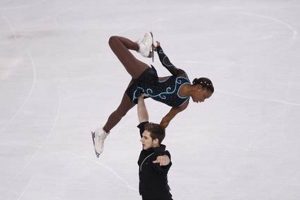
The long program segment in figure skating, often referred to as the “free skate,” represents the culmination of a skater’s technical and artistic abilities. This segment requires skaters to perform a series of jumps, spins, step sequences, and choreography within a specified time limit. For instance, a senior men’s program typically lasts 4 minutes and 30 seconds, while a senior women’s program is 4 minutes.
The competitive significance of this segment is paramount, often determining the overall standings of a competition. A well-executed routine can significantly impact a skater’s score, showcasing not only technical proficiency but also artistic expression and stamina. Historically, the evolution of required elements and judging criteria has continuously pushed athletes to innovate and elevate the sport’s standards. The freedom within the structure allows skaters to express their individual styles and interpretations of the music.
The forthcoming sections will delve into the scoring system, the various elements commonly included, strategies for program construction, and the factors that contribute to a successful performance in this pivotal aspect of figure skating.
Tips for Excellence in the Long Program
The following recommendations are designed to optimize performance within the long program segment of figure skating competitions. Adherence to these guidelines can contribute to improved scores and a more compelling presentation.
Tip 1: Prioritize Element Selection Based on Technical Proficiency: Athletes should select elements that align with their strengths and minimize the risk of errors. Consistently executed, lower-valued elements are preferable to attempted but failed higher-valued elements.
Tip 2: Optimize Program Layout for Stamina: Strategically position physically demanding elements, such as jump combinations, earlier in the program when stamina is at its peak. Distribute less taxing elements throughout the remainder of the routine to maintain energy levels.
Tip 3: Emphasize Seamless Transitions and Choreography: Transitions between elements should be fluid and integrated into the music. Intricate footwork and arm movements enhance the artistic component and contribute to the program’s overall impact.
Tip 4: Maximize Component Scores Through Artistic Interpretation: Component scores, encompassing skating skills, transitions, performance, composition, and interpretation, are critical. Athletes should strive to embody the music and convey emotion through their movements.
Tip 5: Incorporate a Variety of Spin Positions: A diversity of spin positions, including upright, camel, and sit spins, demonstrates versatility and technical control. Each spin should achieve the required level of difficulty to maximize points.
Tip 6: Maintain Consistent Speed and Flow: Consistent speed and flow throughout the program create a visually engaging performance. Avoid abrupt stops or changes in tempo that can disrupt the overall rhythm.
Tip 7: Dedicate Sufficient Time to Program Run-Throughs: Consistent practice of full program run-throughs is essential for building muscle memory and improving stamina. Simulate competition conditions during training to prepare for the pressures of performance.
The implementation of these strategies can result in a more polished and technically sound presentation, potentially leading to enhanced competitive results. Diligent preparation and meticulous attention to detail are paramount to success in this demanding segment of figure skating.
The subsequent analysis will address common errors observed within the long program and provide insights into methods for their mitigation.
1. Technical element execution

The connection between technical element execution and the long program is fundamental. Technical element execution forms the bedrock upon which a skater’s score is built during this segment of competition. Successful completion of jumps, spins, and step sequences, each carrying a base value and potential for Grade of Execution (GOE) bonuses, directly translates into points. Conversely, errors such as falls, under-rotations, or downgraded jumps result in point deductions, significantly impacting the overall score. For example, a quadruple jump landing successfully earns substantially more points than a triple jump, provided the skater can execute it cleanly. However, a failed quadruple jump may yield fewer points than a well-executed triple due to deductions.
The technical demands of the long program necessitate a skater’s mastery of a diverse repertoire of elements. Program construction strategically integrates these elements to maximize point potential while considering the skater’s strengths and weaknesses. A well-designed program incorporates a balance of challenging and consistent elements to mitigate risk and capitalize on scoring opportunities. The recent shift towards prioritizing difficult quadruple jumps in men’s skating, and the increasing demand for triple axels and quadruple jumps in women’s skating, exemplifies this connection. Skaters often adjust their programs to include elements that can generate the highest possible score based on their current level of technical proficiency. Judges analyze the execution of jumps, spins, step sequences, and choreographic sequences and give scores, which directly affects whether the skater moves on to the next level.
Ultimately, the ability to consistently and cleanly execute technical elements within the long program is paramount to success. While artistry and presentation are important, technical element execution forms the foundation for a competitive score. Challenges arise from the high physical and mental demands required to consistently perform these elements under pressure. Recognizing and understanding the inherent connection between technical element execution and the overall success is crucial for coaches and skaters.
2. Artistic program components

Artistic program components are integral to the overall assessment of the long program segment, directly impacting a skater’s final score. These components, often referred to as “program component scores” (PCS), evaluate the qualitative aspects of the performance, including skating skills, transitions, performance, composition, and interpretation of the music. Unlike the technical score, which is based on the specific elements performed, PCS reflect the overall artistic merit of the routine. The connection is evident in how a skater interprets the music and translates it into movement; a technically proficient program may be deemed less compelling if it lacks artistic depth.
Each component contributes uniquely to the overall PCS. Skating skills assess the skater’s command of the ice, evaluating edge control, power, and flow. Transitions measure the fluidity and intricacy of the movements connecting the technical elements. Performance considers the skater’s projection, charisma, and engagement with the audience. Composition analyzes the program’s structure and the arrangement of elements in relation to the music. Interpretation gauges the skater’s understanding of the music and their ability to convey its emotional content. As an example, consider a skater performing to classical music with an elegant and refined skating style. Their skating skills might be highly rated due to their precise edge work, fluid movements, and powerful glide. Their transitions would be assessed based on how seamlessly they connect the technical elements with intricate footwork and graceful arm movements. Their performance marks would reflect their ability to convey the emotions of the music and engage the audience with their presence. Similarly, a skater performing a fast-paced contemporary piece might showcase a different set of strengths, such as powerful jumps, dynamic choreography, and intense energy. The scoring system allows for the expression of diverse performance styles. The skater’s PCS can be affected by the elements performed during the skate, if they do not align with the music. If a skater’s jumps are too fast, they may be docked points for skating skills, because although it is a element that is necessary, it does not align with the mood of the skate.
The evaluation of artistic program components requires a nuanced understanding of both technical skating and artistic expression. Skaters must strike a balance between executing challenging technical elements and conveying a compelling artistic narrative. Achieving a high score in this aspect of the sport demands diligent training, creative choreography, and a deep connection with the music. Challenges arise from the subjectivity of the judging criteria and the need for skaters to authentically express themselves while adhering to the technical requirements of the long program. Understanding the integration of artistry within the structure is paramount for coaches and skaters alike.
3. Skating skill mastery

The foundation of success in the long program, also known as the “ice skating free skate,” rests upon the skater’s mastery of fundamental skating skills. These skills are not merely a prerequisite but rather the very fabric from which all technical and artistic elements are woven. Without a high degree of proficiency in basic skating techniques, the execution of complex maneuvers becomes compromised, and the overall quality of the performance is diminished.
- Edge Control and Precision
Skaters must demonstrate exceptional control over their edges the curved blades of their skates to execute turns, maintain speed, and create intricate footwork sequences. Precise edge work is essential for generating power, maximizing ice coverage, and maintaining balance during demanding elements. For example, a skater with superior edge control can execute a clean triple axel, while a skater with less developed edge control is more likely to under-rotate or fall.
- Power and Speed
The generation and maintenance of speed across the ice are critical for both technical and artistic impact. Sufficient power allows skaters to execute high-amplitude jumps and dynamic spins, while controlled speed enhances the fluidity of their transitions and the overall flow of their program. Insufficient power limits the height and distance of jumps, while uncontrolled speed can lead to collisions or falls. A skater must navigate the ice with the precise amount of power to execute all the parts of their program with the correct amount of grace.
- Balance and Stability
Maintaining balance and stability is paramount throughout the long program, especially during landings, spins, and intricate footwork sequences. Superior balance enables skaters to execute elements with precision and confidence, minimizing the risk of errors and maximizing their artistic expression. For example, a skater with exceptional balance can maintain a deep edge during a spiral sequence, showcasing their flexibility and control.
- Transitions and Flow
The seamless integration of transitions between technical elements is crucial for creating a cohesive and engaging program. Fluid transitions enhance the overall flow of the performance, demonstrating the skater’s artistry and connecting disparate elements into a unified whole. Choppy or awkward transitions disrupt the rhythm of the program and detract from its artistic impact.Transitions are equally important to the technical aspects as the elements themselves. This is why skaters practice their transitions with the same energy they do their jumps and spins.
In conclusion, mastery of skating skills forms the foundation upon which all aspects of the “ice skating free skate” are built. Superior edge control, power, balance, and seamless transitions enable skaters to execute challenging elements with precision and artistry. The aforementioned elements need to work together to make the skater one with the ice. This is why many coaches start the skater with these aspects before anything else. Without this strong foundation, the full potential of a skater’s technical and artistic abilities cannot be realized. The program as a whole is only as good as its skating foundation.
4. Program choreography innovation
The choreography of the long program is a pivotal factor in determining a skater’s competitive success. Innovative choreography transcends the mere stringing together of required elements; it involves the creation of a cohesive and compelling narrative that seamlessly integrates technical skills with artistic expression. The implementation of novel movements, unexpected transitions, and creative interpretations of the music elevates the program beyond a display of athletic prowess to a work of art. An instance can be seen in programs crafted by choreographers such as David Wilson, who has consistently pushed boundaries by incorporating contemporary dance elements and unconventional skating patterns into routines. These innovations have not only captivated audiences but have also influenced the evolution of the sport, demonstrating the power of originality in choreography.
The impact of inventive choreography extends to the scoring system, particularly within the Program Component Scores (PCS). Judges evaluate elements such as composition and interpretation, rewarding programs that exhibit a high degree of creativity and artistic merit. Choreography that demonstrates a clear understanding of musical phrasing, utilizes the entire ice surface effectively, and showcases the skater’s unique personality is more likely to receive higher PCS marks. Furthermore, innovative choreography can enhance the technical score by facilitating smoother transitions into and out of difficult elements. By creatively linking elements together, skaters can maintain momentum and flow, potentially increasing the Grade of Execution (GOE) awarded for those elements.
In conclusion, program choreography innovation is inextricably linked to the success of the long program. It serves as a catalyst for both artistic expression and technical execution, influencing not only the audience’s perception but also the judges’ scoring. The challenges lie in striking a balance between originality and adherence to technical requirements, but the potential rewards are significant. By embracing innovative choreography, skaters can elevate their performances, push the boundaries of the sport, and ultimately achieve competitive excellence.
5. Physical endurance optimization
Physical endurance optimization is inextricably linked to performance quality within the long program, often termed the “ice skating free skate.” This segment demands sustained exertion over a period of approximately four minutes for senior-level competitors. Inadequate endurance manifests as decreased jump height, reduced spin quality, and diminished artistic expression as the program progresses. Consequently, a skater’s ability to maintain technical precision and artistic interpretation throughout the duration is directly proportional to their physical conditioning. Training regimens must, therefore, prioritize cardiovascular fitness, muscular endurance, and the ability to recover quickly between demanding elements. For instance, a skater who neglects endurance training might execute a flawless triple axel at the beginning of their program but struggle to land subsequent jumps cleanly due to fatigue. This highlights the causal relationship between optimized physical condition and sustained technical execution.
The optimization of physical endurance transcends mere cardiovascular fitness. Targeted strength training, focusing on muscles crucial for jumps and spins, plays a vital role. Plyometric exercises enhance explosive power, enabling higher jumps, while core strengthening improves stability and balance. Interval training, simulating the intermittent nature of the program, enhances the skater’s capacity to recover between bursts of intense activity. Furthermore, nutritional strategies, including proper hydration and carbohydrate loading, contribute significantly to sustained energy levels. An example includes skaters who practice elements at the end of program run-throughs to combat the common problem of stamina depletion. Failure to implement these strategies can lead to premature fatigue, increased error rates, and diminished performance quality, especially during the latter half of the program.
In summary, physical endurance optimization is not merely a supplementary aspect but an essential component for excelling in the long program. The demands of this segment require a holistic approach to training, encompassing cardiovascular fitness, muscular strength, targeted plyometrics, and strategic nutrition. The ability to maintain technical precision and artistic expression throughout the program’s duration is directly contingent upon a skater’s physical conditioning. While technical skill and artistic talent are crucial, the athlete cannot present these to the best of their ability without proper physical conditoning. Addressing this aspect comprehensively is critical for achieving competitive success in the long program.
Frequently Asked Questions about the Long Program
The following addresses common inquiries concerning the rules, requirements, and strategic aspects of the long program, also known as the “ice skating free skate.”
Question 1: What are the time requirements for the ice skating free skate at the senior level?
Senior mens programs are 4 minutes, 30 seconds +/- 10 seconds. Senior womens and pairs programs are 4 minutes +/- 10 seconds.
Question 2: How are falls penalized in the long program?
Falls incur a deduction from the skater’s score. The deduction varies depending on the level of competition and is subtracted from the technical element score.
Question 3: What are program component scores (PCS) and how are they determined?
Program component scores reflect the artistic aspects of the performance, including skating skills, transitions, performance, composition, and interpretation. Judges evaluate each component based on a scale, considering the overall quality and artistry of the program.
Question 4: What is the role of choreography in the long program?
Choreography is integral, connecting technical elements with artistic expression. Effective choreography enhances the flow, musicality, and overall impact of the performance, contributing significantly to the program component scores.
Question 5: How important is stamina for the long program?
Stamina is paramount. The long program demands sustained physical exertion. Insufficient endurance can lead to errors and a decline in performance quality as the program progresses.
Question 6: Can a skater change their program after the initial submission?
Rules vary depending on the competition. Generally, significant changes to the programs planned elements are restricted close to the competition date. Consult the specific competition guidelines for precise regulations.
Understanding these common aspects of the long program can provide greater insight into the complexities and strategies involved in competitive figure skating.
The subsequent analysis will focus on the future of the long program and potential rule changes on the horizon.
Conclusion
The preceding analysis has explored various facets of the ice skating free skate, highlighting the intricate interplay between technical execution, artistic expression, and physical conditioning. A comprehensive understanding of these elements is essential for skaters, coaches, and enthusiasts alike. The scoring system, program construction, and training methodologies all contribute to the final outcome of this crucial segment in figure skating competitions.
Continuous evolution is inherent in the sport of figure skating. The “ice skating free skate” will undoubtedly continue to evolve with new techniques and regulations. A dedicated focus on foundational skills, innovative choreography, and optimized physical preparation will be essential for skaters to remain competitive and push the boundaries of athletic and artistic achievement on the ice.