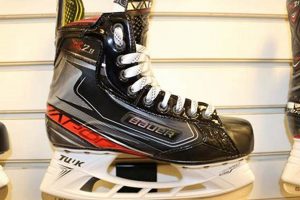
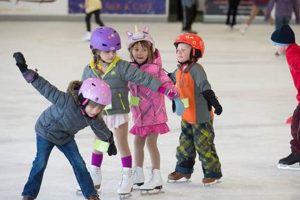
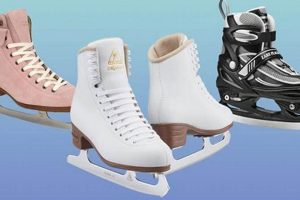
Previously owned ice skates, often available at reduced prices, present an accessible entry point into ice skating for beginners or those seeking cost-effective options. These skates can range from recreational models suitable for casual skating to more advanced figure or hockey skates. For example, a pair of hockey skates employed in a single season of recreational league play may be offered at a significant discount compared to new equipment.
Acquiring pre-owned skating footwear can offer several advantages. Individuals can participate in ice skating without a substantial initial investment, facilitating broader access to the sport. Furthermore, this practice promotes sustainability by extending the lifespan of sporting goods, reducing waste, and lessening the demand for new manufacturing. Historically, repurposing sporting equipment has been a common practice, particularly during periods of economic constraint, allowing participation in recreational activities despite limited resources.
The subsequent sections will delve into the factors to consider when acquiring such equipment, including assessing condition, ensuring proper fit, understanding different skate types, and the potential benefits and drawbacks of purchasing pre-owned versus new ice skates.
Guidance for Acquiring Pre-Owned Ice Skates
This section provides essential advice for individuals considering the purchase of previously owned ice skates, ensuring a satisfactory and safe acquisition.
Tip 1: Thoroughly Inspect the Blades: Examine the blades for significant rust, pitting, or deep nicks. Minor surface rust may be removable, but extensive damage can compromise performance and safety. Professional sharpening may be required.
Tip 2: Assess Boot Integrity: Evaluate the boots for signs of wear and tear, including cracks, tears, and stiffness. Compromised boot support can lead to ankle instability and potential injury.
Tip 3: Check the Liners: Inspect the liners for excessive wear, odor, or moisture damage. Replacing liners may be necessary to ensure hygiene and comfort.
Tip 4: Verify Fastener Functionality: Ensure that laces, buckles, and straps are in good working order. Damaged fasteners can impede proper fit and support.
Tip 5: Prioritize Proper Fit: Attempting on the skates is crucial to ascertain a snug yet comfortable fit. Ill-fitting skates can cause blisters, discomfort, and hinder performance.
Tip 6: Inquire About Usage History: Obtain information regarding the previous owner’s skating habits and frequency of use. This insight can provide an understanding of the skates’ overall condition and remaining lifespan.
Tip 7: Compare Prices: Research the current market value of comparable new and used models to ensure a reasonable purchase price.
Adhering to these guidelines facilitates the selection of pre-owned ice skates that offer both value and performance, while minimizing the risk of acquiring equipment with hidden defects.
The subsequent segment will explore the different types of ice skates available and their suitability for various skating disciplines.
1. Condition assessment

Condition assessment forms an indispensable element in the lifecycle of previously owned ice skates. The act of procuring pre-owned skating equipment necessitates a meticulous evaluation of its current state. Neglecting this assessment can result in acquiring skates that are unsafe, perform inadequately, or possess a significantly reduced lifespan. The presence of rust on the blades, for instance, directly impacts the skater’s ability to glide and maneuver efficiently. Cracks or tears in the boot structure compromise ankle support, potentially leading to injuries. These defects, if unidentified prior to purchase, negate the potential cost savings associated with acquiring used skates.
A comprehensive evaluation extends beyond visual inspection. The assessment should encompass the structural integrity of the boot, the sharpness and alignment of the blades, and the functionality of all fastening mechanisms. For instance, a skate exhibiting excessive wear on the blade’s edges will require frequent sharpening, incurring additional expenses. Furthermore, damaged laces or buckles can impede secure fastening, affecting the skater’s control and balance. Consider the case of a parent purchasing used skates for a child; a failure to identify a compromised blade could result in a fall and potential injury during the child’s initial skating experiences.
In summary, the relationship between condition assessment and acquiring used ice skates is a critical one. A thorough evaluation mitigates risks associated with compromised equipment, ensures a safer and more enjoyable skating experience, and maximizes the value derived from the purchase. The initial time investment in a detailed condition assessment proves more beneficial than the potential costs and hazards associated with overlooking this crucial step.
2. Proper fit
The attainment of a proper fit when acquiring previously owned ice skates represents a critical determinant of user comfort, performance, and safety. Unlike apparel, where size variations can be accommodated with relative ease, ice skates necessitate a precise fit to ensure adequate ankle support, prevent friction-induced blisters, and facilitate optimal power transfer during skating movements. The consequences of ill-fitting skates can range from minor discomfort to severe foot injuries, thus underscoring the importance of this factor in the context of pre-owned equipment. For instance, skates that are too large will permit excessive foot movement within the boot, leading to instability and a diminished ability to execute precise maneuvers. Conversely, skates that are too small can compress the foot, restricting circulation and causing painful pressure points.
Further analysis reveals that the significance of proper fit is amplified in the domain of used ice skates due to the potential for prior wear and deformation. Previous usage can alter the internal dimensions of the boot, making standardized size measurements unreliable. Therefore, prospective buyers must prioritize a physical fitting, even if the skates are purportedly the correct size. This fitting should involve wearing the same type of socks intended for skating and simulating typical skating movements to identify any points of discomfort or instability. A practical application of this understanding involves seeking professional assistance from a skate technician or experienced retailer. These individuals possess the expertise to assess the fit accurately and recommend adjustments, such as heat molding or padding modifications, to optimize comfort and performance.
In conclusion, the pursuit of proper fit stands as a non-negotiable aspect of acquiring previously owned ice skates. The ramifications of neglecting this factor extend beyond mere inconvenience, encompassing potential physical harm and diminished skating capabilities. While the allure of cost savings may be tempting, it should not supersede the fundamental requirement of a well-fitting skate. Challenges associated with achieving an optimal fit can be mitigated through diligent measurement, physical fittings, and expert consultation, thereby ensuring a safe and enjoyable skating experience. This understanding is inextricably linked to the broader theme of responsible acquisition and usage of pre-owned sporting equipment.
3. Skate type
The classification of ice skates directly influences the suitability and performance of previously owned equipment. Distinctions between types, such as figure, hockey, or recreational models, dictate their intended use and specific design characteristics, which subsequently impact the evaluation criteria for pre-owned purchases.
- Figure Skates
Figure skates, characterized by a toothed blade, are designed for complex maneuvers involving jumps and spins. When considering used figure skates, blade sharpness and the integrity of the boot’s support structure are paramount. Previous wear can significantly impact blade performance and ankle stability, requiring careful inspection. The age and level of the skater intending to use these skates also matter.
- Hockey Skates
Hockey skates prioritize agility and protection, featuring a more rigid boot and a curved blade for rapid acceleration and directional changes. Evaluating used hockey skates entails assessing the condition of the blade’s profile, the boot’s impact resistance, and the security of the fasteners. Evidence of previous high-impact use necessitates a thorough examination for structural damage.
- Recreational Skates
Recreational skates are designed for casual skating and prioritize comfort and ease of use. Typically, these skates feature softer boots and simpler blade designs. When purchasing used recreational skates, focus should be placed on the overall comfort and the condition of the liners. Evidence of mold or significant wear suggests that the skates need replacing.
- Speed Skates
Speed skates, with their long blades and low-cut boots, are optimized for straight-line speed and efficiency. Condition of blades should be checked very carefully and properly.
Understanding the specific characteristics of each skate type is essential for making informed decisions when acquiring pre-owned ice skates. Prioritizing these features, alongside thorough condition assessments, ensures that the selected equipment aligns with the intended use and provides a safe and enjoyable skating experience. It is also important to note that children or beginners should have lessons to ensure safety.
4. Intended use
The intended use of ice skates significantly influences the suitability of previously owned equipment. The demands placed upon the skates, dictated by the skating discipline, must align with the condition and design characteristics of the skates to ensure both safety and performance.
- Recreational Skating vs. Competitive Performance
Recreational skating, characterized by infrequent use and low-intensity activity, permits a wider range of pre-owned skate options. Minor imperfections or cosmetic wear may be acceptable, provided the skates offer adequate support and comfort. Conversely, competitive skating demands high-performance equipment in optimal condition. Used skates intended for competitive use require meticulous inspection for structural integrity, blade sharpness, and proper fit, as even minor defects can impede performance and increase the risk of injury. For example, a recreational skater may find acceptable a used pair of figure skates with slightly dulled blades, whereas a competitive figure skater would require precisely sharpened blades for optimal jump execution.
- Figure Skating vs. Hockey Skating
Figure skates, with their toe picks and specialized blade curvature, cater to specific maneuvers that hockey skates cannot accommodate. Conversely, hockey skates, designed for agility and impact resistance, are unsuitable for figure skating techniques. Employing a pre-owned hockey skate for figure skating, or vice versa, presents significant challenges and compromises safety. Therefore, selecting used skates must align with the intended skating discipline, with careful consideration given to the distinct design elements of each skate type.
- Indoor vs. Outdoor Skating
Skating environments impose different demands on the equipment. Indoor skating rinks typically offer smooth, well-maintained surfaces, whereas outdoor skating on natural ice can expose the skates to rougher conditions and potential debris. Used skates intended for outdoor use should exhibit greater durability and resistance to rust and corrosion. A pre-owned pair of skates previously used exclusively indoors may suffer accelerated degradation if subsequently employed outdoors, reducing their lifespan and compromising performance.
- Frequency of Use
The anticipated frequency of use should factor into the selection of pre-owned ice skates. Skates intended for occasional use may tolerate a greater degree of wear than skates used regularly. A pair of used skates employed sparingly may retain sufficient functionality for infrequent recreational skating, whereas a skater engaging in daily practice would require equipment in superior condition to withstand the increased demands and maintain optimal performance.
Ultimately, aligning the intended use with the specific characteristics and condition of previously owned ice skates ensures a safe and satisfactory skating experience. Consideration of the skating discipline, environment, and frequency of use dictates the acceptable level of wear and the essential performance characteristics of the selected equipment. By prioritizing this alignment, skaters can maximize the value and utility of their pre-owned ice skates.
5. Market price
The market price of previously owned ice skates constitutes a pivotal factor in the acquisition process, influencing purchase decisions and reflecting the interplay between supply, demand, condition, and skate type. Understanding the dynamics of market pricing for used equipment is crucial for both buyers seeking cost-effective options and sellers aiming to realize a fair return on their investment.
- Condition and Depreciation
The primary determinant of market price is the condition of the ice skates. Depreciation occurs due to wear and tear, impacting value. Skates with significant damage, such as rusted blades or compromised boot support, command lower prices. Conversely, skates in excellent condition, with minimal wear, retain a higher market value. For example, a pair of hockey skates used for a single season and meticulously maintained may be priced higher than a similar model with extensive wear or damage.
- Brand and Model Popularity
Brand recognition and model popularity also influence market price. Established brands known for quality and performance often command premium prices, even in the used market. Similarly, sought-after models, particularly those with discontinued production, may retain value due to their scarcity and desirability. For instance, a pair of vintage figure skates from a renowned manufacturer may be priced higher than a newer, less established brand, despite comparable condition.
- Skate Type and Intended Use
The type of ice skate affects its market price. Specialized skates, such as those designed for competitive figure skating or advanced hockey, generally command higher prices than recreational models, reflecting their advanced features and performance capabilities. The intended use of the skates further influences pricing. Skates designed for high-impact use, such as hockey skates, may depreciate more rapidly than recreational skates due to the increased demands placed upon them.
- Marketplace and Availability
The venue where the ice skates are sold influences their market price. Online marketplaces, such as eBay or specialized sporting goods forums, often offer a wider selection and competitive pricing. Local sporting goods stores or consignment shops may offer higher prices due to the convenience and ability to physically inspect the skates before purchase. The availability of similar models also affects pricing; scarce or difficult-to-find skates may command higher prices due to limited supply.
In conclusion, the market price of pre-owned ice skates reflects a complex interplay of factors, including condition, brand, skate type, and marketplace. Careful consideration of these factors enables buyers to make informed decisions and acquire equipment that meets their needs at a reasonable cost, while allowing sellers to realize a fair return on their investment. Understanding these market dynamics is essential for navigating the used ice skate market effectively.
6. Hygiene
The maintenance of hygiene within previously used ice skates is paramount, directly influencing user comfort, reducing the risk of infection, and prolonging the lifespan of the equipment. The enclosed environment of ice skate boots provides an ideal breeding ground for bacteria and fungi due to the accumulation of moisture and perspiration.
- Bacterial and Fungal Growth
The warm, humid conditions inside ice skates foster the proliferation of microorganisms. Bacteria and fungi contribute to unpleasant odors and can cause skin infections, such as athlete’s foot or plantar warts. Regular cleaning and disinfection are essential to mitigate this risk. For example, the residual moisture left after each skating session promotes bacterial growth, which can lead to persistent odor and potential skin irritation for subsequent users.
- Moisture Management
Effective moisture management is critical for maintaining hygiene within previously used ice skates. Perspiration, snow melt, and condensation contribute to dampness within the boots, creating a favorable environment for microbial growth. Utilizing moisture-wicking socks, removing liners for thorough drying, and employing boot dryers can help reduce moisture levels. Failure to properly dry ice skates can result in mold growth and structural degradation of the boot materials.
- Odor Control
Odor control measures are necessary to address the volatile organic compounds produced by bacteria and fungi within used ice skates. Deodorizing sprays, activated charcoal inserts, and regular cleaning with disinfectant solutions can help neutralize odors. Masking agents alone are insufficient, as they fail to address the underlying microbial activity. Persistent odors indicate a need for more thorough cleaning and disinfection.
- Liner Sanitation and Replacement
The liners of ice skates, being in direct contact with the foot, are particularly susceptible to contamination. Regular sanitation of the liners with antimicrobial agents is recommended. In cases of significant wear, odor, or suspected infection, replacing the liners may be necessary. Removable liners facilitate cleaning and disinfection, whereas non-removable liners require more intensive cleaning methods. Neglecting liner sanitation can compromise overall hygiene and increase the risk of infection.
In summary, maintaining hygiene within pre-owned ice skates necessitates proactive measures to control moisture, inhibit microbial growth, and neutralize odors. The enclosed boot environment requires diligent attention to cleaning and disinfection protocols to safeguard user health and prolong equipment lifespan. Failure to prioritize hygiene can lead to discomfort, infection, and accelerated degradation of the ice skates.
Frequently Asked Questions
This section addresses common inquiries regarding the acquisition and usage of previously owned ice skates, providing clarity on important considerations for potential buyers.
Question 1: What factors necessitate caution when considering used ice skates?
Thorough inspection for structural damage, blade integrity, and hygiene is crucial. Pre-existing wear, rust, or compromised support can impact performance and safety. Prior history of use and storage conditions should also be considered.
Question 2: How does the intended skating discipline affect the selection of used skates?
Different skating styles demand different skate types. Figure skates are ill-suited for hockey, and vice versa. The specific design characteristics of each skate type must align with the intended activity to ensure optimal performance and safety. Recreational skates will work in some cases and high performance skates require extra care.
Question 3: What are the potential hygiene concerns associated with previously owned ice skates?
Used skates can harbor bacteria and fungi due to accumulated moisture and perspiration. Cleaning, disinfection, and liner replacement are essential to mitigate the risk of infection and odor. Proper care must be taken.
Question 4: How can proper fit be ensured when purchasing used ice skates?
Physical fitting is essential, even if the skates are purportedly the correct size. Prior wear can alter the internal dimensions of the boot. Simulate skating movements during the fitting process to identify any points of discomfort or instability. Heat molding and padding adjustment may be needed.
Question 5: How does the market price of used ice skates reflect their value?
Market price is influenced by condition, brand, model, and marketplace. Depreciation occurs due to wear and tear. Sought-after models or brands may retain higher value. Price should be compared across different vendors before purchase.
Question 6: What measures can be taken to prolong the lifespan of used ice skates?
Regular cleaning, moisture management, and proper storage are essential. Blades should be sharpened regularly, and boots should be protected from extreme temperatures. Immediate repair of any damage should be scheduled to prevent further degradation.
In summary, informed decisions regarding used ice skate acquisitions hinge on a comprehensive understanding of condition assessment, fit requirements, hygiene protocols, and market dynamics. This knowledge ensures a safe, comfortable, and cost-effective skating experience.
The subsequent section will delve into the legal and ethical considerations involved in buying and selling used sporting equipment.
Conclusion
The preceding analysis has explored various facets pertaining to previously owned ice skates. Condition assessment, proper fit, skate type, intended use, market price, and hygiene each represent critical considerations that dictate the viability and appropriateness of acquiring such equipment. Neglecting these factors can lead to compromised performance, potential injury, or undue financial burden.
Therefore, prospective purchasers and sellers must exercise due diligence in evaluating and representing the true state of these sporting goods. A responsible approach to the circulation of previously owned ice skates ensures safety, maximizes value, and promotes a sustainable model for participation in the sport. The long-term health of the skating community relies upon adherence to these principles.