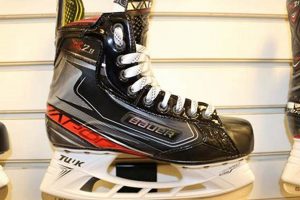
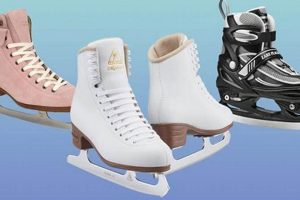
The equipment specifically designed to facilitate a woman’s initial experience on the ice is crucial for developing comfort and confidence. These implements cater to the unique anatomical differences and learning curves often encountered by individuals new to the sport. They represent the foundational tools for acquiring fundamental skating skills.
Properly fitted and supportive footwear enhances stability, reduces the risk of injury, and promotes efficient movement. Historically, advancements in materials and construction techniques have led to increasingly comfortable and performance-oriented options, enabling a more positive and encouraging introduction to the activity. This, in turn, contributes to increased participation and enjoyment of ice skating.
The subsequent discussion will address key features to consider when selecting appropriate equipment, encompassing aspects such as boot construction, blade characteristics, and proper sizing. This information aims to provide a comprehensive understanding of the factors that contribute to a successful and enjoyable initial experience on the ice.
Essential Considerations for Novice Female Ice Skaters
Selecting appropriate equipment is paramount for a positive and safe introduction to ice skating. The following guidance outlines critical factors to consider when choosing suitable footwear.
Tip 1: Prioritize Proper Fit: Ill-fitting footwear can impede progress and lead to discomfort or injury. Ensure the boots are snug but not constricting, allowing for minimal movement of the heel while providing ample toe room. Professional fitting services are recommended.
Tip 2: Evaluate Ankle Support: Adequate ankle support is crucial for maintaining balance and preventing instability, especially during initial learning stages. Seek out models with reinforced ankle padding and a sufficiently stiff boot structure.
Tip 3: Consider Blade Quality: While high-performance blades are not necessary for beginners, the quality and sharpness of the blade significantly affect performance. Select models with carbon steel blades which offer adequate edge control.
Tip 4: Examine Boot Material: Leather boots offer greater moldability and comfort over time, while synthetic materials provide enhanced water resistance and durability. Consider the intended frequency of use when selecting boot material.
Tip 5: Lace Correctly: The manner in which the skates are laced influences the degree of support and control offered. Ensure laces are tightened firmly around the ankle area to maximize stability, while allowing for flexibility in the lower foot.
Tip 6: Seek Professional Advice: Consult with experienced skate technicians or instructors to receive personalized recommendations based on individual skill level, foot shape, and skating goals. Their expertise can prove invaluable in selecting the optimal equipment.
Choosing appropriate equipment can significantly influence the initial learning experience, fostering confidence and enjoyment. Investing time in selecting suitable footwear is a fundamental step towards mastering fundamental skating skills.
The subsequent sections will delve into advanced techniques and maintenance procedures, further enhancing the skater’s ability and enjoyment.
1. Proper Fit

Achieving an optimal fit is paramount when selecting ice skates for novice female skaters. This is not merely a matter of comfort; it directly impacts performance, safety, and the overall learning experience. Properly fitted skates maximize control, minimize the risk of injury, and promote efficient energy transfer during skating.
- Heel Stability
Heel lift within the boot impedes power transfer and compromises balance. A secure heel fit minimizes movement, allowing for more precise control of the blade. Improper fit in this area often results in blisters and inefficient skating technique. A snug heel pocket is essential for beginner ice skates.
- Toe Room Allowance
Adequate toe room, typically allowing for slight wiggle room, is crucial. Overly tight skates constrict circulation, leading to discomfort and potential numbness. Conversely, excessive space compromises control and stability. A professional fitting ensures appropriate toe room for individual foot shapes.
- Ankle Support Integration
The fit around the ankle is inextricably linked to overall support. The boot must contour to the ankle without creating pressure points. Gaps in this area diminish support, increasing the risk of ankle strain or sprains. Proper lacing techniques, in conjunction with a well-fitted boot, contribute to optimal ankle stabilization.
- Arch Support Considerations
The foot’s arch plays a crucial role in distributing weight and absorbing impact. A properly fitted skate should complement the natural arch structure, providing adequate support without causing undue pressure. Insufficient arch support can lead to foot fatigue and discomfort, hindering the skater’s progress.
These facets collectively underscore the critical nature of proper fit in ice skates for women commencing their skating journey. Neglecting these aspects can lead to a compromised experience, increased risk of injury, and hindered skill development. Consulting with a professional fitter and investing time in finding the correct size and model are essential steps in ensuring a positive introduction to the sport.
2. Ankle Support

Ankle support represents a critical element in ice skates designed for novice female skaters. It is a primary determinant of stability, balance, and injury prevention, directly impacting the skater’s ability to learn and progress safely.
- Lateral Stability
Lateral stability prevents excessive inward or outward rolling of the ankle, a common occurrence for beginners lacking refined muscle control. Stiff boot construction and reinforced ankle padding mitigate this instability, reducing the risk of sprains. An example is a skater maintaining a balanced glide without the ankle buckling inwards.
- Forward Flex Control
Controlled forward flex allows for proper knee bend and weight distribution, essential for effective skating technique. Excessive flex compromises balance, while insufficient flex restricts movement. A balanced forward flex promotes efficient stride and glide mechanics.
- Impact Absorption
Beginner skaters often experience falls and impacts. Adequate ankle padding absorbs shock, reducing the likelihood of bruising and discomfort. Dense foam or gel padding around the ankle provides crucial protection during initial learning phases.
- Proprioceptive Feedback
Ankle support influences the skater’s sense of balance and body position. A well-designed boot provides proprioceptive feedback, allowing the skater to make subtle adjustments and maintain equilibrium. This enhanced awareness is crucial for developing confident and controlled movements.
In summary, appropriate ankle support is fundamental to the design of ice skates for women new to the sport. It not only protects against injury but also facilitates the development of essential skills and confidence on the ice. Prioritizing ankle support during skate selection is a crucial step in ensuring a positive and safe learning experience.
3. Blade Quality
The blade’s quality on ice skates intended for novice female skaters directly influences initial progress and safety. A higher-quality blade typically features enhanced steel hardness and a more precise edge, allowing for improved grip and control on the ice surface. This translates to increased stability and reduced risk of slips, especially during fundamental maneuvers such as forward motion, stops, and basic turns. Conversely, inferior blades, often characterized by dull edges and inconsistent steel composition, hinder performance. For example, a skater attempting a simple stop might find it difficult to control the blade’s direction, leading to a fall. Blade quality, therefore, serves as a foundational element in the overall success and safety of the learning process.
Moreover, blade quality affects the frequency and type of maintenance required. Higher-grade steel retains its edge sharpness for a longer duration, minimizing the need for frequent sharpening. This not only saves time and expense but also ensures consistent performance throughout the learning period. Skates with low-quality blades, requiring more frequent sharpening, can introduce variability in edge quality, potentially disrupting the skater’s developing technique. In a practical setting, a skater with poorly maintained blades may experience inconsistent glide and difficulty executing precise turns, leading to frustration and hindering skill acquisition. Blade quality directly affects control during the key skills beginner needs to learn.
In summation, the quality of the blade is a crucial, albeit often overlooked, aspect of ice skates for women embarking on their skating journey. While not necessarily requiring professional-grade blades, investing in skates with reasonably high-quality blades significantly enhances safety, facilitates skill development, and reduces maintenance demands. Understanding this relationship allows for informed decisions when selecting equipment, ultimately contributing to a more positive and fulfilling introductory experience on the ice.
4. Comfort Level
Comfort level represents a pivotal factor in the selection of ice skates for female beginners. It directly influences the willingness to engage in practice, the duration of skating sessions, and ultimately, the rate of skill acquisition. Discomfort can lead to premature cessation of activity, negatively impacting the learning process.
- Internal Boot Padding
The type and distribution of internal padding significantly affect comfort. Adequate cushioning around the ankle, heel, and toes prevents pressure points and chafing. Insufficient padding can lead to blisters and discomfort, hindering performance. The use of memory foam or gel inserts can enhance the comfort level, especially during extended skating sessions. For example, skaters with wider feet require strategically placed padding to alleviate pressure on the sides of the foot.
- Boot Material Flexibility
The flexibility of the boot material contributes to overall comfort. Stiff boots provide greater support but can restrict movement and cause discomfort, particularly during the initial break-in period. More flexible materials offer increased freedom of movement but may compromise support. A balance between support and flexibility is essential for beginner skates. Boot material flexibility may influence the ability to learn edges.
- Moisture Management
Prolonged skating generates heat and perspiration within the boot. Effective moisture management is crucial for maintaining comfort and preventing the growth of bacteria. Moisture-wicking liners and breathable materials help to keep feet dry and comfortable, reducing the risk of blisters and odor. Poor moisture management leads to feet feeling cold and damp while skating.
- Proper Lacing System
An effective lacing system allows for customized fit and support. Proper lacing distributes pressure evenly across the foot, preventing localized discomfort. Inadequate lacing can result in either excessive tightness or insufficient support, both of which negatively impact comfort. Using lacing techniques to increase ankle support will help the skater improve comfort.
These facets underscore the importance of comfort as a fundamental consideration in ice skate selection for women new to the sport. Skates prioritizing comfort enhance the overall experience, increasing the likelihood of continued participation and successful skill development. When comfort is assured beginners’ skating will be enhanced.
5. Skate Type
The selection of an appropriate skate type is a crucial determinant in the experience of women’s ice skates for beginners. Different skate types, characterized by variations in blade design, boot construction, and intended use, directly influence stability, maneuverability, and overall ease of learning. Recreational skates, for example, typically feature a more forgiving blade profile and a softer boot, prioritizing comfort and ease of use for casual skating. These characteristics contribute to a more stable and less demanding initial experience, reducing the likelihood of frustration and injury. Conversely, figure skates, with their longer blades and toe picks, are designed for complex maneuvers and jumps, rendering them unsuitable for novice skaters lacking foundational skills. The incorrect skate type can lead to difficulty in maintaining balance and performing basic movements. This is because of the blade designed for experienced skaters, a beginner might struggle when using figure skates.
The impact of skate type extends beyond initial stability. As a beginner progresses, the selected skate type shapes the development of specific skills. For example, individuals aspiring to recreational skating benefit from the inherent stability and comfort of recreational skates, allowing them to focus on improving balance, stride, and basic turns. Conversely, if one anticipates moving toward ice hockey, purchasing recreational skates instead of hockey skates will be a hindering, not helping, skill for beginner skater. Hockey skates and figure skates aren’t suited for general use; choosing the correct skates will have an effect on the skills that a beginner has.
In summary, the relationship between skate type and the experience of women’s ice skates for beginners is one of direct cause and effect. Choosing the wrong type of skate introduces unnecessary challenges and can impede skill development. Selecting a skate type aligned with individual goals and skill level is essential for maximizing comfort, safety, and enjoyment during the initial stages of learning. Therefore, carefully considering skate type contributes to a more positive and successful introduction to ice skating.
Frequently Asked Questions
The following addresses prevalent inquiries concerning ice skates for women who are new to the sport. These answers are designed to provide clarity and informed decision-making.
Question 1: What distinguishes women’s beginner ice skates from other types?
Women’s beginner ice skates are typically characterized by enhanced ankle support, increased internal padding, and a blade profile designed for stability. These features are intended to facilitate learning and minimize the risk of injury.
Question 2: How should ice skates fit to ensure optimal performance and safety?
Ice skates should fit snugly, with minimal heel lift and adequate toe room. The ankle should be securely supported without excessive pressure. Professional fitting services are recommended to ensure proper sizing and fit.
Question 3: Is there a specific type of ice skate recommended for beginners?
Recreational ice skates are generally recommended for beginners due to their enhanced comfort, stability, and ease of use. These skates are designed for casual skating and basic skill development.
Question 4: How often should beginner ice skates be sharpened?
The frequency of sharpening depends on usage and ice conditions. It is advisable to sharpen skates when the blade edges become dull, resulting in decreased grip and control. A professional sharpening service is recommended.
Question 5: Can rental ice skates be suitable for beginner skaters?
Rental skates may be suitable for initial trials, but their condition and fit can vary significantly. Investing in properly fitted personal skates is recommended for regular practice and skill development.
Question 6: What essential maintenance practices should be followed for beginner ice skates?
Essential maintenance includes drying the blades after each use to prevent rust, using blade guards for protection when walking off the ice, and storing skates in a dry, well-ventilated area.
In summary, understanding the specific features, proper fit, and maintenance requirements of women’s beginner ice skates is crucial for a positive and safe introduction to the sport. Informed selection and care contribute to enhanced skill development and enjoyment.
The subsequent section will delve into advanced techniques and tips for continued skill improvement.
Conclusion
This discourse has detailed critical aspects of women’s ice skates for beginners. The analysis spanned the necessity of proper fit and support, the impact of blade quality, the significance of comfort, and the importance of selecting the appropriate skate type. Each factor contributes directly to the skater’s experience, safety, and potential for skill development. Failure to address these considerations can lead to compromised performance, increased risk of injury, and diminished enjoyment of the sport.
The understanding and implementation of these principles represent a foundational step in facilitating a positive and productive introduction to ice skating. By prioritizing informed selection and proper maintenance, individuals entering the world of ice skating can mitigate challenges, maximize their learning potential, and cultivate a lasting appreciation for the activity. Therefore, diligence in these matters is not merely preferential but essential for a successful and fulfilling initial experience.