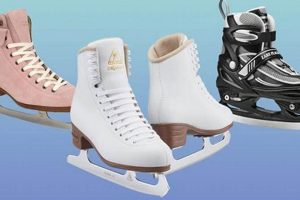
These specialized boots are designed for recreational skaters, offering a blend of comfort and support. Characterized by their soft construction, these skates typically feature a cushioned lining and flexible ankle support, which contrasts sharply with the rigid structure of figure skating boots. The design prioritizes ease of use and minimizes the break-in period often associated with higher-end models.
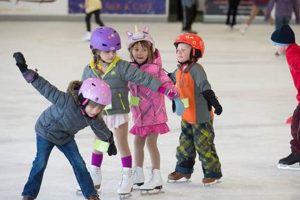
The popularity of these skates stems from their accessibility and suitability for beginners or casual users. They provide a forgiving learning experience, allowing individuals to develop their skills without the discomfort or limitations of more performance-oriented equipment. Over time, these skates have become a staple in rental fleets and at public skating rinks, introducing countless individuals to the sport.
This article will delve into the specific features, advantages, and considerations related to selecting appropriate footwear within this category, and furthermore examine their maintenance and longevity, enabling readers to make informed decisions.
Selection and Care Tips for Softec Ice Skates
Proper selection and maintenance are crucial for maximizing the lifespan and performance of these recreational ice skates. The following tips provide guidance on choosing and caring for these skates.
Tip 1: Determine Proper Size: Accurate sizing is paramount. Measure the skater’s foot while wearing skating socks, then consult the manufacturer’s sizing chart. Overly tight or loose skates can lead to discomfort and impede performance.
Tip 2: Inspect Ankle Support: Evaluate the level of ankle support. While Softec models prioritize flexibility, adequate support is still necessary to prevent ankle strain, particularly for novice skaters. Assess the stiffness of the boot’s ankle area before purchase.
Tip 3: Check Blade Quality: Examine the blades for any signs of damage or rust. Ensure the blades are securely attached to the boot. Higher-quality blades will hold an edge longer and require less frequent sharpening.
Tip 4: Dry After Each Use: After each skating session, thoroughly dry the boots, both inside and out. Remove the liners, if possible, to facilitate drying. Moisture can degrade the materials and lead to unpleasant odors.
Tip 5: Protect the Blades: Always use blade guards when walking off the ice. These guards protect the blades from damage and prevent dulling. Fabric soakers are recommended for storing the skates to absorb residual moisture.
Tip 6: Sharpen Blades Regularly: Consistent blade sharpening is essential for maintaining optimal performance. The frequency of sharpening depends on usage but should be performed by a qualified professional.
These guidelines promote both safety and longevity. Attention to detail during selection and consistent care will ensure a positive skating experience and extend the useful life of the equipment.
The subsequent sections will explore advanced considerations for customization and repair of these skates.
1. Comfort
The inherent design of these recreational ice skates places significant emphasis on user comfort. This focus distinguishes them from performance-oriented skates, where responsiveness and precision often take precedence. The integration of plush, cushioned linings directly addresses the need for a comfortable fit, mitigating the potential for blisters and pressure points that can arise during extended use. The relaxed ankle support allows for a greater range of motion, further enhancing the overall comfort level, especially for novice skaters still developing their technique.
The influence of comfort extends beyond mere physical sensation; it directly impacts the learning curve and enjoyment of skating. A comfortable skate encourages longer practice sessions and reduces the likelihood of discouragement due to discomfort. Rental programs at skating rinks frequently utilize these models, recognizing their broad appeal and suitability for individuals with varying levels of experience. The immediate gratification of a comfortable fit contributes to a positive initial experience, fostering a greater interest in the sport.
Therefore, comfort serves as a foundational element in the design and application of these specialized skates. It is not merely a secondary feature but a critical component that facilitates accessibility and promotes sustained engagement with the activity. While durability and performance remain important considerations, the prioritization of comfort is undeniably a key factor in their widespread adoption and success within the recreational skating market.
2. Flexibility

In the context of recreational ice skates, flexibility refers to the degree of give and range of motion permitted by the boot’s construction, particularly around the ankle area. The inherent flexibility of these skates is a designed characteristic, contrasting starkly with the rigid support systems found in figure or hockey skates. This design choice directly affects the skater’s ability to move and maneuver, especially at lower skill levels. For instance, a novice skater benefits from the forgiving nature of a flexible boot, allowing for easier knee bend and balance adjustments during initial learning stages. Conversely, excessive rigidity can hinder natural movement and impede skill development.
The practical significance of flexibility in this product category extends to reducing the break-in period typically associated with more structured ice skates. The softer materials and looser construction conform more readily to the skater’s foot, minimizing discomfort and the potential for blisters. This immediate comfort factor is a major selling point, especially for rental skates and casual users. Furthermore, the increased range of motion can enhance the skater’s ability to perform basic maneuvers such as forward strides, stops, and simple turns, leading to a more enjoyable and confidence-building experience.
While beneficial for beginners, it’s important to note that excessive flexibility can compromise support and stability as the skater advances. Therefore, understanding the appropriate balance between flexibility and support is crucial when selecting this type of skate. As skills progress, a skater may require increased ankle support to execute more complex maneuvers, potentially necessitating a transition to a more structured skate model. The key takeaway is that the flexibility inherent in these skates is a targeted feature catering to the specific needs of recreational skaters and beginners, offering a comfortable and forgiving platform for initial skill development.
3. Blade Quality
Blade quality significantly influences the performance and user experience of recreational ice skates. The blades affixed to these skates, though often less sophisticated than those on figure or hockey models, directly impact glide, edge control, and stopping ability. Inferior blade steel dulls quickly, requiring frequent sharpening and diminishing the skater’s ability to maintain a stable edge. This directly affects a beginner’s confidence and ability to learn fundamental skills. For example, a rental pair with poorly maintained blades will be more challenging to use than a personal pair with properly sharpened, higher-quality blades.
The type of steel and manufacturing process dictate the blade’s hardness, edge retention, and resistance to corrosion. While high-end blades necessitate meticulous care, even recreational blades benefit from regular maintenance. Rust, nicks, and burrs compromise performance, necessitating proper drying and blade guards when not in use. Furthermore, the blade’s profile and radius of hollow affect maneuverability. A shallow radius of hollow allows for easier turning, while a deeper radius provides greater grip. The selection of an appropriate radius depends on the skater’s skill level and desired performance characteristics.
Ultimately, while recreational skates prioritize comfort and ease of use, the blade quality remains a crucial factor in determining the overall skating experience. Neglecting blade maintenance or purchasing skates with substandard blades will undermine the benefits of a comfortable boot. The investment in quality blades and their upkeep translates directly to enhanced enjoyment, skill progression, and safety on the ice. The interplay between blade quality and boot design dictates the performance capabilities of this footwear.
4. Ankle Support
Ankle support is a critical design element influencing the stability and control afforded by recreational ice skates. Its role is particularly noteworthy in models designed for beginners or casual skaters, where the balance between flexibility and support impacts the learning curve and overall user experience.
- Level of Support and Skill Level
The degree of ankle support directly correlates with the skater’s proficiency. Novice skaters often benefit from moderate support, allowing for some ankle flexibility to aid in balance and maneuverability. However, insufficient support can lead to ankle strain, while excessive rigidity can hinder the development of proper skating technique. As skills progress, skaters may require firmer support to execute more complex maneuvers, potentially necessitating a transition to different skate types.
- Construction Materials and Design
The construction of the boot’s ankle area dictates its supportive capabilities. Materials ranging from reinforced synthetic fabrics to molded plastics contribute to the overall structure and stiffness. Design elements, such as padded collars or adjustable straps, further refine the fit and level of support. These design features are carefully calibrated to provide a balance between comfort and stability, catering to the needs of recreational users.
- Impact on Performance and Safety
Adequate ankle support is crucial for maintaining proper alignment and preventing injuries. It enables the skater to effectively transfer weight and control edge pressure, enhancing their ability to turn, stop, and maintain balance. Insufficient support increases the risk of ankle sprains or strains, particularly when navigating uneven ice surfaces or attempting more challenging maneuvers. Therefore, selecting skates with appropriate ankle support is paramount for ensuring both performance and safety.
- Comparison with Figure and Hockey Skates
Recreational ice skates offer a significantly different level of ankle support compared to specialized figure or hockey skates. Figure skates feature rigid ankle support to facilitate complex jumps and spins, while hockey skates prioritize lateral stability for aggressive movements and quick turns. Recreational skates occupy a middle ground, offering a moderate level of support that balances flexibility and stability for general recreational use.
The interplay between ankle support, materials, and design influences the overall performance and safety profile of recreational ice skates. The selection process must consider the skater’s skill level and intended use to ensure optimal comfort, control, and injury prevention. This element, therefore, is a primary differentiator in selecting recreational footwear.
5. Size Accuracy
Size accuracy is a foundational element in achieving optimal performance and comfort in recreational ice skates. The boot’s fit directly influences stability, control, and the skater’s ability to transfer energy efficiently to the ice. Inaccurately sized skates can lead to discomfort, blisters, and compromised performance, especially during extended use. For example, a boot that is too large allows the foot to move excessively, hindering control and potentially causing blisters due to friction. Conversely, a boot that is too small restricts circulation and causes painful pressure points, impeding the skater’s ability to maintain balance and execute maneuvers.
Precise sizing is particularly crucial in recreational models due to their emphasis on comfort and ease of use. Unlike high-performance skates, which often prioritize a snug, responsive fit over immediate comfort, recreational skates aim to provide a comfortable experience from the outset. Therefore, accurate sizing becomes even more critical in mitigating discomfort and ensuring a positive initial experience. Reputable manufacturers provide detailed sizing charts that consider both foot length and width, guiding users toward the appropriate size. It is advisable to measure the skater’s foot while wearing the type of socks typically worn for skating and to consult the specific sizing chart for the manufacturer and model in question.
Proper sizing ensures that the skater’s foot is securely and comfortably positioned within the boot, maximizing control and minimizing the risk of discomfort or injury. This understanding is essential for both individuals purchasing their own skates and rental facilities providing skates to the public. Size accuracy contributes directly to safety, performance, and overall enjoyment of recreational ice skating. The correct size ensures the best possible experience for recreational ice skates.
6. Maintenance
Consistent upkeep is essential for preserving the performance and extending the lifespan of recreational ice skates. These maintenance practices directly impact the comfort, safety, and overall value of this equipment. Neglecting these procedures can lead to premature degradation and necessitate costly repairs or replacements.
- Blade Care and Sharpening
The blades are the primary point of contact with the ice, directly influencing glide and control. Regular drying after each use prevents rust formation. Blade guards protect the edges when walking off the ice surface. Periodic sharpening by a qualified technician is crucial for maintaining optimal edge quality and ensuring safe, controlled movement.
- Boot Cleaning and Drying
Moisture accumulation inside the boot fosters bacterial growth and material breakdown. After each use, the boot should be thoroughly dried, and the insole removed to facilitate ventilation. Occasional cleaning with a mild detergent can remove dirt and odors. Proper drying and cleaning practices extend the lifespan of the boot’s materials and maintain a hygienic environment.
- Hardware Inspection and Tightening
The rivets and screws securing the blade to the boot can loosen over time, compromising stability. Regular inspection and tightening of these components are essential for maintaining structural integrity. Loose hardware can lead to blade misalignment or detachment, posing a safety hazard.
- Storage Practices
Proper storage protects the skates from damage and environmental factors. Storing the skates in a dry, well-ventilated area prevents moisture buildup and corrosion. Blade soakers absorb residual moisture. Avoiding direct sunlight and extreme temperatures prevents material degradation.
These maintenance procedures, though seemingly simple, are critical for preserving the integrity and performance of recreational ice skates. Consistent attention to these details ensures a safer, more enjoyable skating experience and maximizes the equipment’s lifespan. Proper maintenance of these skates reduces long term cost and increases overall use.
7. Longevity
The lifespan of recreational ice skates is directly influenced by design choices, material quality, and user maintenance habits. These skates, intended for casual use, typically employ softer materials and simpler construction techniques compared to performance-oriented models. This design philosophy prioritizes comfort and affordability, but it can potentially compromise the equipment’s ability to withstand prolonged or intensive use. A direct correlation exists between the quality of materials used in the boot and blade and the overall durability of the skate. For example, a skate utilizing a higher-grade steel blade and a more robust synthetic boot material will generally exhibit greater resistance to wear and tear than a skate constructed from lower-quality components. Consistent blade maintenance, boot cleaning, and proper storage habits significantly impact their useful life.
Various factors contribute to premature wear and tear. Exposure to moisture accelerates corrosion of the blade, diminishing its sharpness and structural integrity. Inadequate drying of the boot after use fosters bacterial growth and material degradation. Improper storage practices, such as leaving the skates in direct sunlight or extreme temperatures, can weaken the materials and compromise the boot’s shape. Regular inspection for loose rivets or screws, coupled with timely repairs, is essential for preventing catastrophic failures and extending the life. Rental facilities, where skates undergo heavy use and often receive less meticulous care, frequently experience a shorter lifespan for their equipment compared to individual owners who prioritize proper maintenance.
Ultimately, the longevity of recreational ice skates is a function of both inherent design characteristics and user responsibility. While manufacturers can enhance durability through material selection and construction techniques, the user plays a crucial role in preserving the equipment’s condition through consistent maintenance practices. Understanding the factors that contribute to wear and tear empowers skaters to make informed decisions regarding care and storage, thereby maximizing the lifespan and ensuring continued safe and enjoyable use. The balance between initial investment and proactive maintenance ensures the long-term value of this equipment.
Frequently Asked Questions
The following questions address common inquiries and concerns regarding these recreational ice skates, providing clarification and guidance.
Question 1: What defines the typical user profile for these particular ice skates?
These skates are designed primarily for recreational skaters and beginners. Their flexible construction and comfortable fit make them suitable for casual use at skating rinks and introductory lessons.
Question 2: How frequently should the blades be sharpened to ensure optimal performance?
The frequency of blade sharpening depends on usage and ice conditions. However, a general guideline is to sharpen after every 20-30 hours of skating. Signs of dullness include difficulty maintaining an edge and a lack of glide.
Question 3: What are the recommended cleaning and storage procedures for these ice skates?
After each use, the boots should be thoroughly dried, both inside and out. Blade guards should be used when walking off the ice. For storage, use blade soakers to absorb moisture and store in a dry, well-ventilated area.
Question 4: How does the level of ankle support compare to that of figure or hockey skates?
These recreational ice skates offer a moderate level of ankle support, balancing flexibility and stability. Figure skates provide rigid support for jumps and spins, while hockey skates prioritize lateral stability for quick movements.
Question 5: Are replacement blades readily available, and what factors should be considered when selecting replacements?
Replacement blades are generally available from various retailers. When selecting replacements, consider the blade’s steel quality, hardness, and compatibility with the boot’s mounting system. Consulting a skate technician is recommended.
Question 6: What are the common indicators that these ice skates require replacement?
Indicators for replacement include irreparable damage to the boot, excessive wear on the blade, persistent discomfort despite proper fitting, and a loss of structural integrity that compromises safety.
Adhering to these guidelines ensures the longevity and optimal performance. Understanding proper usage, care, and maintenance requirements ensures a positive skating experience.
The next section will cover customization options and advanced repair techniques for these ice skates.
Concluding Remarks on Softec Ice Skates
This exploration has detailed various aspects of the footwear, ranging from its design intent and target user to maintenance requirements and indicators of wear. Attention has been given to the importance of comfort, appropriate blade quality, and the balance of ankle support and flexibility in facilitating a positive skating experience, particularly for beginners. Size accuracy, regular maintenance, and appropriate storage further enhance the product’s longevity.
Ultimately, informed selection and diligent upkeep maximize the investment in these recreational ice skates. Recognizing the specific needs and skill level of the skater, coupled with a commitment to consistent care, ensures both safe enjoyment and extended use. Therefore, diligent consideration of these factors is essential for realizing the full potential of these specialized skates.