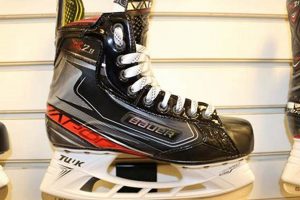
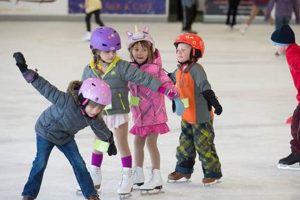
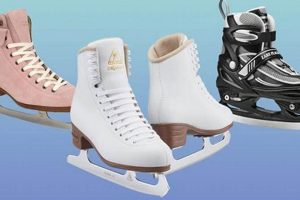
Ice skates available for temporary use are a common provision at ice rinks and recreational skating venues. This service allows individuals to participate in ice skating without incurring the expense of purchasing personal equipment. These skates come in a range of sizes and are typically offered at an hourly or daily rate.
The provision of such skates expands access to the sport of ice skating, making it available to a wider demographic, including tourists, beginners, and those who skate infrequently. Historically, these services have played a crucial role in popularizing ice skating as a leisure activity. The availability of appropriately sized and maintained skates ensures a safer and more enjoyable experience for participants.
The subsequent sections will examine factors to consider when selecting temporary skating footwear, discuss typical maintenance procedures applied to this equipment, and outline considerations for venues offering these services to the public.
Tips for Selecting Rental Ice Skates
Selecting appropriate skating footwear is essential for safety and enjoyment on the ice. The following tips offer guidance for individuals utilizing rental services at ice rinks.
Tip 1: Determine the Correct Size: Ensure the skate fits snugly, but not too tightly. Toes should lightly touch the end of the skate when standing. Loose skates can cause instability and increase the risk of injury.
Tip 2: Inspect for Damage: Prior to use, examine the skates for any visible signs of wear and tear, such as loose blades, damaged laces, or broken buckles. Report any damage to the rental staff immediately.
Tip 3: Check Ankle Support: Proper ankle support is crucial for maintaining balance and preventing ankle sprains. Ensure the skates provide firm support around the ankle joint.
Tip 4: Tighten Laces Securely: Tighten the laces firmly, paying particular attention to the ankle area. Securely fastened laces contribute to ankle stability and overall control.
Tip 5: Walk Around Before Skating: Before stepping onto the ice, walk around in the skates to ensure a comfortable and secure fit. This also allows for adjustment of laces if needed.
Tip 6: Inquire About Skate Type: Different skate types are designed for different skill levels and skating styles. Clarify the intended use of the skates with the rental staff to ensure they are appropriate for the activity.
Selecting well-fitting and properly maintained skating footwear significantly reduces the risk of injury and enhances the overall ice skating experience. Adherence to these guidelines contributes to a safer and more enjoyable recreational activity.
The following section will discuss the maintenance and care practices employed to ensure the quality and safety of skating footwear.
1. Proper Sizing

Proper sizing of ice skates is a fundamental aspect of ensuring user safety, comfort, and performance when utilizing rental services. Inadequate sizing can compromise stability, increase the risk of injury, and detract from the overall skating experience. The following points elaborate on the critical facets of proper skate sizing in the context of rentals.
- Foot Measurement and Skate Selection
Accurate foot measurement is the initial step in selecting appropriate skate size. Rental facilities should provide standardized measuring tools and trained staff to assist patrons in determining their correct size. This minimizes guesswork and reduces the likelihood of selecting skates that are either too large or too small.
- Fit Assessment and Toebox Clearance
After selecting a potential skate size, the user should assess the fit while standing. The toes should lightly touch the end of the skate without being cramped or forced. Excessive toebox clearance can lead to instability and reduced control. A snug, but not restrictive, fit is optimal.
- Ankle Support and Heel Lock
Proper sizing directly influences ankle support and heel lock. If the skate is too large, the ankle may not be adequately supported, increasing the risk of sprains. Similarly, a loose heel can cause slippage, compromising balance and control. The skate should provide firm support around the ankle and secure the heel in place.
- Lacing and Tightening Adjustment
Even with accurate foot measurement, individual foot shapes and preferences can necessitate adjustments to the lacing. Properly sized skates allow for precise tightening, ensuring a secure and comfortable fit without excessive pressure points. Over-tightening to compensate for ill-fitting skates can restrict circulation and cause discomfort.
In conclusion, proper sizing represents a cornerstone of responsible service delivery in the context of skating footwear available for temporary use. Through precise sizing protocols, rental facilities can directly influence skater safety, comfort, and performance. Adhering to these standards is imperative for ensuring a positive and secure recreational environment.
2. Blade Sharpness

Blade sharpness is a critical factor influencing safety, control, and overall experience for users of skating footwear available for temporary use. Insufficiently sharpened blades diminish a skater’s ability to effectively grip the ice, leading to increased risk of falls and difficulty in executing basic maneuvers. Conversely, overly sharp blades can be challenging for novice skaters to manage.
- Impact on Control and Maneuverability
Sharp blades allow skaters to effectively “bite” into the ice, providing the necessary traction for controlled movement and precise turns. Dull blades, on the other hand, tend to slip, making it difficult to maintain balance or execute directional changes. The edge sharpness directly translates into the skater’s capacity for controlled gliding, stopping, and maneuvering.
- Safety Implications and Risk of Injury
Improperly sharpened blades significantly elevate the risk of falls and subsequent injuries. Skaters may struggle to control their speed or stop effectively, leading to collisions or loss of balance. Regular blade maintenance is, therefore, a crucial safety measure for facilities providing such equipment.
- Maintenance Procedures and Sharpening Frequency
Venues must implement a structured blade maintenance program, including regular inspection and professional sharpening. The frequency of sharpening depends on usage levels, ice conditions, and blade material. A log of sharpening dates and blade condition should be maintained to ensure consistent quality and safety.
- User Experience and Satisfaction
Blade sharpness directly impacts the user’s perception of the skating experience. Sharp blades provide a smoother, more responsive feel, enhancing enjoyment and confidence. Dull blades, conversely, can lead to frustration and a diminished sense of control, potentially discouraging future participation.
The multifaceted implications of blade sharpness underscore its importance in the maintenance and management of skating footwear available for temporary use. Maintaining blades at an appropriate level of sharpness requires consistent monitoring, skilled personnel, and adherence to established maintenance protocols. Prioritizing blade sharpness is essential for ensuring skater safety and satisfaction, ultimately contributing to a positive experience for users.
3. Ankle Support
Adequate ankle support is a critical element in the design and selection of skating footwear available for temporary use. The provision of substantial support mitigates the risk of injury and enhances the overall stability and control of the skater. Compromised ankle support can lead to instability, sprains, and an impaired skating experience.
- Rigidity of the Boot Structure
The rigidity of the skate boot directly influences the degree of ankle support offered. Stiffer materials, such as reinforced plastics or composite materials, provide greater stability and resistance to lateral movement. This is particularly important for novice skaters or those with weaker ankles who require enhanced external support to maintain balance. Conversely, overly rigid boots may restrict mobility and comfort for experienced skaters.
- Height of the Boot Cuff
The height of the boot cuff, extending above the ankle joint, is a determinant of support. Higher cuffs offer greater stability by restricting excessive ankle flexion and extension. This design feature is common in recreational skates intended for general use. However, some specialized skates, such as those used in figure skating, may feature lower cuffs to allow for a greater range of motion.
- Lacing Systems and Closure Mechanisms
The lacing system plays a crucial role in securing the skate to the foot and providing customized support. Properly tightened laces, particularly around the ankle area, contribute to stability and prevent excessive movement. Some skates incorporate additional closure mechanisms, such as buckles or straps, to further enhance security and adjustability. Inadequate or improperly fastened lacing can compromise ankle support, even in skates with otherwise suitable structural design.
- Internal Padding and Anatomical Fit
Internal padding and the anatomical fit of the skate contribute to the overall comfort and support experienced by the skater. Padding around the ankle area can cushion the joint and minimize friction, while a contoured fit helps to secure the foot within the skate. Ill-fitting skates, even with adequate structural support, can lead to discomfort and compromised ankle stability.
The integration of rigid boot structures, appropriately high cuffs, secure lacing systems, and anatomically designed padding coalesce to define the degree of ankle support afforded by skating footwear available for temporary use. Careful consideration of these factors is paramount in selecting skates that prioritize safety, comfort, and optimal performance for a diverse range of skaters.
4. Hygiene Practices

The maintenance of rigorous hygiene protocols is paramount in the context of skating footwear available for temporary use. The communal nature of these resources necessitates diligent practices to mitigate the transmission of pathogens and ensure the health and well-being of users.
- Disinfection Procedures
Regular disinfection of skates is critical to eliminate bacteria, fungi, and viruses that may accumulate from repeated use. This involves the application of appropriate disinfecting agents to both the interior and exterior surfaces of the skates. Effective disinfection protocols minimize the risk of skin infections, foot odor, and other hygiene-related concerns.
- Drying and Ventilation
Thorough drying of skates between uses is essential to prevent the growth of microorganisms. Moisture provides a conducive environment for bacteria and fungi to thrive. Adequate ventilation, either through natural air circulation or specialized drying equipment, facilitates the removal of moisture and inhibits microbial growth.
- Sock Policies and Protective Barriers
The implementation of mandatory sock policies or the provision of disposable foot coverings serves as a barrier between the user’s skin and the skate interior. This reduces the direct transfer of sweat and skin cells, minimizing the potential for contamination. Clear communication of sock requirements is crucial for user compliance.
- Cleaning of Liners and Inserts
Removable liners and insoles should undergo periodic cleaning to remove accumulated debris and moisture. These components are particularly susceptible to harboring microorganisms due to their direct contact with the foot. Regular cleaning of liners and insoles contributes to overall skate hygiene and user comfort.
The multifaceted approach to hygiene, encompassing disinfection, drying, protective barriers, and component cleaning, directly impacts the health and safety of users of skating footwear available for temporary use. The implementation of these measures ensures a sanitary environment and minimizes the risk of pathogen transmission, fostering a positive recreational experience.
5. Damage Inspection
Damage inspection forms a critical component in the lifecycle of skating footwear available for temporary use, influencing safety, user experience, and operational efficiency. The rigorous examination of these skates between rentals serves to identify potential hazards and ensure the equipment meets established safety standards. The consequences of neglecting diligent inspections can range from minor discomfort for the user to severe injuries stemming from equipment failure. A loose blade, for instance, can cause a skater to lose control, leading to a fall and potential bone fractures. Similarly, frayed laces or broken buckles can compromise ankle support, increasing the likelihood of sprains.
The effectiveness of damage inspection protocols relies on several factors. Firstly, trained personnel are essential to accurately identify a range of potential issues, from subtle cracks in the boot to worn-down blade edges. Secondly, a standardized inspection checklist ensures consistency in the assessment process, preventing critical elements from being overlooked. Thirdly, a system for documenting and tracking identified damage facilitates timely repairs and maintenance. As an example, a venue might implement a color-coded system to indicate the severity of damage, allowing staff to prioritize repairs and prevent compromised skates from being recirculated. This also allows the venue to track the types of damage that are most common, informing purchasing decisions and maintenance schedules.
In conclusion, consistent and thorough damage inspection is not merely a procedural formality, but rather a fundamental safeguard in the provision of skating footwear available for temporary use. Neglecting this critical process elevates the risk of injuries and operational inefficiencies, potentially impacting the reputation and financial stability of the venue. Prioritizing damage inspection is thus a key element of responsible management and user safety.
Frequently Asked Questions Regarding Rental Ice Skates
The following questions address common inquiries concerning the use, maintenance, and safety of ice skates available for temporary use at ice rinks and recreational facilities. The information provided aims to clarify typical procedures and expectations for individuals utilizing such equipment.
Question 1: Are rental ice skates regularly sharpened?
The frequency of blade sharpening varies depending on the venue and usage levels. Reputable establishments maintain scheduled sharpening protocols to ensure adequate blade sharpness for safe and effective skating. Patrons may inquire about the sharpening schedule prior to use.
Question 2: How are rental ice skates sanitized?
Following each use, such equipment typically undergoes a cleaning and disinfection process. This may involve the application of disinfectant sprays or wipes to the interior and exterior of the boot. Some venues may also employ drying systems to prevent bacterial growth. However, users may consider wearing socks as an additional hygienic measure.
Question 3: What sizes of rental ice skates are typically available?
Most venues offer a comprehensive range of sizes to accommodate a diverse clientele, from children to adults. Sizes are generally indicated using standard shoe size conventions. Staff assistance is typically available to ensure proper fitting and selection of the correct size.
Question 4: Is there a limit to the rental duration?
Rental durations are generally determined by the venue’s operational policies. Hourly or daily rental rates are common. Extended rental periods may be available under specific circumstances, subject to the venue’s discretion and applicable fees.
Question 5: What should be done if rental ice skates are damaged?
Any damage to the skates, such as loose blades, broken buckles, or frayed laces, should be reported to the rental staff immediately. Under no circumstances should a damaged skate be used, as this poses a significant safety risk. The venue is responsible for providing a replacement or alternative solution.
Question 6: Are there different types of rental ice skates for different skill levels?
Some venues may offer a selection of skates tailored to varying skill levels. For example, beginner skates may feature more substantial ankle support, while more advanced skates may offer enhanced maneuverability. Inquire with the rental staff to determine the most suitable option based on skill and experience.
In summary, understanding the procedures and precautions associated with skating footwear available for temporary use is crucial for ensuring a safe and enjoyable ice skating experience. Proper fitting, awareness of maintenance practices, and prompt reporting of any damage contribute to a positive outcome.
The subsequent section will delve into considerations for venues offering such services to the public.
Conclusion
This exploration has underscored the multifaceted nature of skating footwear available for temporary use. From proper sizing and blade sharpness to stringent hygiene practices and rigorous damage inspection protocols, each element contributes significantly to the safety, comfort, and overall experience of the skater. Neglecting any of these aspects compromises the integrity of the service and elevates the risk of injury.
The provision of well-maintained and appropriately managed “rental ice skates” is therefore not merely a commercial offering but a critical responsibility. Continued adherence to best practices in maintenance, safety, and hygiene is essential to ensure a positive and secure recreational environment for all participants. Responsible management of these resources fosters wider participation in ice skating and reinforces its enduring appeal as a leisure activity.