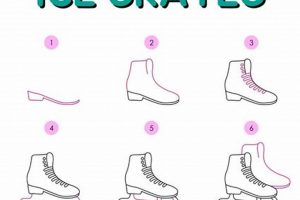
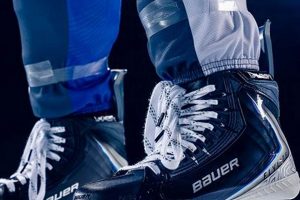
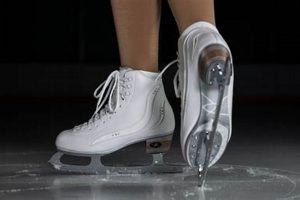
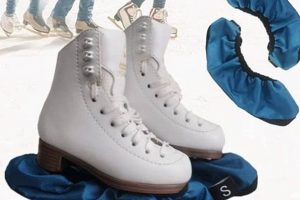
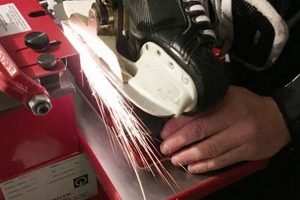
Customized skating footwear refers to ice skates that are modified or created to meet an individual’s specific needs and preferences. These modifications can include adjustments to the boot’s fit, blade type, and overall design. For example, a figure skater might opt for a boot with enhanced ankle support and a blade optimized for jumps and spins.
The significance of tailored skating equipment lies in its ability to enhance performance, comfort, and safety. Historically, skaters relied on standard, mass-produced equipment, often facing challenges related to fit and functionality. Modern techniques and technologies now allow for precise adjustments, reducing the risk of injury and maximizing athletic potential. Benefits include improved stability, responsiveness, and reduced foot fatigue, leading to a more enjoyable and effective skating experience.
The following sections will explore the various aspects of custom skate creation, encompassing materials, fitting processes, blade selection, and the diverse applications within different skating disciplines. Considerations for maintenance and cost will also be addressed.
Guidance on Customized Skating Equipment
The following points offer informed direction when considering individualized skating footwear to optimize comfort and performance.
Tip 1: Accurate Foot Measurement: Ensure precise foot measurements are taken by a qualified professional. Length, width, and arch height are crucial for determining the correct boot size and shape. A poor fit can lead to discomfort and reduced performance.
Tip 2: Professional Boot Fitting: Seek a skilled boot fitter with experience in the relevant skating discipline. They can assess foot biomechanics, identify pressure points, and recommend appropriate boot modifications or models.
Tip 3: Blade Selection Considerations: The type of blade significantly impacts performance. Figure skating blades differ substantially from hockey or speed skating blades. Consult with a coach or experienced skater to determine the optimal blade profile and rocker for the intended use.
Tip 4: Heat Molding and Customization: Utilize heat molding technology to conform the boot to the specific contours of the foot. Additional customization options, such as ankle padding and tongue adjustments, further enhance fit and comfort.
Tip 5: Material Selection: Consider the materials used in boot construction. Leather provides durability and moldability, while synthetic materials offer lighter weight and increased water resistance. The choice depends on individual preferences and skating conditions.
Tip 6: Regular Maintenance: Maintain the customized skates properly. Wipe down blades after each use, protect boots from moisture, and periodically check for loose screws or rivets. Regular maintenance extends the lifespan of the equipment and preserves performance.
Tip 7: Gradual Adjustment Period: Allow for a break-in period when first using the new skates. Initial discomfort is common, but should subside as the boot conforms to the foot. Avoid prolonged use until the skates feel comfortable and supportive.
Following these guidelines maximizes the potential benefits of bespoke skating equipment, leading to improved performance, enhanced comfort, and reduced risk of injury.
The subsequent section will summarize the key advantages of personalized ice skating equipment and reiterate the importance of proper fit and maintenance.
1. Custom boot fitting

Custom boot fitting represents a foundational element in the creation of personalized ice skates. The process addresses the inherent variability in foot anatomy, ensuring that the skate boot conforms precisely to the individual’s foot. Without this precise fit, skaters may experience discomfort, pressure points, and compromised stability, directly affecting their performance and increasing the risk of injury. The customization process often begins with detailed foot measurements, followed by heat molding or other techniques to adapt the boot’s shell to the foot’s contours. For example, a skater with bunions may require specific adjustments to the boot’s width in that area, while another with high arches might benefit from customized insole support.
The importance of custom fitting extends beyond basic comfort. In disciplines such as figure skating and ice hockey, where precise movements are paramount, a properly fitted boot provides optimal energy transfer and responsiveness. A skater can execute complex maneuvers with greater control and efficiency when the boot functions as a seamless extension of the foot. Conversely, a poorly fitted boot can lead to energy loss, compromised technique, and a higher risk of ankle or foot injuries. Elite-level skaters often undergo rigorous boot fitting sessions with experienced technicians to ensure that their skates meet their specific needs and performance demands.
In summary, custom boot fitting is a critical, inextricable component of ice skate customization. It addresses anatomical variances, enhances performance capabilities, and minimizes the risk of injury. While off-the-shelf skates may offer a basic level of functionality, custom-fitted options provide a significant advantage for skaters seeking optimal comfort, control, and safety. Understanding this connection between fit and performance is essential for making informed decisions about ice skate selection and customization.
2. Blade alignment

Blade alignment, a critical component of personalized ice skates, directly influences a skater’s balance, edge control, and overall performance. Misalignment, even slight, can induce compensatory movements that lead to fatigue, inefficiency, and an increased risk of injury. In essence, the blade must be positioned precisely beneath the skater’s center of gravity to facilitate optimal force transfer and stability. Achieving accurate alignment necessitates a thorough understanding of foot biomechanics and skating technique. For example, a skater who consistently leans to one side may require lateral adjustments to the blade position to correct this imbalance and promote a more neutral stance. Failure to address such issues can perpetuate flawed movement patterns and hinder progress.
The process of aligning the blade involves careful observation and iterative adjustments. A skilled skate technician will typically assess the skater’s posture, gait, and skating style to identify any areas of misalignment. Adjustments may involve shimming the blade, repositioning it laterally, or modifying the pitch (forward/backward angle). The specific adjustments required will vary depending on the skater’s individual needs and the demands of their chosen discipline. For instance, figure skaters often require precise blade alignment to execute complex jumps and spins, while hockey players may prioritize blade alignment for powerful strides and quick turns. This attention to detail in alignment is what elevates personalized ice skates to a performance-enhancing tool rather than just a piece of equipment.
In conclusion, blade alignment is an indispensable aspect of personalized ice skates. Its precise execution directly impacts a skater’s balance, control, and injury risk. Challenges in achieving optimal alignment often stem from individual biomechanical variations and the dynamic nature of skating. By recognizing the significance of blade alignment and investing in professional fitting services, skaters can unlock their full potential and mitigate potential risks associated with misalignment. This highlights the importance of viewing personalized ice skates as a system where each component is optimized for individual needs.
3. Ankle support
Adequate ankle support is paramount in ice skates, influencing stability, control, and injury prevention. Within the context of customized skating equipment, ankle support extends beyond standard design, adapting to individual anatomical variations and skating styles. Insufficient support can lead to ankle instability, increasing the risk of sprains and hindering performance. Conversely, excessive rigidity can restrict movement, impeding agility and contributing to discomfort. Customization aims to strike an optimal balance, providing necessary stability without compromising flexibility.
Customization of ankle support in ice skates involves various methods. These may include heat molding, padding adjustments, and the incorporation of specialized materials to reinforce specific areas of the boot. For example, skaters with pronated ankles might benefit from medial reinforcement, while those requiring greater range of motion may opt for softer materials around the ankle joint. Professional hockey players, often subjected to high-impact collisions, frequently utilize customized ankle support systems to minimize the risk of injury and maintain optimal performance. Similarly, figure skaters may require varying degrees of support depending on the complexity of their routines and individual biomechanics.
In summary, ankle support is a critical, customizable aspect of skating equipment. Optimal ankle support contributes to enhanced stability, control, and injury prevention. Recognizing the relationship between individual needs and the specific design features of personalized ice skates is essential for optimizing performance and ensuring skater safety. Ongoing research and development in materials and fitting techniques continue to improve the effectiveness of customized ankle support systems in various skating disciplines.
4. Heat molding

Heat molding, within the context of customized skating equipment, is a thermoforming process that enhances the fit and comfort of the skate boot. It involves heating the boot’s shell, rendering it pliable, and then molding it to the individual’s foot. This procedure allows for a more precise and personalized fit compared to off-the-shelf skates.
- Enhanced Anatomical Conformity
Heat molding addresses anatomical variations in foot shape. The process allows the skate boot to conform to bunions, bony prominences, and other irregularities, reducing pressure points and enhancing overall comfort. For example, a skater with a wider forefoot can have the boot molded to accommodate this dimension, preventing discomfort and potential blisters. This precise fit leads to improved performance through better energy transfer and reduced foot fatigue.
- Improved Energy Transfer
A snug, properly fitted skate boot maximizes energy transfer from the skater’s foot to the blade. Heat molding ensures that the foot is securely held in place, minimizing slippage and wasted energy. This is especially critical in disciplines like speed skating and hockey, where efficient strides are essential for maximizing speed and agility. The improved connection between foot and skate enables more powerful and precise movements.
- Customized Ankle Support
Heat molding can be used to customize the ankle support provided by the skate boot. By carefully molding the ankle area, technicians can create a more secure and supportive fit, reducing the risk of ankle injuries. This is particularly important for figure skaters, who require a high degree of ankle stability for executing complex jumps and spins. The ability to tailor the ankle support ensures that the skater has the necessary stability without compromising flexibility or range of motion.
- Reduction of Break-In Period
Heat molding significantly reduces the break-in period associated with new skates. The thermoforming process allows the boot to conform to the foot more quickly, minimizing the discomfort and potential blisters that can occur during the initial stages of use. This allows skaters to start performing at their best more quickly, without the need for extensive break-in sessions. The shortened break-in period enhances the overall skating experience and reduces the risk of injury.
The facets of heat moldinganatomical conformity, energy transfer optimization, tailored ankle support, and a shortened break-in timeframeestablish its integral relationship with bespoke skating equipment. This thermoforming procedure allows for a customized interface, ultimately contributing to heightened comfort, diminished injury potential, and elevated performance.
5. Material selection

Material selection in ice skate construction is a foundational element directly impacting performance, durability, and comfort. Customized skates necessitate careful consideration of materials to meet individual requirements, skating style, and environmental conditions. The properties of the chosen materials influence critical aspects of the skate, from energy transfer and responsiveness to thermal regulation and longevity.
- Boot Shell Composition
The boot shell material determines the skate’s rigidity, support, and overall weight. Options range from traditional leather, known for its moldability and durability, to advanced synthetic composites, offering lighter weight and enhanced water resistance. High-performance skaters may opt for carbon fiber shells to maximize energy transfer and minimize weight, while recreational skaters may prefer more forgiving materials that prioritize comfort over peak performance. The selected material dictates the level of ankle support and the skater’s ability to execute precise movements.
- Liner Materials
The liner, in direct contact with the skater’s foot, is crucial for comfort and moisture management. Common liner materials include foam, microfiber, and thermo-moldable polymers. High-end skates often feature multi-layered liners that combine cushioning, support, and breathability. Thermo-moldable liners can be customized to conform precisely to the skater’s foot, eliminating pressure points and enhancing overall fit. Moisture-wicking materials are essential for preventing sweat buildup, which can lead to discomfort, blisters, and bacterial growth.
- Blade Steel Quality
The quality of the steel used in the skate blade directly affects its edge retention, sharpness, and resistance to corrosion. High-carbon steel blades offer superior edge hardness and durability compared to stainless steel blades. However, they also require more frequent sharpening and careful maintenance to prevent rust. The blade’s steel composition impacts its ability to maintain a clean edge, which is crucial for precise gliding, turning, and stopping. Competitive skaters often invest in high-end blades made from specialized steel alloys to maximize performance.
- Outsole Construction
The outsole, connecting the boot to the blade, plays a critical role in energy transfer and stability. Common outsole materials include thermoplastic polyurethane (TPU) and carbon fiber composites. TPU outsoles provide good shock absorption and flexibility, while carbon fiber outsoles offer superior rigidity and energy transfer. The outsole’s design and construction also affect the skate’s overall weight and balance. Skaters seeking maximum performance often prioritize lightweight outsoles that minimize energy loss and enhance agility.
The interplay of these material choices determines the performance characteristics of personalized ice skates. Selecting appropriate materials for each component allows for the creation of skates tailored to individual needs, ensuring optimal comfort, performance, and longevity. The relationship between material properties and skating performance emphasizes the need for expert guidance in selecting materials for customized skating equipment, particularly for competitive athletes seeking every possible advantage.
6. Performance Enhancement
Within the realm of competitive ice sports, performance enhancement is inextricably linked to the precision and customization of equipment. Tailored skating footwear, designed to meet the unique biomechanical and performance demands of individual athletes, plays a pivotal role in maximizing efficiency, agility, and control.
- Optimized Energy Transfer
Customized ice skates facilitate efficient energy transfer from the skater’s body to the ice. A properly fitted boot, molded to the individual’s foot contours, minimizes energy loss due to slippage or friction. This optimized connection allows the skater to generate more power with each stride, enhancing speed and endurance. For instance, speed skaters often utilize custom carbon fiber boots, known for their rigidity and lightweight properties, to maximize energy transfer and minimize wasted effort.
- Enhanced Agility and Control
Precise blade alignment, a key feature of personalized ice skates, directly impacts a skater’s agility and control. By positioning the blade optimally beneath the skater’s center of gravity, technicians can improve balance, edge control, and overall maneuverability. This is particularly critical in figure skating, where complex jumps and spins require precise blade control. Figure skaters often undergo rigorous blade alignment procedures to ensure optimal performance and minimize the risk of injury.
- Reduced Fatigue and Injury Risk
Personalized ice skates can significantly reduce fatigue and the risk of injury by providing customized support and cushioning. Properly fitted boots minimize pressure points and prevent chafing, reducing discomfort and allowing skaters to train for longer periods. Customized ankle support systems can also enhance stability and prevent ankle sprains, a common injury in ice sports. By addressing individual anatomical variations and skating styles, customized skates contribute to overall skater well-being and reduce the likelihood of performance-limiting injuries.
- Improved Proprioception and Responsiveness
A well-fitted skate enhances a skater’s proprioception, or sense of body position in space. With a more secure and responsive connection to the ice, skaters can react more quickly to changing conditions and execute movements with greater precision. This is particularly important in hockey, where split-second decisions and rapid changes in direction are essential for success. Customized skates provide the skater with a heightened sense of control and responsiveness, enabling them to perform at their peak.
The connection between performance enhancement and personalized ice skates stems from the meticulous tailoring of equipment to individual athletic requirements. From maximizing energy transfer to reducing injury risk, customized skates offer tangible benefits that can elevate performance across various ice sports. While off-the-shelf options may suffice for recreational skating, competitive athletes increasingly rely on personalized equipment to gain a competitive edge and optimize their potential.
Frequently Asked Questions
The following addresses common inquiries regarding individualized skating footwear. Information presented clarifies key aspects related to the selection, fitting, and maintenance of custom skates.
Question 1: What is the typical cost associated with personalized ice skates compared to standard, off-the-shelf options?
Personalized ice skates generally incur a higher initial investment than standard models. The price reflects the custom fitting process, specialized materials, and skilled labor involved in their creation. Costs can vary significantly depending on the level of customization and the specific features requested.
Question 2: How does the custom fitting process for ice skates work, and what is involved?
The custom fitting process typically begins with a comprehensive assessment of the skater’s foot, including measurements of length, width, and arch height. A qualified boot fitter then utilizes heat molding or other techniques to adapt the boot’s shell to the specific contours of the foot. Additional adjustments, such as ankle padding and tongue modifications, may be incorporated to optimize fit and comfort.
Question 3: What are the primary benefits of using personalized ice skates over standard models in terms of performance?
Personalized ice skates can enhance performance by optimizing energy transfer, improving agility and control, and reducing fatigue. A properly fitted boot minimizes slippage and energy loss, while precise blade alignment promotes balance and edge control. Customized ankle support systems can also prevent injuries and allow skaters to train for longer periods.
Question 4: How often should personalized ice skates be professionally maintained to ensure optimal performance and longevity?
Professional maintenance intervals depend on the frequency and intensity of use. However, it is generally recommended to have personalized ice skates serviced by a qualified technician at least once per season. Regular maintenance includes blade sharpening, hardware inspection, and boot cleaning.
Question 5: Can personalized ice skates be adapted or adjusted as a skater’s foot grows or their skating skills improve?
While personalized ice skates are designed for a specific fit, some adjustments may be possible. Heat molding can often be repeated to accommodate minor changes in foot shape. However, significant growth or skill development may necessitate a new set of customized skates to ensure optimal performance and safety.
Question 6: What types of skating disciplines benefit most from using personalized ice skates?
Disciplines requiring precise movements and high levels of performance, such as figure skating, ice hockey, and speed skating, benefit most from personalized ice skates. The custom fit and optimized features enhance control, agility, and efficiency, providing a competitive advantage.
The information presented underscores the importance of proper fit, maintenance, and informed decision-making when considering individualized skating footwear. Consultation with qualified professionals is recommended.
The subsequent section will explore the future trends and innovations in the field of personalized ice skate technology and design.
Conclusion
The preceding sections have detailed various facets of individualized skating equipment, underlining the interconnectedness between customization, performance, and skater well-being. From precise boot fitting to material selection and blade alignment, each element contributes to the overall effectiveness of the personalized skating experience. The importance of professional guidance and ongoing maintenance has also been emphasized. In essence, customized skating footwear represents a significant investment in athletic potential and long-term comfort.
As technology and fitting techniques continue to evolve, the benefits of tailored equipment become increasingly pronounced. Skaters are encouraged to seek expert consultation and prioritize a customized approach to achieve optimal results. The pursuit of superior fit and functionality remains paramount in maximizing both performance and minimizing the risk of injury within the demanding environment of competitive and recreational ice sports.