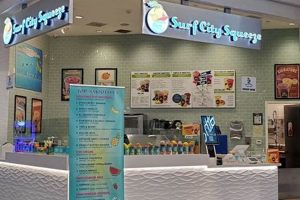
Destinations that offer a range of activities and locations appealing to those interested in surfing and related beach culture are commonly found in coastal areas known for their surfing conditions. These destinations may feature surfing beaches, surf schools, surf shops, and other entertainment options catering to surfers and beachgoers. For example, Huntington Beach, California, is often referred to as “Surf City USA” due to its long surfing history and numerous surf-related businesses and events.
The availability of varied recreational opportunities, the generation of revenue for local businesses, and the promotion of a healthy outdoor lifestyle all contribute to the significance of these coastal destinations. Historically, such locations have served as hubs for the development of surfing culture and the advancement of surfing as a sport. They draw tourists, contribute to economic growth, and help preserve surfing’s cultural heritage.
The following sections will detail specific categories of activities, landmark locations, and essential services commonly found in notable surf destinations, providing a comprehensive overview of what these locations offer to both seasoned surfers and casual visitors.
Essential Guidance for Coastal Exploration
This section presents practical guidance to enhance the experience of visiting a coastal destination renowned for its surfing culture.
Tip 1: Research Surf Conditions: Prior to arrival, examine surf forecasts and reports. Understanding wave height, swell direction, and tide levels is crucial for planning surfing activities and ensuring personal safety.
Tip 2: Invest in Appropriate Gear: Ensure access to a suitable surfboard, wetsuit, and leash. Consider board size and type based on skill level and anticipated wave conditions. Wetsuits are essential for maintaining body temperature in colder waters.
Tip 3: Prioritize Water Safety: Be aware of potential hazards, including rip currents, submerged objects, and marine life. Swim within designated areas, heed lifeguard warnings, and never surf alone.
Tip 4: Utilize Local Surf Schools: Novice surfers should enroll in lessons from certified instructors. Professional guidance provides instruction on proper technique, water safety, and surf etiquette.
Tip 5: Respect Local Surfers: Adhere to established surfing etiquette. Avoid dropping in on other surfers, paddle wide to avoid interfering with rides, and yield to surfers closer to the peak.
Tip 6: Explore Non-Surfing Activities: Diversify the experience by exploring other available options. Coastal destinations often feature beaches, boardwalks, shops, restaurants, and historical sites.
Tip 7: Support Local Businesses: Contribute to the local economy by patronizing surf shops, restaurants, and other establishments owned and operated by residents. This supports the community and promotes sustainable tourism.
By following these guidelines, visitors can maximize their enjoyment and ensure a safe and respectful interaction with the surf culture and environment.
The concluding section will provide a broader perspective on the enduring appeal and future trends associated with such popular coastal destinations.
1. Beaches
Beaches are fundamentally integral to locations recognized for surfing. The quality of the surf, determined by factors such as wave size, consistency, and shape, directly influences the attractiveness and reputation of the location. Beaches offering consistent and challenging waves, such as those found at Mavericks in California or Pipeline in Hawaii, become magnets for experienced surfers, while gentler waves are ideal for beginners. This variation caters to a broad spectrum of skill levels, enhancing the overall appeal of “surf city attractions.” The presence of significant wave events, such as annual surf competitions, further elevates a beach’s profile and draws substantial tourism revenue.
Beyond the act of surfing, beaches provide the space for a wide range of supplementary activities that contribute to the overall experience of these destinations. Sunbathing, swimming, beach volleyball, and simply relaxing on the sand are common pursuits that cater to non-surfers and those seeking a more leisurely experience. The physical characteristics of the beach, including sand quality, cleanliness, and the availability of amenities such as restrooms and showers, also play a significant role in determining its overall desirability. For example, beaches with well-maintained facilities and lifeguard services tend to be more popular with families and casual beachgoers.
In summary, beaches are not merely geographical features but are the core component upon which the entire concept of “surf city attractions” is built. Their physical characteristics, the quality of the surf they offer, and the supplementary activities they support collectively determine their success as destinations for both surfing enthusiasts and the general public. A nuanced understanding of the interplay between these factors is crucial for effective management and promotion of coastal tourism.
2. Surf Schools
Surf schools are integral to the fabric of locations recognized for surfing. They not only introduce individuals to the sport but also contribute significantly to the economic and social ecosystem of these destinations.
- Beginner Education and Skill Development
Surf schools provide structured instruction in fundamental surfing techniques, water safety, and ocean awareness. This foundational education is crucial for individuals new to the sport, enabling them to progress safely and effectively. Without accessible surf schools, the barrier to entry for surfing would be significantly higher, limiting participation and potentially diminishing the appeal of “surf city attractions.”
- Safety Promotion and Risk Mitigation
A primary function of surf schools is to emphasize safety protocols and risk mitigation strategies. Students learn about rip currents, wave dynamics, and potential hazards, equipping them with the knowledge to make informed decisions while in the water. This focus on safety is paramount in preventing accidents and ensuring a positive experience for both locals and tourists, enhancing the overall reputation of “surf city attractions” as safe and enjoyable destinations.
- Economic Contribution and Local Business Support
Surf schools represent a significant component of the local economy in these destinations. They generate revenue through lesson fees, equipment rentals, and retail sales. Furthermore, they often employ local instructors, providing employment opportunities within the community. By supporting surf schools, visitors directly contribute to the economic sustainability of “surf city attractions,” ensuring their continued viability as tourism destinations.
- Community Engagement and Cultural Preservation
Many surf schools actively engage with the local community through outreach programs, environmental initiatives, and cultural preservation efforts. They may offer scholarships to local students, participate in beach cleanups, or promote sustainable tourism practices. This commitment to community engagement enhances the social fabric of “surf city attractions” and reinforces their identity as places where surfing is not only a sport but also a way of life.
In summary, surf schools serve as essential pillars of coastal locations renowned for surfing. Their contributions extend beyond mere instruction, encompassing safety promotion, economic support, and community engagement. By fostering a safe, accessible, and culturally rich environment, surf schools play a pivotal role in shaping the overall appeal and success of “surf city attractions.”
3. Local Events

The presence and character of local events are critical determinants of the appeal and vibrancy of destinations recognized for surfing. These events serve as focal points that draw visitors, stimulate economic activity, and reinforce the cultural identity of “surf city attractions.” Their multifaceted impact warrants a detailed examination.
- Economic Impact and Tourism Revenue
Local surfing competitions, festivals, and related events generate significant revenue streams for host communities. They attract competitors, spectators, and media, all of whom contribute to local businesses such as hotels, restaurants, and retail establishments. The Quiksilver Pro Gold Coast in Australia, for example, draws thousands of tourists annually, injecting millions of dollars into the regional economy. The financial benefits derived from these events bolster the sustainability and prosperity of “surf city attractions.”
- Community Engagement and Cultural Identity
Local events foster a sense of community among residents and visitors alike. They provide opportunities for social interaction, shared experiences, and the celebration of surfing culture. Events such as the Huntington Beach Surfing Championships in California, deeply rooted in local tradition, reinforce the unique identity of the destination and strengthen community bonds. They serve as a reminder of the historical and cultural significance of surfing to the local populace.
- Exposure and Promotion of the Destination
Surf-related events provide invaluable exposure for locations, attracting media coverage and generating interest from potential visitors. International competitions, often broadcast globally, showcase the destination’s surfing conditions, scenic beauty, and cultural attractions. This increased visibility can translate into higher tourism numbers and enhanced brand recognition for “surf city attractions” on a global scale. The Mavericks surf competition in California, though dependent on unpredictable wave conditions, garners worldwide attention when it occurs, drawing crowds and media from across the globe.
- Support for Local Businesses and Talent
Local events offer a platform for small businesses and emerging talents to gain exposure and build their brands. Surf shops, artists, and musicians often participate in these events, showcasing their products and services to a targeted audience. This support for local entrepreneurship and creative expression contributes to the unique character and authenticity of “surf city attractions.” Local artisans and surfboard shapers, for example, often find opportunities to sell their goods at surfing festivals and competitions.
In conclusion, local events are not mere occurrences but rather vital components that define and enhance the overall experience of “surf city attractions.” They stimulate economic activity, foster community engagement, promote the destination, and support local businesses, collectively contributing to the sustainability and prosperity of these coastal communities. A strategic focus on developing and promoting such events is essential for ensuring the continued success of these destinations.
4. Board Rentals

The availability of surfboard rentals is a foundational element underpinning the accessibility and appeal of destinations renowned for surfing. The presence of viable board rental businesses directly influences the visitor experience, impacting both novice and experienced surfers who may not have the means or inclination to transport their own equipment. The absence of reliable rental options can severely limit participation in surfing-related activities, thereby diminishing the attractiveness of “surf city attractions” to a significant portion of potential visitors. For instance, a tourist arriving by air or public transport is unlikely to be able to bring their own board, making rental services indispensable.
The quality and diversity of the available rental fleet are also critical factors. A wide selection of board types, catering to varying skill levels and wave conditions, enhances the appeal of the destination to a broader audience. Rental businesses that maintain their equipment in good condition and offer knowledgeable advice on board selection contribute to a positive and safe surfing experience. The proximity of rental locations to popular surf breaks is also a logistical advantage, providing convenience for visitors. Examples include rental shops strategically located near Waikiki Beach in Hawaii or Huntington Beach in California, offering easy access for tourists seeking to experience these renowned surf spots.
In summation, board rentals constitute a crucial component of the infrastructural ecosystem supporting “surf city attractions.” Their presence lowers the barrier to entry for surfing, facilitates tourism, and contributes to the economic viability of these destinations. Challenges such as maintaining equipment quality and adapting to fluctuating demand require ongoing attention from rental businesses and local authorities. Understanding the practical significance of this element allows for more effective management and promotion of surfing destinations, ensuring their continued appeal to a diverse range of visitors.
5. Shops

Retail establishments form a vital component of destinations recognized for surfing, functioning as economic engines and cultural repositories within the broader framework of “surf city attractions.” Their presence directly impacts the visitor experience, providing access to essential equipment, apparel, and souvenirs, while simultaneously shaping the aesthetic and ambiance of the destination. The types of shops presentranging from specialized surf shops to general merchandise retailersreflect the prevailing surf culture and cater to the diverse needs of both seasoned surfers and casual tourists. This relationship is causal: a well-developed retail sector enhances the attractiveness and functionality of “surf city attractions,” driving tourism and bolstering local economies.
Surf shops, in particular, serve a multifaceted role. They provide essential surfing equipment such as boards, wetsuits, leashes, and wax, catering to the practical needs of surfers. They also function as information centers, offering advice on local surf conditions, equipment selection, and safety protocols. Furthermore, they often serve as community hubs, hosting events, sponsoring local surfers, and promoting surfing culture. For example, iconic surf shops like Jack’s Surfboards in Huntington Beach or HIC (Hawaiian Island Creations) in Honolulu not only sell merchandise but also contribute significantly to the surfing community through sponsorships and events. In addition to specialized surf shops, general merchandise retailers capitalize on the destination’s identity by offering surf-themed apparel, souvenirs, and beach accessories, catering to a broader tourist market.
In summary, retail establishments, particularly surf shops, are inextricably linked to the success and identity of “surf city attractions.” They fulfill practical needs, promote surf culture, contribute to the local economy, and shape the overall visitor experience. Challenges associated with inventory management, competition from online retailers, and fluctuating tourism levels necessitate adaptive business strategies. Understanding the interconnectedness between retail and coastal destinations allows for more effective planning, management, and promotion, ensuring the long-term viability and appeal of these locations.
6. Dining
Culinary offerings are a critical, often overlooked, component of destinations recognized for surfing. The dining options available significantly shape the visitor experience, contributing to the overall perception and economic vitality of “surf city attractions.” They serve not only to satisfy basic needs but also to enhance the cultural and recreational appeal of these locations.
- Local Cuisine and Cultural Representation
Restaurants specializing in local seafood and regional cuisine offer tourists an authentic cultural experience. These establishments frequently source ingredients from local fishermen and farmers, supporting the regional economy and promoting sustainable practices. Examples include Hawaiian plate lunch restaurants near Waikiki or fresh seafood shacks along the California coast, which provide tourists with a tangible connection to the local culture. Such culinary representations enrich the overall tourist experience within “surf city attractions.”
- Beachfront Dining and Ambiance
Restaurants located along the beachfront provide patrons with scenic views and a relaxed atmosphere, enhancing the dining experience. Establishments offering outdoor seating with ocean vistas are particularly appealing to tourists seeking to immerse themselves in the coastal environment. These venues contribute significantly to the overall ambiance of “surf city attractions,” fostering a sense of leisure and enjoyment. Examples include seaside cafes in Biarritz, France, or beachfront grills in Bali, Indonesia.
- Fueling Surfing Activities and Lifestyle
Restaurants offering healthy and energizing food options cater to the needs of surfers and other active individuals. Smoothie bars, juice shops, and cafes serving nutritious meals are common in locations with significant surfing populations. These establishments provide essential sustenance for those engaged in physically demanding activities, contributing to the health and well-being of the surfing community. Examples include health-focused cafes near Bondi Beach in Australia, catering to the active surfing population.
- Nightlife and Entertainment
Bars and restaurants offering live music and entertainment contribute to the nighttime atmosphere of destinations. These establishments provide venues for socializing, relaxing, and enjoying the local nightlife. They often feature local musicians and artists, showcasing the regional cultural scene. Examples include beachfront bars in Kuta, Bali, or live music venues in Huntington Beach, California, which provide entertainment for both locals and tourists, enhancing the nighttime appeal of “surf city attractions.”
In summary, dining establishments play a multifaceted role in shaping the overall experience of “surf city attractions.” They provide essential sustenance, represent local culture, enhance the ambiance, and contribute to the economic vitality of these destinations. By offering diverse culinary options that cater to both surfers and general tourists, these locations can maximize their appeal and ensure a memorable visitor experience. The integration of dining with other components, such as surfing, shopping, and entertainment, is crucial for creating a holistic and sustainable tourism model.
Frequently Asked Questions about Surf City Attractions
This section addresses common inquiries and misconceptions regarding destinations recognized for their surfing culture, providing clear and concise answers to enhance understanding.
Question 1: What defines a “Surf City”?
A “Surf City” is typically defined as a coastal location renowned for its consistent surf conditions, established surf culture, and supporting infrastructure. Key indicators include the presence of surf breaks, surf schools, surf shops, and regular surfing events.
Question 2: What are the primary activities available in these destinations beyond surfing?
While surfing is central, destinations offer a range of recreational opportunities, including swimming, sunbathing, beach volleyball, kayaking, paddleboarding, and coastal hiking. Cultural attractions, such as museums, historical sites, and art galleries, are also frequently available.
Question 3: What level of surfing experience is required to visit such locations?
Destinations cater to a wide spectrum of skill levels, from novice to expert. Surf schools offer instruction for beginners, while advanced surfers can seek out challenging breaks. Beaches with varying wave conditions ensure options for all skill levels.
Question 4: Are there specific safety considerations when visiting destinations?
Water safety is paramount. Awareness of rip currents, tidal patterns, and local marine life is crucial. Swimming within designated areas and heeding lifeguard warnings are essential. Protective gear, such as wetsuits and reef boots, may be necessary depending on the location and conditions.
Question 5: How can visitors contribute to the sustainability of “Surf City Attractions?”
Supporting local businesses, practicing responsible tourism, and minimizing environmental impact are key. This includes patronizing local surf shops and restaurants, participating in beach cleanups, and reducing waste.
Question 6: What are the typical costs associated with visiting locations?
Costs vary significantly depending on factors such as accommodation, transportation, dining, and activities. Budget-conscious travelers can opt for hostels, self-catering accommodations, and affordable dining options. Surfing lessons and equipment rentals represent additional expenses.
In summary, locations offer diverse experiences, necessitating awareness of safety protocols and responsible tourism practices. Understanding the multifaceted nature of these destinations allows for informed planning and responsible engagement.
The following section will provide concluding remarks, summarizing the essential elements discussed and projecting future trends related to these coastal locations.
Conclusion
This exploration of surf city attractions has illuminated the multifaceted components that define these coastal destinations. The interplay between natural assets, such as beaches and surf breaks, and infrastructural elements, including surf schools, shops, and dining establishments, is fundamental to their success. The significance of local events in fostering community engagement and driving economic activity has also been underscored. These elements collectively shape the visitor experience and contribute to the unique identity of these locations.
The continued viability of surf city attractions hinges on a commitment to sustainable tourism practices, responsible management of coastal resources, and adaptation to evolving visitor preferences. Stakeholders must prioritize environmental protection, support local businesses, and ensure equitable access to these destinations. The future success of surf city attractions requires proactive measures to preserve their natural beauty, cultural heritage, and economic prosperity for generations to come.