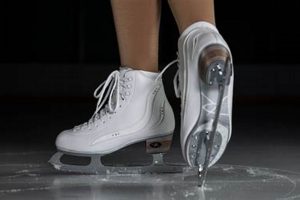
These protective accessories are designed to shield the blades of ice skates when skaters are off the ice. Typically constructed from materials such as plastic or rubber, these items cover the sharp edges of the blades, preventing damage from contact with surfaces like concrete or rubber flooring. For example, a skater might use these covers when walking from the ice rink to the locker room.
The implementation of blade protection is crucial for maintaining the sharpness and integrity of the skates. Walking on unprotected blades can lead to nicks and dulling, significantly impacting performance on the ice. Historically, skaters may have used makeshift coverings, but modern protective equipment offers a more durable and reliable solution. This extends the life of the blade and ensures consistent performance.
The subsequent discussion will delve into the different types of blade protectors available, explore factors to consider when selecting the most suitable option, and provide guidance on proper maintenance practices to maximize their effectiveness.
Selecting and Maintaining Blade Protection
Proper selection and maintenance are essential to maximize the lifespan and protective capabilities of blade coverings.
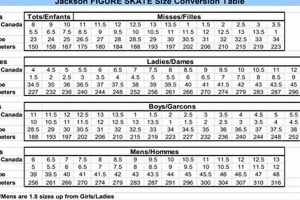
Tip 1: Prioritize Fit. Ensure a snug and secure fit over the blade. Loose coverings can slide off, leaving the blade vulnerable or creating a tripping hazard. Measure blade length and consult size charts provided by manufacturers.
Tip 2: Choose Appropriate Material. Rubber versions offer excellent grip and shock absorption, ideal for rough surfaces. Plastic provides a lighter, more rigid option for smoother terrains. Consider the primary walking surfaces encountered.
Tip 3: Inspect Regularly for Wear. Check for cracks, tears, or excessive wear, particularly in high-stress areas like the pivot point. Replace damaged protection immediately to prevent blade damage.
Tip 4: Clean After Each Use. Wipe down with a damp cloth to remove dirt, grit, and moisture. Accumulated debris can accelerate wear and tear on both the guards and the blade.
Tip 5: Store Separately from Skates. When not in use, store blade protection away from the skates to allow both to air dry and prevent moisture buildup. This helps prevent rust formation on the blades.
Tip 6: Consider Rocker Design Compatibility. Blades with a significant rocker (curvature) may require specialized covers designed to accommodate the shape. Standard versions may not provide adequate coverage or a secure fit.
Adhering to these guidelines will ensure prolonged blade sharpness and minimize the risk of damage, contributing to consistent performance and reduced equipment costs.
The concluding section will summarize the essential elements of blade protection and their relevance to skater performance and equipment longevity.
1. Protection

The fundamental role of figure skate guards centers on protection. These accessories are specifically engineered to safeguard the delicate and precisely sharpened blades of figure skates from damage that can occur when traversing surfaces other than ice. This protection is critical because even minor nicks or dulling of the blades can significantly impair a skater’s performance, affecting elements such as edge control, gliding efficiency, and jump execution. The cause and effect relationship is direct: unprotected blades exposed to abrasive surfaces will inevitably suffer damage, whereas blades shielded by skate guards will maintain their optimal condition for longer.
The importance of protection as an inherent component of figure skate guards manifests in several practical ways. For example, a skater moving from the ice to the locker room, a distance that might involve walking on concrete, rubber flooring, or tiled surfaces, would rely on the guards to prevent immediate degradation of the blade’s edge. Without these protective layers, the blade would directly contact these surfaces, leading to potential damage. Further, the material composition of the guards themselves, whether rubber or plastic, is selected to maximize this protective function, providing a barrier against impact and abrasion. In competitive skating, where even minute differences in blade quality can affect scoring, the consistent use of quality guards becomes paramount.
Understanding this connection between protection and figure skate guards underscores the need for careful selection and maintenance of these accessories. Challenges may arise from choosing guards that do not fit properly or are made of inadequate materials. Ultimately, the effectiveness of figure skate guards in preserving blade condition directly influences a skater’s ability to perform at their best and reduces the overall cost of maintaining their equipment. Therefore, prioritizing protection remains the core objective in the design, selection, and use of these essential skating accessories.
2. Durability

The durability of figure skate guards directly impacts their effectiveness and lifespan, thus affecting the protection afforded to the skate blades. High-quality guards, constructed from robust materials, withstand the rigors of repeated use on various surfaces, resisting wear and tear that would compromise their protective function. This inherent durability determines how well the guards can consistently shield the blades from potentially damaging contact with concrete, rubber flooring, or other abrasive surfaces. The cause-and-effect relationship is clear: less durable guards degrade more quickly, leading to reduced protection and potentially costly blade damage. The consequences of using flimsy guards can result in frequent replacements and blade sharpening, creating an avoidable expense.
The importance of durability as a component of blade protection is evident in real-world scenarios. For instance, a skater who practices several times a week and frequently walks across rough surfaces between the ice and the changing room places a greater demand on the durability of the guards. Guards made from inferior materials, such as thin plastic or low-grade rubber, may crack or tear under this stress, exposing the blades to damage. Conversely, guards constructed from high-density plastic or reinforced rubber are more likely to withstand these conditions, providing reliable protection over an extended period. The practical significance of this understanding lies in the need to invest in durable guards from the outset, rather than opting for cheaper alternatives that may prove less effective in the long run. The choice of material, design, and manufacturing process all contribute to the overall durability of figure skate guards.
In summary, durability is a critical factor in the selection and use of figure skate guards. Understanding the link between durability and protective function allows skaters to make informed decisions that maximize blade lifespan and minimize equipment costs. The challenge resides in identifying guards that offer the optimal balance of durability, comfort, and affordability. Ultimately, selecting durable guards represents a prudent investment in the long-term maintenance and performance of figure skates, thereby highlighting the necessity of carefully considering material, construction, and intended usage when making a purchase.
3. Fit

The fit of protective coverings is inextricably linked to their protective efficacy and the longevity of figure skate blades. An improperly fitted item, whether too loose or too tight, negates the intended purpose of shielding the blade from damage during off-ice transit. A loose fit allows the blade to move within the cover, increasing the risk of contact with abrasive surfaces and leading to nicks or dulling. Conversely, an excessively tight fit can exert undue pressure on the blade’s edges, potentially causing deformation or chipping, particularly with prolonged use. The cause-and-effect relationship demonstrates that inaccurate fit directly impacts blade integrity, regardless of the material composition of the protection itself.
The importance of precise fit manifests clearly in practical situations. A skater using ill-fitting protection while walking on concrete to the ice rink exposes the blade to uneven pressure and potential impact, rendering the protective accessory functionally useless. The skater might incorrectly assume their blades are safe, only to discover edge damage upon returning to the ice. Furthermore, the correct fit ensures secure coverage of the entire blade length, including the toe pick area. An inadequate fit that leaves sections of the blade exposed compromises overall protection and invites uneven wear. Choosing protection designed for the specific blade length and rocker profile is therefore paramount.
In summary, the correct fit is not merely a comfort consideration but a critical factor in the effectiveness of protective coverings. Challenges in achieving optimal fit include variations in blade geometries and inconsistent sizing across different brands. Ultimately, prioritizing accurate fit safeguards against blade damage and optimizes the investment in both the skates and their protective accessories. Understanding the impact of fit promotes informed decision-making, leading to improved blade maintenance and enhanced skating performance.
4. Material
The choice of material in the construction of figure skate guards fundamentally dictates their performance, durability, and suitability for various usage conditions. The protective capabilities, shock absorption, and resistance to wear are direct consequences of the material properties. For instance, rubber guards offer superior grip and shock absorption, crucial for navigating uneven surfaces, while plastic provides a lighter, more rigid alternative suitable for smoother terrains. Inadequate material selection can render the guards ineffective, leading to blade damage. The consequences of ignoring material properties can result in premature wear, reduced protection, and ultimately, compromised skating performance.
The significance of material as a component of blade protection is evident when considering the skater’s environment. A skater primarily traversing rough concrete surfaces would benefit from the impact-dampening properties of rubber. The flexible nature of rubber absorbs shocks and minimizes the transmission of vibrations to the delicate blade edges. Conversely, a skater primarily utilizing smooth rubber flooring might find the lightweight rigidity of plastic guards sufficient, prioritizing ease of use and maneuverability. Furthermore, certain materials possess inherent resistance to moisture and chemicals, extending their lifespan and preventing corrosion of the blades. The practical application of this understanding underscores the necessity for skaters to select guards that align with their specific usage patterns and environments.
In summary, the material composition is a critical determinant of guard effectiveness and blade protection. The challenge lies in selecting a material that balances durability, shock absorption, and suitability for the intended surfaces. Careful consideration of the skater’s environment and skating habits, when aligned with the material properties, ensures optimal blade maintenance and performance. Neglecting the relationship between material properties and skating environment is detrimental to the longevity and protective capability of the guards, highlighting the need for informed decision-making when selecting these essential skating accessories.
5. Maintenance

The proper maintenance of figure skate guards is inextricably linked to their continued effectiveness in protecting the blades of figure skates. Neglecting maintenance can significantly reduce the guards’ lifespan and compromise their ability to shield the blades from damage during off-ice transit. Accumulated dirt, grit, and moisture can accelerate wear and tear, diminishing the guards’ protective capabilities. The direct consequence of inadequate maintenance is the potential for premature blade dulling or damage, necessitating more frequent sharpening and eventual replacement. Therefore, regular cleaning, inspection, and appropriate storage are essential to preserve the integrity and functionality of skate guards.
The importance of maintenance as a component of guard functionality is evident in practical scenarios. A skater consistently using guards on concrete surfaces will inevitably accumulate abrasive particles embedded within the guard material. If left unattended, these particles will grind against the blade during subsequent use, defeating the purpose of protection. Conversely, a skater who regularly wipes down their guards with a damp cloth after each use removes these contaminants, preserving the protective surface and extending the guard’s lifespan. Furthermore, moisture accumulating within the guards can promote corrosion of the blades. Regular drying and storage in a well-ventilated area minimize this risk. Consistent maintenance directly translates to prolonged blade sharpness and reduced equipment costs.
In summary, the conscientious maintenance of figure skate guards is a critical aspect of preserving blade condition and ensuring consistent skating performance. Challenges may arise from the time commitment required for regular cleaning and inspection, but the long-term benefits far outweigh the initial effort. Understanding the link between maintenance and guard effectiveness enables skaters to make informed decisions regarding equipment care. Prioritizing maintenance safeguards against blade damage and maximizes the investment in both the skates and their protective accessories, thereby highlighting the necessity of integrating routine maintenance practices into a comprehensive skating regimen.
6. Longevity
The lifespan of figure skate blades is intrinsically linked to the consistent and appropriate use of figure skate guards. Protecting the blades from abrasion and impact during off-ice movement directly contributes to their longevity, minimizing the need for frequent sharpening and eventual replacement. A causal relationship exists: unprotected blades exposed to abrasive surfaces deteriorate more rapidly than those consistently shielded by these protective accessories. Increased longevity translates to reduced expenditure on blade maintenance and replacement, making blade protection an economically prudent investment.
Longevity, as a direct consequence of blade protection, is a significant factor in a skater’s overall equipment management strategy. For example, a competitive skater who meticulously uses and maintains high-quality blade protection can extend the lifespan of their blades by several months, if not years, compared to a skater who neglects this aspect of equipment care. The practical significance of this is considerable, as high-performance blades can be a substantial financial outlay. Furthermore, maintaining the same blades for a longer period allows a skater to develop a more consistent feel and edge control, potentially improving performance. Proper guard usage, combined with appropriate blade maintenance, contributes to a sustainable and cost-effective approach to skating.
In summary, the strategic use of blade protection is crucial for maximizing the longevity of figure skate blades. Challenges in achieving this goal include selecting guards that offer an optimal balance of durability, fit, and protection, as well as consistently adhering to recommended maintenance practices. Despite these challenges, the benefits of extended blade life and reduced equipment costs make investing in quality blade protection a worthwhile endeavor. Understanding and prioritizing this connection between protection and longevity allows skaters to optimize their equipment performance and minimize financial burdens.
Frequently Asked Questions
The following addresses common inquiries regarding protective coverings for figure skate blades. It aims to clarify concerns and misconceptions surrounding their selection, use, and maintenance.
Question 1: How often should blade protection be replaced?
Replacement frequency depends on usage intensity, surface types encountered, and material quality. Guards exhibiting cracks, tears, or significant wear should be replaced immediately to ensure adequate blade protection. Regular inspection is advised.
Question 2: Are all figure skate guards universally sized?
No. Sizing varies between manufacturers and models. Consult size charts and measure blade length to ensure a proper fit. Incorrect sizing compromises protection.
Question 3: Is it necessary to remove blade protection immediately after skating?
Yes. Prolonged enclosure of the blade within the guard can trap moisture, potentially leading to rust formation. Remove the covers and allow the blades to air dry after each use.
Question 4: Can blade protection be used to sharpen figure skate blades?
No. Protective coverings are designed solely to shield the blades from damage, not to sharpen them. Attempts to sharpen blades using blade covers will be unsuccessful and may damage both the blades and the covers.
Question 5: What is the best method for cleaning figure skate guards?
Wipe down with a damp cloth to remove dirt, grit, and debris. Avoid using harsh chemicals or abrasive cleaners, as these can degrade the material. Allow to air dry completely before storing.
Question 6: Does the type of surface walked on affect the choice of blade protection?
Yes. Rubber provides superior grip and shock absorption on uneven surfaces like concrete. Plastic is suitable for smoother surfaces like rubber flooring. Select the material that best aligns with the most frequently encountered surfaces.
Proper selection, usage, and maintenance of these protective items are crucial for preserving blade sharpness and extending blade lifespan. Ignoring these factors can lead to preventable damage and increased equipment costs.
The next article section will delve into advanced blade care techniques for optimal skating performance.
In Summary
This exposition has explored the multifaceted importance of figure skate guards. These protective accessories play a critical role in preserving blade sharpness, extending blade lifespan, and ultimately, optimizing skating performance. From material selection and fit considerations to proper maintenance and usage, each aspect contributes to the overall effectiveness of this essential piece of skating equipment.
The ongoing commitment to diligent blade care, including the consistent utilization of figure skate guards, is paramount. Neglecting this foundational element can lead to premature blade degradation, increased equipment costs, and potentially, compromised performance. Therefore, a comprehensive understanding and proactive implementation of the principles outlined herein are vital for all serious figure skaters seeking to maximize their potential and protect their investment.