The activity combines the artistry and technical elements of traditional ice figure skating with the mobility and versatility of inline skates. This discipline allows athletes to execute jumps, spins, and other intricate maneuvers typically performed on ice, but on paved surfaces or specialized rinks.
This practice broadens access to figure skating, eliminating the need for ice rinks and enabling training in diverse environments. It offers a lower-impact alternative to ice skating, potentially reducing the risk of certain injuries. The discipline fosters creativity in choreography and expands the opportunities for athletic development and performance in the realm of skating sports.
The subsequent discussion will delve into the specific equipment required, the techniques employed, and the competitive landscape within this evolving athletic pursuit. Detailed examination of training methodologies and performance evaluation criteria will also be addressed.
Guidance for Roller Figure Skating
The following recommendations are designed to optimize performance and safety for individuals engaged in roller figure skating. Adherence to these suggestions can contribute to skill enhancement and injury prevention.
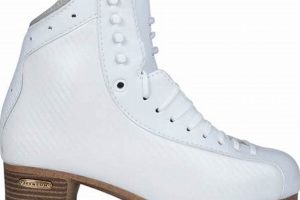
Tip 1: Equipment Selection: Prioritize skates specifically engineered for figure skating. These skates offer enhanced ankle support and maneuverability compared to standard inline skates. Verify proper fit to prevent discomfort and potential injuries.
Tip 2: Surface Considerations: Opt for smooth, level surfaces such as dedicated roller rinks or well-maintained asphalt. Avoid areas with debris, cracks, or excessive roughness, as these conditions can impede performance and increase the risk of falls.
Tip 3: Mastering Basic Skills: Establish a strong foundation in fundamental skating techniques, including balance, gliding, and edge control. Proficiency in these basics is crucial for executing more complex maneuvers safely and effectively.
Tip 4: Gradual Progression: Incrementally introduce new skills and routines. Avoid attempting advanced jumps or spins before achieving mastery of prerequisite techniques. This approach minimizes the risk of injury and fosters consistent progress.
Tip 5: Protective Gear: Consistently utilize appropriate protective equipment, including a helmet, wrist guards, elbow pads, and knee pads. Protective gear significantly reduces the severity of injuries resulting from falls.
Tip 6: Regular Maintenance: Routinely inspect and maintain skating equipment. Ensure that wheels are properly aligned, bearings are lubricated, and brakes are functional. Proper maintenance enhances performance and extends the lifespan of the equipment.
Tip 7: Professional Instruction: Seek guidance from a qualified roller figure skating coach. Professional instruction provides personalized feedback, technique refinement, and a structured approach to skill development.
Consistently implementing these recommendations fosters a safer and more effective training environment. Prioritization of equipment, technique, and safety protocols is essential for achieving optimal performance in this discipline.
The subsequent section will provide insights into the competitive aspects of roller figure skating, including judging criteria and event formats.
1. Equipment Calibration

Equipment calibration constitutes a critical component of optimized performance and safety within the domain of inline skates figure skating. Proper adjustment and maintenance of skating equipment directly influence maneuverability, stability, and the capacity to execute complex technical elements with precision.
- Wheel Alignment and Rotation
Precise wheel alignment ensures consistent tracking and minimizes unnecessary friction, facilitating efficient gliding and edge control. Regular rotation of wheels distributes wear evenly, prolonging their lifespan and maintaining optimal performance characteristics. Misaligned or unevenly worn wheels can compromise balance and increase the risk of falls during demanding maneuvers.
- Bearing Maintenance and Lubrication
Bearings facilitate smooth wheel rotation and contribute significantly to overall skating speed. Regular cleaning and lubrication of bearings minimize friction and prevent premature wear. Neglecting bearing maintenance can result in reduced speed, increased effort required for propulsion, and compromised responsiveness during complex figure skating elements.
- Frame and Boot Adjustment
The alignment of the skate frame relative to the boot can be adjusted to optimize the skater’s center of gravity and enhance edge control. A properly fitted and supportive boot provides stability and responsiveness, allowing for precise execution of jumps, spins, and other technical elements. Inadequate frame alignment or boot support can impede performance and increase the risk of ankle injuries.
- Brake System Inspection and Adjustment
While not directly used during most figure skating elements, a functional brake system is essential for safety and controlled deceleration. Regular inspection of brake pads and adjustment of brake mechanisms ensures reliable stopping power. Malfunctioning or poorly adjusted brakes can compromise safety, particularly during transitions or emergency stops.
These calibration facets directly impact the skater’s ability to perform intricate routines and maintain control. Precise equipment ensures peak performance levels and minimizes the risk of preventable accidents. Regular evaluation and adjustments of these elements is paramount for any participant pursuing excellence in inline skates figure skating.
2. Surface Assessment
Surface assessment represents a critical determinant in the practice and execution of inline skates figure skating. The properties of the skating surface directly influence factors such as traction, speed, and the impact forces experienced by the skater. Inadequate surface conditions can compromise performance, increase the risk of injuries, and limit the scope of achievable technical elements. For instance, a rough or uneven surface reduces glide efficiency, requiring increased physical exertion and hindering the skater’s ability to maintain the momentum necessary for complex jumps or spins. Conversely, a surface with excessive grip can impede controlled slides and transitions, potentially leading to falls or impaired maneuverability.
The selection of an appropriate skating surface necessitates a comprehensive evaluation of several characteristics, including smoothness, levelness, and coefficient of friction. Dedicated roller rinks designed for figure skating typically employ specialized coatings that provide a balance between grip and glide, optimizing conditions for both technical execution and artistic expression. In contrast, skating on untreated asphalt or concrete surfaces presents challenges due to variations in texture and the presence of debris, requiring skaters to adapt their technique and exercise increased caution. Competitive events often stipulate specific surface requirements to ensure fair and consistent performance standards across all participants. A real-world example is the meticulous preparation of surfaces before significant competitions, where specialists thoroughly clean and, if necessary, resurface the skating area to create an ideal environment for the athletes.
Ultimately, surface assessment serves as a foundational element in the overall practice of inline skates figure skating. A thorough understanding of surface properties and their impact on skating dynamics allows athletes to make informed decisions regarding training locations, equipment selection, and the execution of technical elements. By prioritizing surface assessment, skaters can mitigate risks, enhance performance, and maximize their potential within this demanding and artistic athletic discipline.
3. Technique Mastery

Technique mastery forms the bedrock upon which proficient inline skates figure skating is built. It transcends mere replication of movements, encompassing a deep understanding and precise execution of fundamental skills. The acquisition of technique mastery directly correlates with enhanced performance, minimized risk of injury, and expanded capacity for artistic expression within the discipline.
- Edge Control and Balance
Edge control dictates the skater’s ability to manipulate the direction and curvature of movement, enabling precise turns and controlled gliding. Balance provides stability and prevents unwanted deviations from the intended trajectory. A skater exhibiting superior edge control and balance can execute intricate footwork sequences and maintain composure during challenging transitions, while a deficiency in these areas leads to instability and reduced maneuverability.
- Jump Execution and Landing
Jumps constitute a cornerstone of figure skating routines, demanding precise timing, coordination, and spatial awareness. Proper jump execution involves generating sufficient height and rotation, maintaining a stable body position in the air, and executing a controlled landing that absorbs impact effectively. A skater who demonstrates mastery of jump technique can execute multi-rotational jumps with confidence and consistency, while a lack of technique mastery results in inconsistent jumps, falls, and potential injuries.
- Spin Mechanics and Centering
Spins require the skater to maintain a stable rotational axis while minimizing friction and maximizing angular velocity. Precise spin mechanics involve proper body alignment, controlled weight distribution, and the ability to maintain a tight spin position. A skater with refined spin technique can execute spins with multiple rotations and maintain a centered position, while inadequate technique leads to wobbly spins and premature deceleration.
- Posture and Body Alignment
Correct posture and body alignment contribute significantly to both the aesthetic appeal and technical execution of figure skating routines. Proper posture optimizes balance, facilitates efficient movement, and enhances the skater’s overall presence on the skating surface. A skater who demonstrates exemplary posture exhibits poise and control, while poor posture can compromise balance, reduce efficiency, and detract from the overall performance.
The interconnectedness of these facets underscores the holistic nature of technique mastery. Each element contributes synergistically to the skater’s overall performance, highlighting the importance of consistent practice and dedicated refinement of fundamental skills. The pursuit of technique mastery remains paramount for any individual aspiring to excel in inline skates figure skating.
4. Artistic Interpretation

Artistic interpretation constitutes a pivotal dimension within inline skates figure skating, extending beyond mere technical proficiency to encompass the conveyance of emotion, narrative, and personal expression through movement. It elevates a sequence of athletic maneuvers into a cohesive and compelling performance, demanding both technical skill and creative insight.
- Choreographic Design
Choreographic design involves the selection and arrangement of movements to create a visually engaging and emotionally resonant routine. It requires careful consideration of musicality, spatial patterns, and the incorporation of transitions to link technical elements seamlessly. For instance, a skater might choose a piece of music with a melancholic tone and choreograph a routine that reflects feelings of loss or longing through deliberate use of slow, deliberate movements and expressive arm gestures. Poor choreography detracts from the skater’s technical skills, while exceptional choreography can elevate a technically sound routine into a memorable artistic statement.
- Musicality and Phrasing
Musicality refers to the skater’s ability to interpret and respond to the nuances of the chosen music. Phrasing involves aligning movements with the rhythmic and melodic structure of the music, creating a sense of unity and coherence. A skater demonstrating strong musicality will synchronize movements precisely with musical accents, variations in tempo, and changes in dynamics. A tangible example is the skater adjusting their speed, sharpness, or fluidity of movement to mirror the musical score directly; a crescendo in music paired with an increasingly powerful leap. Insensitivity to musical cues results in a disjointed and unconvincing performance.
- Costuming and Presentation
Costuming and presentation contribute significantly to the overall artistic impact of a performance. The costume should complement the chosen music and choreography, enhancing the skater’s visual presence and conveying the intended mood or character. A costume inappropriate for the performance’s theme can appear distracting, while a well-chosen costume integrates seamlessly with the routine, enhancing the performance’s aesthetic appeal. For example, a lively and upbeat routine may require brightly coloured and playful attire, whereas a more dramatic performance may benefit from darker, more elegant attire.
- Performance Quality and Expression
Performance quality encompasses the skater’s ability to connect with the audience and communicate the intended message of the routine. It involves conveying emotion through facial expressions, body language, and the projection of confidence and charisma. A skater with strong performance quality will captivate the audience and draw them into the narrative of the performance. Consider a performer using sustained eye contact during pauses for emphasis or adopting a mournful facial expression during tragic melodies to reinforce the song’s underlying sentiment. A lack of genuine expression or engagement can result in a technically proficient but emotionally sterile performance.
These multifaceted aspects of artistic interpretation collaboratively shape the viewer’s experience of inline skates figure skating. The adept fusion of technical skill and artistic expression distinguishes merely adequate performances from those deemed truly exceptional and memorable, reinforcing the importance of artistic development for aspiring figure skaters.
5. Physical Conditioning
Sustained participation in inline skates figure skating necessitates a comprehensive physical conditioning regimen. The demands placed upon the musculoskeletal and cardiovascular systems require targeted training to optimize performance and mitigate injury risk. Insufficient physical preparation directly compromises the skater’s ability to execute complex maneuvers, maintain stamina throughout extended routines, and withstand the repetitive stress inherent in the sport. For instance, inadequate lower body strength reduces jump height and landing stability, while poor core stability impairs balance and control during spins and transitions. A real-life example involves skaters who prioritize on-skate practice without parallel strength and conditioning efforts frequently experiencing overuse injuries, such as ankle sprains or stress fractures, due to the body’s inability to effectively absorb impact forces. The practical significance of understanding this connection lies in the formulation of effective training programs that address the specific physiological demands of inline skates figure skating.
Further analysis reveals the interconnectedness of various conditioning components. Cardiovascular endurance provides the stamina required for prolonged skating sessions and competitive routines. Strength training, particularly targeting the lower body, core, and upper body, enhances power generation, stability, and control. Flexibility and mobility exercises improve range of motion, facilitating the execution of complex movements and reducing the risk of muscle strains. Balance and proprioceptive training enhance body awareness and coordination, crucial for maintaining stability during dynamic maneuvers. A practical application involves incorporating plyometric exercises, such as jump squats and lunges, to improve explosive power and landing mechanics, mirroring the specific demands of jump elements in inline skates figure skating. Another vital practice is integrating balance board drills to enhance proprioception and stability for complicated spin sequences.
In summary, the success and safety of individuals engaged in inline skates figure skating hinge significantly on the implementation of a tailored and rigorous physical conditioning program. Understanding the cause-and-effect relationship between conditioning and performance outcomes is paramount for skaters and coaches alike. While technical skill development remains crucial, neglecting the physical demands of the sport invariably limits potential and increases the likelihood of injury. Addressing the challenges of maintaining a balanced and consistent conditioning routine, integrated with on-skate practice, is essential for achieving sustained progress and maximizing performance capabilities within the broader context of inline skates figure skating.
6. Risk Management

Effective risk management is an indispensable element in inline skates figure skating. The inherent dynamics of the activity, involving high-speed maneuvers and complex acrobatic elements executed on wheels, present a significant potential for injuries. A proactive and comprehensive approach to risk mitigation is therefore essential to safeguard the well-being of participants and foster a sustainable training environment.
- Environmental Hazard Mitigation
Surface irregularities, debris, and inadequate lighting constitute environmental hazards that elevate the risk of falls and collisions. Risk mitigation strategies involve conducting thorough surface inspections prior to skating, removing obstacles, and ensuring adequate illumination during low-light conditions. For example, skating venues routinely implement protocols for sweeping surfaces, repairing cracks, and installing appropriate lighting systems. Neglecting these precautions heightens the probability of accidents and compromises the safety of skaters.
- Equipment Integrity and Maintenance
Malfunctioning or improperly maintained skating equipment poses a substantial safety risk. Wheels, bearings, and braking systems are subject to wear and tear, potentially leading to equipment failure during critical moments. Risk management protocols mandate regular equipment inspections, timely replacements of worn components, and adherence to manufacturer-recommended maintenance schedules. A real-world instance includes skaters diligently inspecting their skates for loose bolts, damaged wheels, or worn brake pads before each session. Equipment malfunction can lead to unpredictable loss of control and injury.
- Protective Gear Utilization
The consistent and correct use of protective gear, including helmets, wrist guards, elbow pads, and knee pads, significantly reduces the severity of injuries resulting from falls. Risk management strategies emphasize the importance of selecting appropriate protective equipment that meets established safety standards and ensuring its proper fit. For instance, training facilities often enforce mandatory helmet usage policies and provide guidance on the proper fit and adjustment of protective gear. Failure to utilize protective gear increases the vulnerability to head trauma, fractures, and soft tissue injuries.
- Skill Progression and Training Methodology
Attempting advanced maneuvers without adequate preparation and skill development significantly increases the risk of injury. Risk management principles advocate for a gradual and progressive approach to training, emphasizing mastery of fundamental skills before attempting more complex elements. Furthermore, seeking guidance from qualified instructors and adhering to established training methodologies minimizes the likelihood of overexertion and improper technique, both of which contribute to injuries. An instance of such control is coaches regulating skill advancement based on consistent demonstration of proper and safe movement; jumping or spinning may be prohibited until mastery of basic edge control. Prematurely pursuing challenging elements heightens the susceptibility to falls and strains.
In summation, the multifaceted nature of risk management in inline skates figure skating necessitates a proactive, comprehensive, and vigilant approach. Adherence to established safety protocols, regular equipment maintenance, proper protective gear utilization, and a structured training methodology are crucial for mitigating risks and fostering a safe and enjoyable skating experience. The discussed practices are not optional considerations but fundamental elements of participation.
7. Competitive Standards

Competitive standards in inline skates figure skating serve as a structured framework for evaluating and comparing athlete performance, ensuring fairness, consistency, and progressive skill development within the sport. These standards dictate the specific criteria by which skaters are judged, the structure and content of competitive programs, and the qualifications required to participate at various levels. The absence of well-defined and consistently applied competitive standards would lead to subjective and arbitrary judging, hindering the sport’s credibility and impeding athlete motivation. A palpable effect is that skaters can prepare specific elements for competition; the clarity of judging metrics allows skaters to target specific jumps, footwork sequences, and spins to score the most points. Competitive Standards, therefore, are an essential building block of credibility and transparency within inline skates figure skating as they guide skill development and competition.
Further analysis shows that competitive standards influence multiple dimensions of inline skates figure skating. Technical requirements, such as the allowable number of rotations in jumps and the difficulty level of required spins, guide training regimens and performance targets. Program component scores, which assess skating skills, transitions, performance, composition, and interpretation, encourage skaters to develop artistry and expressiveness alongside technical proficiency. The judging criteria, including detailed rubrics for evaluating individual elements, provide skaters with clear benchmarks for improvement and allow them to strategically optimize their routines. Examples include specific point deductions for falls, under-rotations, or errors in footwork sequences, which promote precision and attention to detail. The application and interpretation of these standards are typically overseen by qualified judges who receive specialized training to ensure consistency and impartiality. These guidelines facilitate clear performance evaluation, but require consistent updating to maintain performance requirements as skill standards advance.
In conclusion, competitive standards are integral to the structure and progression of inline skates figure skating. A cause-and-effect relationship exists where stringent standards promote higher levels of athleticism and artistic expression, fostering a culture of continuous improvement within the sport. Addressing challenges such as maintaining consistency in judging and adapting standards to accommodate evolving skating techniques remains crucial for ensuring the ongoing integrity and appeal of inline skates figure skating. Standardized Competitive protocols ensure that performance standards keep pace with athlete skills.
Frequently Asked Questions
The following questions address common inquiries regarding the practice and understanding of inline skates figure skating. These answers aim to provide clear and concise information.
Question 1: What distinguishes inline skates figure skating from traditional ice figure skating?
The primary distinction lies in the skating surface and the equipment employed. Inline skates figure skating is performed on paved surfaces or specialized rinks using inline skates designed for figure skating maneuvers, whereas traditional ice figure skating is executed on ice rinks with ice skates.
Question 2: Is specialized equipment required for inline skates figure skating?
Yes, specialized inline skates designed specifically for figure skating are recommended. These skates offer enhanced ankle support, maneuverability, and toe picks similar to those found on ice skates, facilitating the execution of jumps and spins.
Question 3: What types of surfaces are suitable for inline skates figure skating?
Smooth, level surfaces such as dedicated roller rinks or well-maintained asphalt are preferred. Avoid areas with debris, cracks, or excessive roughness, as these conditions can impede performance and increase the risk of falls.
Question 4: Is inline skates figure skating more dangerous than ice figure skating?
Both activities involve inherent risks. However, inline skates figure skating may present a higher risk of impact injuries due to the harder skating surfaces. Proper protective gear and adherence to safe skating practices are crucial for mitigating these risks.
Question 5: Are the judging criteria identical in inline skates figure skating and ice figure skating competitions?
While the fundamental principles of judging are similar, there may be slight variations in the specific criteria and point deductions for certain elements, owing to the differences in the skating surface and equipment.
Question 6: Can skills learned in inline skates figure skating transfer to ice figure skating, and vice versa?
Yes, many of the fundamental skills and techniques are transferable between the two disciplines. Inline skates figure skating can serve as a valuable training tool for ice skaters, particularly during off-season periods.
Key takeaways include the importance of specialized equipment, suitable skating surfaces, and a focus on safety. Both disciplines share a base skill, yet both have their unique requirements.
The next section will explore the future trends in this discipline.
Conclusion
This exploration has illuminated the multifaceted nature of inline skates figure skating, encompassing technical skill, artistic expression, physical conditioning, and rigorous risk management. The activity distinguishes itself through its adaptability to diverse environments and its accessibility as an alternative to traditional ice skating. Its future hinges on continuous advancements in equipment technology, the development of standardized training methodologies, and the consistent application of equitable competitive standards.
Continued investment in these critical areas will foster the sport’s growth and ensure its enduring appeal as a challenging and rewarding athletic pursuit. The commitment to safety, skill development, and artistic innovation will shape its trajectory, allowing the discipline to reach its full potential within the broader landscape of skating sports.