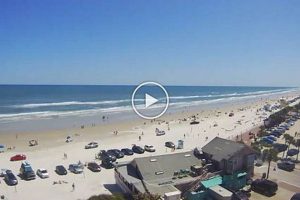
These online resources provide real-time visual feeds of the ocean conditions along the shoreline. Such tools often employ cameras strategically positioned to capture the breaking waves, the overall sea state, and the activity on the sand. For example, individuals planning a trip can consult one of these feeds to assess wave height for surfing or swimming suitability.
Access to live shoreline views offers several advantages. For coastal residents, it aids in monitoring local weather patterns and potential hazards. For tourists, it facilitates informed decisions about beach visits, optimizing their recreational experiences. Historically, such technological applications have grown alongside the increasing accessibility of internet connectivity and the desire for immediate environmental awareness.
The following discussion will elaborate on the specifics of these visual feeds, exploring their technological underpinnings, their range of applications, and their role in enhancing both safety and enjoyment for beachgoers. Further topics will delve into the factors influencing image quality and the potential for future development in this area.
Guidance on Utilizing Daytona Beach Shoreline Visual Feeds
The following advice provides valuable insights for effectively using live camera feeds to assess ocean conditions and plan activities.
Tip 1: Prioritize Reputable Sources: Only utilize feeds from well-known organizations, official tourism boards, or established weather services to ensure data accuracy and minimize the risk of misinformation. Cross-reference information with official weather reports.
Tip 2: Understand Time Delays: Be aware that live feeds may experience slight delays. A delay of a few minutes is typical, but recognize that conditions can change rapidly, particularly during inclement weather. Use the feed as one data point, not the sole basis for decisions.
Tip 3: Analyze Visual Indicators Holistically: Wave height is only one factor. Observe current strength, rip currents (if visible), and overall water clarity. Note debris in the water which can be hazardous.
Tip 4: Assess Crowd Density: The feed often reveals beach population levels. This information allows assessment of personal space availability and anticipation of potential parking challenges.
Tip 5: Verify Camera Location: Confirm the geographical position of the camera. Daytona Beach features an extended coastline; a feed showing conditions at one location might not reflect the situation a few miles away.
Tip 6: Consider Weather Influences on Image Quality: Adverse weather reduces visibility. Heavy rain, fog, or direct sunlight glare can impact the usefulness of the image. Check weather forecasts in conjunction with feed observations.
Tip 7: Evaluate Lighting Conditions: Early morning and late afternoon lighting can distort colors and make wave assessment more difficult. Midday provides the clearest visuals.
Adhering to these guidelines enhances the practical application of shoreline visual feeds, maximizing their value in facilitating safe and enjoyable experiences.
The subsequent section of this article will cover the limitations inherent to reliance on visual resources alone, emphasizing the importance of supplemental information.
1. Real-time visualization

Real-time visualization, in the context of shoreline monitoring, refers to the capacity to observe current conditions almost instantaneously. This feature provides immediate information regarding the surf, weather, and beach activity, and is fundamentally linked to the utility of Daytona Beach shoreline cameras.
- Live Video Streaming
This involves capturing and transmitting continuous video footage directly from a camera to an online platform. This provides a continuous, up-to-the-minute view of the shoreline. A surfer, for example, can check wave conditions moments before heading to the beach, enabling a more efficient use of time and resources.
- Data Overlay Integration
Select systems augment the visual feed with overlaid data, such as wind speed, tide levels, or water temperature. This combines empirical data with visual observation, enhancing the depth of information available. This may aid marine biologists in remote monitoring of shoreline changes.
- Pan-Tilt-Zoom (PTZ) Functionality
PTZ technology enables remote control of camera direction, focus, and zoom. This increases observational flexibility, enabling users to focus on specific areas of interest, such as a particular surf break or potential hazard. Coast Guard members could zoom in on a distant boat to assess possible issues.
- Image Processing and Analysis
Advanced systems incorporate image processing algorithms to extract quantifiable data from the visual stream, such as wave height estimations or crowd density analysis. This goes beyond simple visual observation, providing data useful for analytical purposes. Beach Patrol could measure crowds remotely to monitor safe capacity limits.
The functionalities described above underscore the pivotal role of real-time visualization. These elements collectively contribute to increased safety, informed decision-making, and efficient resource management in various coastal activities centered around Daytona Beach.
2. Wave condition monitoring

Wave condition monitoring, facilitated by tools such as shoreline cameras, is a critical application for a wide range of users. The data derived from continuous observation informs decisions pertaining to recreation, safety, and coastal management, highlighting the practical value of these systems.
- Real-time Height Assessment
Shoreline cameras provide a visual estimate of wave height, an essential factor for surfers, swimmers, and boaters. Knowing the approximate size of approaching waves enables individuals to gauge the suitability of conditions for their planned activities, mitigating potential risks. For example, novice surfers can use this information to avoid conditions beyond their skill level.
- Rip Current Identification
Although not always directly visible, cameras can assist in identifying potential rip currents through indirect indicators such as disturbed water patterns or sediment plumes. Awareness of these hazardous currents is crucial for beachgoers, as rip currents are a leading cause of drowning. Lifeguards may utilize camera feeds to enhance their surveillance and respond proactively to developing situations.
- Wave Period Observation
Wave period, the time between successive wave crests, influences the overall energy and power of the surf. Shoreline cameras allow for the observation of wave frequency, informing decisions related to surfing strategy, boat navigation, and shoreline erosion prediction. Civil engineers may use this data to assess the potential impact of wave action on coastal structures.
- Break Pattern Analysis
The manner in which waves break, influenced by underwater topography, determines the suitability of specific locations for surfing or other water sports. Shoreline cameras enable the analysis of break patterns, allowing users to identify optimal areas and avoid potentially dangerous zones. Skilled surfers use this information to select the best spot for catching waves, maximizing their experience and minimizing the risk of injury.
The facets of wave condition monitoring highlight the multifaceted benefits of shoreline camera systems. From individual recreational choices to large-scale coastal management strategies, the information derived from these visual resources plays a pivotal role in promoting safety, optimizing activities, and preserving coastal environments.
3. Coastal safety awareness
Coastal safety awareness is significantly enhanced by the availability of real-time visual data from shoreline camera systems. These feeds provide critical information, supplementing traditional methods of risk assessment and empowering individuals to make informed decisions regarding beach activities.
- Hazard Identification Assistance
Shoreline cameras enable remote monitoring for potential hazards such as rip currents, significant wave events, or the presence of marine debris. This early detection capability allows authorities to issue timely warnings and allocate resources effectively. For instance, lifeguards can remotely assess the severity of an approaching storm and initiate evacuation procedures based on visual evidence.
- Real-time Condition Assessment Dissemination
Visual feeds provide readily accessible information regarding current beach conditions, including wave height, water clarity, and crowd density. This data empowers individuals to assess risks and make informed decisions regarding their participation in water-based activities. A family, for example, can check the feed before heading to the beach and choose a different location if conditions appear hazardous for children.
- Educational Outreach Augmentation
Shoreline cameras can serve as valuable tools for educational outreach programs aimed at promoting coastal safety. Live or recorded footage can illustrate the dynamics of wave action, the formation of rip currents, and the importance of heeding safety warnings. This visual component enhances understanding and reinforces safe practices among beachgoers. For example, local schools might use the feeds to educate students about coastal hazards as part of a science curriculum.
- Post-Event Damage Assessment Facilitation
Following extreme weather events, shoreline cameras provide visual documentation of coastal damage, aiding in rapid assessment and resource allocation for recovery efforts. This information is crucial for identifying areas requiring immediate attention and for prioritizing repair and restoration activities. Coastal engineers, for example, can use pre- and post-event footage to evaluate the effectiveness of coastal protection measures.
These facets illustrate the integral role shoreline camera systems play in bolstering coastal safety awareness. By providing real-time visual information, these tools enhance hazard identification, facilitate informed decision-making, support educational initiatives, and contribute to effective disaster response, ultimately promoting safer coastal environments.
4. Beach activity assessment

Beach activity assessment involves evaluating various factors affecting the suitability and safety of engaging in recreational activities along the shore. Shoreline camera systems directly support this assessment by providing visual data to inform decisions about beach visits and water sports participation.
- Crowd Density Monitoring
Shoreline cameras allow for a remote estimation of the number of people present on the beach. This information aids in determining the availability of space for recreational activities, potential parking difficulties, and the overall comfort level for visitors seeking a less crowded environment. For example, families with young children might opt for a less populated beach to ensure a safer and more enjoyable experience.
- Water Condition Evaluation for Recreation
Visual feeds provide a means to assess water clarity, wave height, and the presence of any visible hazards such as debris or algae blooms. Surfers, swimmers, and other water sports enthusiasts can use this information to gauge the suitability of conditions for their chosen activity. A boater can check to see if there are dangerous swells before taking their boat out.
- Infrastructure Status Observation
Shoreline cameras can monitor the condition of beach infrastructure, such as lifeguard stands, restroom facilities, and access points. This allows for early detection of any damage or maintenance issues, ensuring the safety and convenience of beach visitors. A lifeguard can check the weather from his/her stand and check to make sure people stay safe.
- Event Impact Monitoring
Special events or activities on the beach, such as volleyball tournaments or concerts, can impact the availability of space and the overall atmosphere. Shoreline cameras allow for the remote monitoring of these events, providing potential visitors with a sense of the current conditions and potential disruptions. Someone trying to relax on the beach can check if a tournament is underway.
The ability to remotely assess these aspects of beach activity empowers individuals to make informed decisions, enhancing their safety and overall enjoyment. Shoreline camera systems serve as a valuable tool in this process, providing a readily accessible source of visual information that complements traditional methods of gathering data about beach conditions.
5. Weather pattern observation

Weather pattern observation, when coupled with shoreline camera systems, offers a synergistic approach to understanding and predicting coastal conditions. Integrating real-time visual data with meteorological information enhances situational awareness for various stakeholders.
- Real-time Storm Tracking Support
Shoreline cameras provide visual confirmation of approaching storm systems, complementing radar and satellite data. This allows for a more accurate assessment of storm intensity and trajectory, enabling timely warnings and evacuation procedures. Emergency management personnel can use camera feeds to verify storm surge levels and assess potential damage in real-time.
- Fog and Visibility Monitoring
Coastal areas are prone to fog, which can significantly impact visibility and safety for maritime activities. Shoreline cameras offer a direct visual assessment of fog conditions, aiding boaters, swimmers, and drivers in making informed decisions. Harbor masters can use camera feeds to determine when conditions are unsafe for vessel traffic.
- Wind Direction and Strength Assessment
While not directly measurable by the camera, wind effects can be inferred from wave patterns and sea surface conditions visible in the live feed. Experienced observers can estimate wind direction and strength, valuable information for surfers, sailors, and kiteboarders. A sailor can make an informed decision about his plans.
- Cloud Cover and Solar Radiation Estimation
The degree of cloud cover visible in the camera feed provides an indication of solar radiation levels, influencing water temperature and the overall beach experience. This information is useful for planning activities and protecting against sunburn. Beachgoers can use the information to determine the need for sunscreen.
These facets highlight the interconnectedness of weather pattern observation and shoreline camera systems. By combining visual data with meteorological insights, users gain a more comprehensive understanding of coastal conditions, enabling safer and more informed decisions regarding activities and resource management.
6. Accessibility Enhancement

The integration of shoreline cameras fundamentally increases public accessibility to real-time information regarding Daytona Beach conditions. This enhancement extends beyond geographical limitations, providing data to individuals unable to physically visit the location.
- Remote Condition Monitoring
Shoreline cameras permit observation of current wave conditions, weather patterns, and beach activity levels from any location with internet access. This is particularly beneficial for individuals planning trips from distant locations, enabling informed decisions about travel arrangements and activity selection. For example, a potential tourist living in another state can assess weather patterns before their visit.
- Inclusivity for Individuals with Mobility Limitations
Individuals with physical disabilities or mobility challenges can remotely assess beach accessibility and conditions using the camera feeds. This facilitates informed decisions regarding beach visits, promoting inclusivity and enabling participation in coastal activities. Elderly people who might not be able to walk onto the beach can still enjoy a view.
- Data Availability for Informed Decision-Making
The dissemination of real-time visual data empowers a broader range of users, including researchers, coastal managers, and emergency responders, with access to valuable information for analysis and planning. This promotes more informed decision-making regarding resource allocation, safety protocols, and environmental management. Government Agencies can use this data to plan ahead.
- Wider Dissemination of Safety Information
Shoreline camera systems enhance the dissemination of safety-related information by providing a readily accessible platform for displaying current conditions, hazard warnings, and emergency alerts. This promotes increased awareness among beachgoers and contributes to a safer coastal environment. Tourists from other countries can use this data without knowing the language.
The facets above showcase the multifaceted impact of accessibility enhancement facilitated by shoreline cameras. This capability extends the reach of critical information, promotes inclusivity, and contributes to more informed decision-making, ultimately benefiting a wider segment of the population.
7. Recreational Planning
Effective recreational planning for Daytona Beach relies significantly on accurate, real-time information. Access to visual feeds depicting shoreline conditions directly informs decisions regarding activity selection and resource allocation, ensuring a safer and more enjoyable experience.
- Surf Condition Assessment for Water Sports
Shoreline cameras provide a critical tool for assessing wave height, break patterns, and water clarity. Surfers, swimmers, and kayakers utilize this visual data to determine the suitability of conditions for their respective activities, mitigating risks and maximizing opportunities for successful recreation. For instance, a surfer can evaluate wave size and consistency prior to entering the water, avoiding potentially dangerous situations resulting from unexpectedly large swells.
- Beach Congestion Evaluation for Optimal Timing
Cameras allow for the remote monitoring of beach crowd levels, enabling individuals to plan their visits during less congested periods. This is particularly beneficial for families with young children or individuals seeking a more tranquil environment. Someone interested in a quiet beach day can use this to avoid large crowds.
- Weather Pattern Consideration for Activity Scheduling
Visual feeds provide a real-time depiction of weather conditions, including cloud cover, visibility, and potential storm activity. This data informs decisions regarding activity scheduling, allowing individuals to avoid adverse weather conditions and optimize their outdoor experiences. Beachgoers planning a picnic can use this information to avoid unexpected rain.
- Accessibility Evaluation for Mobility Considerations
Shoreline cameras can assist individuals with mobility limitations in assessing beach access points and current conditions, ensuring safe and convenient participation in recreational activities. This promotes inclusivity and enhances the overall beach experience for individuals with diverse needs. Elderly or disabled people can assess ease of access to the beach.
The aforementioned facets demonstrate the crucial role visual feeds play in facilitating informed recreational planning. By providing real-time data on surf conditions, crowd levels, weather patterns, and accessibility, these tools empower individuals to make responsible choices, maximizing their enjoyment and minimizing potential risks associated with coastal recreation in Daytona Beach.
Frequently Asked Questions Regarding Daytona Beach Shoreline Visual Feeds
The following section addresses commonly raised inquiries concerning the nature, application, and limitations of real-time coastal observation systems.
Question 1: What is the primary function of a Daytona Beach shoreline visual feed?
The primary function is to provide a continuous, real-time visual representation of the beach environment. This serves to inform users about current weather conditions, wave activity, and beach occupancy levels.
Question 2: How frequently is the visual data updated?
Update frequency varies depending on the specific system and its technical configuration. Most feeds strive for near real-time operation, with updates occurring at intervals ranging from seconds to a few minutes.
Question 3: What factors might impair the quality of the visual feed?
Image quality can be negatively affected by various environmental factors, including adverse weather conditions such as fog, rain, or strong sunlight. Additionally, technical issues with the camera or transmission system can also degrade image clarity.
Question 4: Can shoreline visual feeds be relied upon for precise wave height measurements?
Shoreline cameras provide visual estimations of wave height; however, these estimations should not be considered precise scientific measurements. For accurate wave data, consult official meteorological reports and buoy data.
Question 5: Are these camera systems operational 24 hours a day?
Operational status can vary. Some systems operate continuously, while others may be limited by daylight hours or scheduled maintenance. Availability information should be clearly indicated on the platform hosting the feed.
Question 6: Who is responsible for the maintenance and operation of these visual feeds?
Responsibility typically lies with a government agency, tourism board, or private organization that has installed and maintains the camera system. Contact information for the responsible entity should be available on the website hosting the feed.
In summary, while shoreline cameras offer a valuable tool for observing coastal conditions, it is crucial to understand their limitations and supplement the visual data with other reliable sources of information.
The subsequent section will explore potential future developments in shoreline monitoring technology.
Conclusion
This exposition has explored the practical applications and inherent limitations of shoreline visual feeds in Daytona Beach. Real-time monitoring of wave conditions, weather patterns, and beach activity contributes to enhanced safety, improved recreational planning, and increased awareness among coastal stakeholders. These systems, however, are subject to environmental factors and technical constraints that can impact data reliability.
Continued advancements in camera technology, data processing, and dissemination platforms promise to further refine the capabilities of shoreline monitoring systems. Ongoing diligence in validating visual data with empirical measurements remains crucial to ensuring responsible utilization of this technology for the benefit of both coastal communities and visitors alike.


![Watch Scripps Surf Cam: [Live] See San Diego Waves Now | Learn to Surf & Skate: A Beginner's Step-by-Step Guide](https://universitysurfandskate.com/wp-content/uploads/2026/05/th-91-300x200.jpg "Watch Scripps Surf Cam: [Live] See San Diego Waves Now Learn to Surf & Skate: A Beginner's Step-by-Step Guide")