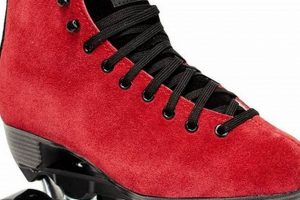
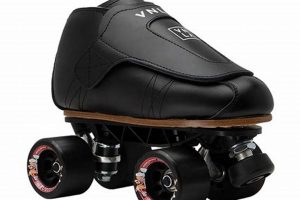
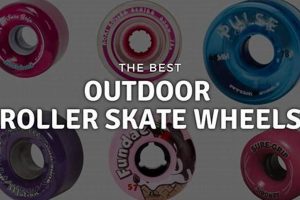
The selection of optimal recreational footwear designed for use on paved surfaces such as sidewalks, asphalt trails, and concrete parks is crucial for user experience. This footwear prioritizes features like wheel durometer, boot support, and bearing quality to enhance performance and comfort on varied outdoor terrains. For instance, a skate with softer wheels excels at absorbing vibrations from uneven surfaces.
Choosing high-quality models contributes significantly to safety, enjoyment, and longevity of the product. Superior designs offer improved stability, maneuverability, and shock absorption, reducing the risk of injury. Historically, the evolution of these skates has focused on refining materials and construction techniques to optimize outdoor performance and durability.
The following sections will examine key considerations for selecting appropriate outdoor skating equipment, including wheel characteristics, boot construction, bearing types, and protective gear, to facilitate informed purchasing decisions.
Guidance for Optimal Outdoor Roller Skate Selection
Careful consideration of several factors is necessary to ensure satisfaction and safety when procuring recreational skating equipment designed for outdoor use. Prioritizing these aspects enhances the skating experience and extends the lifespan of the equipment.
Tip 1: Wheel Durometer Evaluation: The hardness of the wheel, measured in durometer, significantly impacts performance. Softer wheels (e.g., 78A-85A) provide superior grip and shock absorption on rough surfaces, enhancing comfort and control.
Tip 2: Bearing Precision Assessment: Bearings with a higher ABEC rating (e.g., ABEC 5 or ABEC 7) offer improved smoothness and speed. Regular cleaning and lubrication are essential to maintain optimal bearing performance.
Tip 3: Boot Support Examination: A boot providing adequate ankle support reduces the risk of injury. Consider boots with reinforced ankle cuffs and secure closure systems for enhanced stability.
Tip 4: Frame Material and Durability: Aluminum frames offer greater durability and responsiveness compared to plastic frames. Examine the frame’s construction for signs of weakness or potential failure points.
Tip 5: Proper Fit Verification: Ill-fitting skates can cause discomfort and hinder performance. Ensure the skates fit snugly but allow for adequate toe room. Try on skates with the type of socks typically worn during skating activities.
Tip 6: Brake Pad Inspection and Maintenance: Regularly inspect brake pads for wear and tear. Replace worn brake pads promptly to maintain effective stopping power.
Tip 7: Surface Compatibility Consideration: Different skate models are designed for specific types of outdoor surfaces. Selecting a skate appropriate for the intended skating environment optimizes performance and safety.
Adhering to these recommendations will facilitate the acquisition of durable, comfortable, and high-performing outdoor skating equipment, maximizing the recreational benefits and minimizing potential risks.
The subsequent section will address protective gear and maintenance protocols critical for safe and prolonged use of outdoor roller skates.
1. Durability

Durability, in the context of recreational footwear designed for outdoor use, represents the ability of the skates to withstand prolonged exposure to diverse environmental conditions and mechanical stresses. It is a critical factor influencing the overall value and user satisfaction associated with such equipment.
- Material Composition
The materials comprising the boot, frame, and wheels directly correlate with overall durability. High-quality polymers, reinforced stitching, and corrosion-resistant metals contribute to enhanced resistance against wear, impact, and environmental degradation. For instance, a boot constructed from ballistic nylon exhibits greater abrasion resistance than one made from standard canvas.
- Frame Construction
The structural integrity of the skate frame is paramount. Frames constructed from extruded aluminum alloys offer superior strength-to-weight ratios and increased resistance to bending and cracking compared to molded plastic alternatives. Reinforced stress points at wheel mounting locations further enhance overall frame durability.
- Wheel Abrasion Resistance
The wheel durometer and material composition influence abrasion resistance. Polyurethane wheels formulated for outdoor use are engineered to withstand continuous contact with rough surfaces like asphalt and concrete. Higher-durometer wheels, while potentially offering reduced grip, typically exhibit greater abrasion resistance than softer compounds.
- Component Longevity
The lifespan of components such as bearings, axles, and brake pads contributes to overall durability. High-quality sealed bearings are less susceptible to contamination from dirt and moisture, extending their operational life. Axles constructed from hardened steel resist bending and breakage under stress. Durable brake pads, formulated for high-friction environments, provide consistent stopping power over extended periods.
The aforementioned facets of durability directly influence the longevity and performance of outdoor skating equipment. Selecting products incorporating robust materials and construction techniques ensures a sustained skating experience and minimizes the need for frequent repairs or replacements, ultimately maximizing the value proposition for the consumer.
2. Maneuverability
Maneuverability is a critical attribute of superior outdoor roller skates, directly influencing the user’s ability to navigate varied terrains and execute precise movements. The quality of maneuverability is inextricably linked to several design elements and component characteristics of the skate, shaping the overall skating experience and safety profile.
The relationship between maneuverability and skate construction can be observed through specific design features. Shorter wheelbases, for instance, enhance agility and responsiveness, facilitating tighter turns and quicker directional changes. Frame stiffness contributes to efficient energy transfer, enabling the skater to translate intended movements into immediate action. Wheel durometer also plays a significant role. Softer wheels provide increased grip, particularly on uneven surfaces, improving control and reducing the risk of slippage, which directly impacts a skater’s ability to maneuver confidently.
In summary, maneuverability emerges as a pivotal determinant of high-quality outdoor skating equipment. Its interplay with frame design, wheelbase, and wheel characteristics dictates the skater’s capacity to navigate obstacles, maintain control, and execute precise movements. Recognizing the importance of these elements empowers informed purchasing decisions and optimizes the skating experience, leading to enhanced safety and performance within diverse outdoor environments.
3. Comfort

Comfort, in the context of optimal outdoor roller skates, transcends mere aesthetic appeal and enters the realm of functional necessity. Skates designed for outdoor use must prioritize user comfort to mitigate fatigue, prevent injury, and enhance the overall skating experience. The ergonomic integration of several design elements directly influences the comfort level achievable.
- Boot Padding and Liner Material
The internal padding and liner material within the skate boot significantly impact comfort. High-density foams or gel inserts provide cushioning, reducing pressure points and absorbing vibrations generated by uneven surfaces. Moisture-wicking liners, typically constructed from synthetic fabrics, prevent sweat accumulation, minimizing friction and potential discomfort during extended use.
- Ankle Support and Range of Motion
A well-designed ankle support system strikes a balance between stability and flexibility. Excessive rigidity restricts natural movement, leading to discomfort and potential strain. Conversely, insufficient support increases the risk of ankle instability and injury. Articulated ankle hinges or adjustable cuff systems allow skaters to customize the level of support based on individual preferences and skating style, enhancing overall comfort and control.
- Ventilation and Breathability
Outdoor skating often occurs in warm or humid conditions. Adequate ventilation is crucial for preventing overheating and moisture buildup within the skate boot. Breathable materials, such as perforated leather or mesh panels, promote airflow, dissipating heat and reducing discomfort associated with excessive perspiration. This enhances the overall comfort level during prolonged outdoor skating activities.
- Closure System and Fit Adjustability
A secure and adjustable closure system is essential for achieving a comfortable and customized fit. Lacing systems, buckles, and power straps work in concert to securely fasten the boot to the foot, preventing slippage and minimizing pressure points. Micro-adjustability features allow skaters to fine-tune the fit, accommodating variations in foot shape and sock thickness, thereby optimizing comfort and performance.
The preceding facets of comfort significantly influence the selection of high-quality outdoor roller skates. Prioritizing designs that incorporate ergonomic considerations, breathable materials, and adjustable fit features ensures a more enjoyable and less fatiguing skating experience, ultimately contributing to the overall value and utility of the equipment.
4. Wheel Material
Wheel material represents a critical determinant of performance and longevity in outdoor roller skates. The composition of the wheel dictates grip, durability, and vibration absorption, directly impacting the overall skating experience.
- Polyurethane Durometer and Outdoor Surfaces
Polyurethane (PU) is the predominant material for outdoor roller skate wheels. Durometer, a measurement of hardness, significantly affects performance. Softer wheels (78A-85A durometer) provide enhanced grip and shock absorption on uneven outdoor surfaces such as asphalt and concrete. This improves stability and control, particularly on rough terrains. In contrast, harder wheels (86A and above) offer increased speed and rolling efficiency on smoother surfaces, but may transmit more vibration. The appropriate durometer selection depends on the intended skating environment and user preferences.
- Wheel Size and Rolling Resistance
The diameter of the wheel influences rolling resistance and speed. Larger wheels (70mm and above) generally exhibit lower rolling resistance, allowing for higher speeds and greater distance covered with each push. However, larger wheels may also increase the skate’s overall height, potentially affecting stability for some skaters. Smaller wheels (62mm and below) offer greater maneuverability and a lower center of gravity, suitable for recreational skating or rink use. The optimal wheel size balances speed and stability according to the skater’s skill level and intended purpose.
- Wheel Core Material and Load Bearing
The wheel core, typically made of plastic or nylon, provides structural support for the polyurethane tire. The core’s design and material composition influence its load-bearing capacity and resistance to deformation under stress. A robust core ensures even weight distribution and prevents the wheel from flexing or collapsing during aggressive skating maneuvers. Higher-quality cores enhance wheel durability and maintain consistent performance over extended use.
- Rebound and Energy Efficiency
The rebound characteristic of the polyurethane material affects energy efficiency. Wheels with higher rebound properties return more energy to the skater with each stride, reducing fatigue and improving overall performance. This is particularly beneficial for long-distance skating or skating on inclines. The specific formulation of the polyurethane compound determines its rebound capacity, and manufacturers often employ specialized blends to optimize this characteristic.
The selection of appropriate wheel material, considering durometer, size, core composition, and rebound properties, is paramount for achieving optimal performance and maximizing the longevity of outdoor roller skates. Prioritizing these factors ensures a comfortable, efficient, and safe skating experience across various outdoor terrains.
5. Bearing Quality
Bearing quality is a crucial determinant of the overall performance and user satisfaction associated with outdoor roller skates. Bearings facilitate smooth wheel rotation, directly impacting speed, efficiency, and the effort required for propulsion. Inferior bearing quality manifests as increased friction, reduced speed, and greater energy expenditure, diminishing the skating experience. Conversely, high-quality bearings minimize friction, enabling effortless gliding and sustained momentum. For example, a skater using skates with ABEC 7 or higher-rated bearings will typically experience a significant reduction in effort compared to a skater using skates with lower-rated or poorly maintained bearings on the same terrain.
The longevity and durability of bearings also directly impact the long-term value of the skates. Outdoor environments expose bearings to contaminants such as dirt, moisture, and debris, which can accelerate wear and corrosion. High-quality bearings are typically constructed with durable materials and sealed to prevent contaminant ingress, ensuring consistent performance and extending the bearing’s lifespan. Skates equipped with sealed, high-quality bearings require less frequent maintenance and replacement, reducing overall ownership costs and downtime. A practical example is the difference between a skater regularly cleaning and lubricating shielded ABEC-5 bearings versus a skater neglecting unshielded bearings, resulting in the former experiencing smoother, long-lasting performance.
In conclusion, bearing quality is an indispensable component of optimal outdoor roller skate performance and durability. Selecting skates with high-quality, sealed bearings directly enhances the skating experience by reducing friction, increasing speed, and minimizing maintenance requirements. Overlooking bearing quality undermines the overall investment in outdoor roller skates, potentially resulting in diminished performance, increased maintenance, and a shortened lifespan. The informed consumer should prioritize bearing specifications when evaluating outdoor roller skates to ensure a fulfilling and cost-effective skating experience.
6. Ankle Support

Ankle support constitutes a critical safety and performance element in recreational footwear engineered for outdoor use. Specifically, its influence on stability, control, and injury prevention directly correlates with the overall quality and suitability of roller skates designed for outdoor environments.
- Lateral Stability Enhancement
Adequate ankle support mitigates excessive lateral movement, reducing the risk of ankle sprains and instability. This is particularly relevant on uneven outdoor surfaces where maintaining balance demands robust support structures. Skates lacking sufficient ankle reinforcement are prone to causing instability, especially for novice skaters or when navigating challenging terrain. For example, high-cuff designs, commonly found on quality outdoor models, provide greater lateral stability compared to low-cut designs.
- Energy Transfer Efficiency
Effective ankle support facilitates efficient energy transfer from the skater’s lower body to the wheels. A rigid or semi-rigid ankle structure minimizes energy loss due to ankle flexion and extension, translating into improved propulsion and reduced fatigue. This is analogous to the role of a stiff boot in ice skates, where energy transfer is paramount. Skates with compromised ankle support necessitate greater muscular effort for propulsion, diminishing overall skating efficiency.
- Control and Responsiveness Augmentation
Proper ankle support enhances control and responsiveness, particularly during maneuvers requiring precise footwork, such as turns, stops, and transitions. A secure ankle interface enables the skater to exert greater control over the skate’s direction and movement, facilitating quicker and more accurate responses to changing terrain or obstacles. For instance, skates with adjustable ankle straps offer customized support levels, catering to individual skating styles and preferences.
- Injury Prevention Mechanisms
Sufficient ankle support functions as a primary injury prevention mechanism, protecting the ankle joint from excessive stress and strain. By limiting the range of motion and providing structural reinforcement, ankle support reduces the likelihood of sprains, fractures, and other ankle-related injuries. This is particularly critical in outdoor skating environments where unforeseen hazards, such as cracks, potholes, or debris, can increase the risk of falls and injuries. Sturdy, well-padded ankle cuffs provide an added layer of protection against impact forces.
The aforementioned aspects of ankle support collectively underscore its pivotal role in optimizing the safety, performance, and enjoyment of outdoor roller skating. Skates that prioritize robust ankle support mechanisms demonstrate a superior design philosophy, reflecting a commitment to user well-being and long-term skating performance. The informed consumer should meticulously evaluate ankle support characteristics when selecting recreational footwear designed for outdoor use.
Frequently Asked Questions
The following section addresses common inquiries regarding the selection and maintenance of high-performing outdoor roller skates. The information presented aims to clarify key considerations and dispel potential misconceptions.
Question 1: What constitutes the ideal wheel durometer for outdoor skating?
A durometer rating between 78A and 85A is generally recommended for outdoor use. Softer wheels within this range provide enhanced grip and shock absorption on uneven surfaces such as asphalt and concrete. Individual preferences and terrain conditions may influence the optimal durometer selection.
Question 2: How frequently should bearings be cleaned and lubricated?
Bearing maintenance frequency depends on usage and environmental conditions. Regular cleaning and lubrication are essential to prevent contamination and friction. It is advisable to clean and lubricate bearings every 20-30 hours of skating or more frequently if skating in dusty or wet conditions.
Question 3: What are the advantages of aluminum frames compared to plastic frames?
Aluminum frames offer superior strength, durability, and responsiveness compared to plastic frames. Aluminum frames withstand greater stress and resist bending or cracking, providing enhanced stability and control. Plastic frames may be suitable for recreational use but are less durable for demanding outdoor skating.
Question 4: How can proper skate fit be ensured?
Ensure the skates fit snugly but allow for adequate toe room. Try on skates with the type of socks typically worn during skating activities. The heel should be securely locked in place, and there should be no excessive movement within the boot. Consider consulting a professional skate fitter for personalized recommendations.
Question 5: When should brake pads be replaced?
Brake pads should be replaced when they exhibit significant wear or reduced stopping power. Regularly inspect brake pads for signs of wear, such as thinning or cracking. Prompt brake pad replacement is crucial for maintaining effective braking performance and ensuring skater safety.
Question 6: What safety gear is essential for outdoor skating?
Helmets, knee pads, elbow pads, and wrist guards are essential safety gear for outdoor skating. These protective items mitigate the risk of injury in the event of a fall or collision. Properly fitted safety gear should be worn at all times during skating activities.
In summary, optimal outdoor roller skate performance relies on careful attention to wheel durometer, bearing maintenance, frame material, proper fit, brake pad condition, and safety gear utilization. These considerations contribute to an enhanced and safer skating experience.
The subsequent section will address advanced skating techniques and strategies for maximizing outdoor skating performance.
Conclusion
The preceding analysis has elucidated critical factors influencing the selection of optimal recreational footwear intended for outdoor use. Considerations of wheel durometer, bearing quality, ankle support, and frame material directly impact performance, durability, and user safety. A comprehensive understanding of these elements empowers consumers to make informed purchasing decisions, maximizing the value and utility of their equipment.
Ultimately, the pursuit of equipment designed for outdoor skating necessitates a commitment to quality and a prioritization of safety. Continued advancements in materials science and engineering promise further refinements in skate design, ensuring improved performance and enhanced user experiences. Selecting “outdoor roller skates best” represents an investment in both personal well-being and the enjoyment of recreational pursuits.