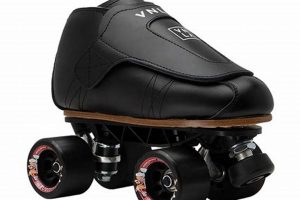
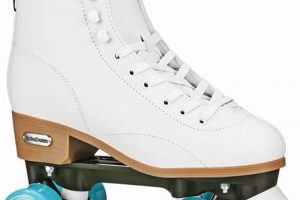
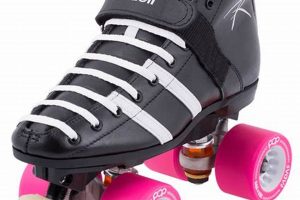
Components designed for recreational footwear that enable smooth movement across varied ground surfaces are a specialized category within the wheeled sports industry. These parts, typically constructed from polyurethane with varying degrees of hardness, facilitate propulsion and maneuverability on asphalt, concrete, and other exterior terrains. A frequent application is in recreational skating, providing users with the ability to navigate outdoor environments efficiently.
The utilization of these specific components allows for expanded accessibility to the activity of skating beyond the confines of dedicated indoor rinks. The design characteristics, such as enhanced grip and durability, contribute significantly to user safety and performance on uneven or abrasive ground. Historically, the development of these parts has broadened the appeal of skating, transforming it from a niche hobby into a widespread form of exercise and transportation.
The subsequent sections will delve into the specific properties of these rolling elements, focusing on durometer ratings, optimal sizes, bearing compatibility, and factors to consider when selecting appropriate options for various outdoor skating conditions. Furthermore, maintenance strategies and comparisons between different formulations will be explored to provide a complete understanding.
Guidance for Optimal Selection and Maintenance
The following guidance is intended to facilitate informed decisions regarding selection and upkeep, thereby maximizing performance and longevity.
Tip 1: Durometer Consideration: Softer materials, indicated by lower durometer ratings, offer enhanced grip and shock absorption on rough outdoor surfaces. A range of 78A to 85A is generally suitable for outdoor use.
Tip 2: Size Selection: Larger diameters provide increased roll speed and efficiency, advantageous for covering greater distances. Diameters between 62mm and 70mm are often preferred for outdoor skating.
Tip 3: Bearing Compatibility Verification: Ensure that the chosen bearings are compatible with the internal diameter. Standard 608 bearings are widely utilized.
Tip 4: Regular Inspection: Routinely examine components for signs of wear or damage. Cracks, chips, or uneven wear patterns indicate the need for replacement.
Tip 5: Cleaning Procedures: Periodically clean to remove dirt, debris, and grime. Use a mild detergent and water solution, ensuring thorough drying before reinstallation.
Tip 6: Rotation Practices: Rotate parts regularly to promote even wear and extend lifespan. This practice distributes stress across all components.
Tip 7: Surface Suitability Assessment: Evaluate the intended skating surface. Smooth asphalt requires different characteristics compared to rougher concrete.
Adherence to these guidelines will contribute to improved performance, enhanced safety, and extended product lifespan.
The concluding section will summarize essential considerations and offer recommendations for specific usage scenarios.
1. Durometer (hardness)

Durometer, a measure of a material’s resistance to indentation, is a critical factor in the selection of rolling elements designed for use on external surfaces. The hardness rating significantly impacts grip, wear resistance, and vibration absorption, thereby influencing the overall skating experience.
- Grip and Surface Adhesion
Lower durometer values (e.g., 78A-85A) indicate softer materials, providing increased grip on rough or uneven terrains. This characteristic is advantageous on asphalt or concrete, where imperfections can reduce traction. Enhanced grip translates to improved control and reduced risk of slippage during maneuvers.
- Vibration Absorption and Comfort
Softer materials effectively dampen vibrations transmitted from the ground to the skater’s feet and ankles. This reduction in vibration leads to a more comfortable skating experience, especially over extended periods or on surfaces with significant irregularities. Harder rolling elements offer less vibration dampening, potentially causing fatigue or discomfort.
- Wear Resistance and Durability
Higher durometer values indicate harder materials, which exhibit greater resistance to abrasion and wear. While harder materials may offer less grip, they are more durable and less prone to degradation from prolonged contact with abrasive surfaces. Selecting an appropriate durometer involves balancing grip requirements with anticipated wear rates.
- Rolling Efficiency and Speed
While softer materials provide superior grip, harder materials generally offer lower rolling resistance. This translates to increased rolling efficiency and higher potential speeds on smooth surfaces. The optimal durometer represents a compromise between grip, durability, and speed, tailored to the specific terrain and desired skating style.
The selection of an appropriate durometer is paramount when choosing rolling elements for outdoor use. Considerations should include the typical skating surface, the skater’s skill level, and the desired balance between grip, comfort, durability, and speed. A careful assessment of these factors will ensure a safe and enjoyable skating experience.
2. Wheel Size (diameter)

The diameter of a rolling element significantly influences performance characteristics, particularly in external environments. The selection of an appropriate size is critical to optimize speed, maneuverability, and the ability to navigate varying surface conditions.
- Momentum and Roll-Over Ability
Larger diameters possess greater rotational inertia, translating to increased momentum. This property facilitates the ability to overcome surface imperfections, such as cracks or small obstacles, more effectively. Increased roll-over ability minimizes disruptions and maintains forward motion on uneven surfaces. For example, a 70mm option will typically maintain momentum better than a 62mm option on rough asphalt.
- Speed and Efficiency
Larger diameters cover more distance per revolution, resulting in higher potential speeds. The increased circumference reduces the number of rotations required to traverse a given distance, improving skating efficiency. This characteristic is particularly advantageous for long-distance or recreational skating, where minimizing energy expenditure is desirable.
- Maneuverability and Responsiveness
Smaller diameters generally offer enhanced maneuverability and responsiveness. The reduced size allows for quicker changes in direction and tighter turns. This characteristic is beneficial for activities that require agility, such as slalom skating or navigating crowded environments. For example, a smaller diameter facilitates quicker directional changes on a skate park ramp.
- Surface Contact Area
Larger diameters exhibit a greater contact area with the ground, potentially improving grip on smooth surfaces. However, on uneven surfaces, a smaller diameter may provide a more consistent contact patch due to its ability to conform to surface irregularities. The optimal diameter balances contact area with the capacity to navigate varying terrain effectively.
The determination of an appropriate diameter necessitates a consideration of the intended skating environment and the desired performance characteristics. Larger diameters prioritize speed and momentum, while smaller diameters emphasize maneuverability. The selection process should align with the specific requirements of the skater and the prevailing surface conditions to ensure optimal performance and safety.
3. Bearing Compatibility

The integration of bearings within rolling elements is a critical aspect of their functionality, directly influencing the efficiency and smoothness of movement. Bearing compatibility refers to the dimensional conformity between the rolling element’s core and the bearing itself, ensuring proper seating and alignment. In the context of external applications, adherence to standardized bearing sizes is paramount to facilitate replacement and maintenance, extending the usable lifespan.
The predominant bearing standard for rolling elements intended for recreational skating is the 608 series. This standard defines specific inner and outer diameters, along with width tolerances, that dictate interchangeability across various brands and manufacturers. Selecting wheels that do not adhere to the 608 standard introduces significant challenges in sourcing replacement bearings, potentially rendering the wheels unusable should the original bearings fail. Conversely, adherence to the standard ensures that readily available replacement bearings can be installed, maintaining functionality and prolonging the lifespan of the component. For example, wheels designed for aggressive skating may deviate from the 608 standard, requiring specialized bearings with potentially limited availability.
In summary, bearing compatibility, primarily through adherence to the 608 standard, is a crucial consideration when selecting rolling elements for external use. Proper compatibility ensures ease of maintenance and replacement, contributing significantly to the longevity and usability of the product. Deviation from established standards can introduce complications, limiting options and potentially reducing the overall value of the component. Prioritizing components that conform to recognized bearing standards promotes a sustainable and user-friendly approach to outdoor recreational skating.
4. Surface Material

The selection of appropriate rolling elements for outdoor skating is inextricably linked to the characteristics of the surface material upon which they will be used. The interplay between wheel composition and surface texture directly influences grip, rolling resistance, wear rate, and overall skating experience. The primary surface materials encountered during outdoor skating include asphalt, concrete, and paved surfaces, each presenting unique challenges and requiring specific wheel properties for optimal performance. Understanding the cause-and-effect relationship between surface material and wheel behavior is fundamental to selecting components that maximize efficiency and safety. For example, skating on rough asphalt necessitates wheels with a lower durometer to enhance grip and absorb vibrations, while smooth concrete allows for the use of harder compounds to reduce rolling resistance.
The impact of surface material extends beyond simple grip considerations. The abrasive nature of certain surfaces, such as textured concrete, accelerates wheel wear, requiring the use of more durable polyurethane formulations. Conversely, smoother surfaces permit the use of softer compounds, prioritizing grip and comfort without sacrificing longevity. Real-world examples illustrate this point: a skater using high-durometer wheels on rough asphalt will experience a jarring ride and premature wear, while a skater using low-durometer wheels on smooth concrete may find them excessively grippy, hindering speed and maneuverability. Therefore, a thorough understanding of the intended skating environment is crucial for making informed decisions about wheel material and construction.
In summary, surface material is a key determinant in selecting rolling elements for outdoor applications. Its influence on grip, wear, and comfort necessitates a careful evaluation of the intended skating environment. Recognizing the specific properties of different surface materials and their interaction with various wheel compounds allows skaters to optimize their equipment for performance, safety, and longevity. The practical significance of this understanding lies in the ability to choose components that provide a balanced combination of grip, speed, durability, and comfort, ultimately enhancing the skating experience.
5. Core Material

The central component around which the polyurethane material is molded, significantly influences the performance characteristics of rolling elements used in outdoor skating. The material composition and design of this core directly impact energy transfer, durability, and overall wheel stability, thereby affecting the skating experience.
- Core Stiffness and Energy Transfer
The rigidity of the core material dictates the efficiency with which energy from the skater’s push is transferred to forward motion. Stiffer cores minimize energy loss due to deformation, resulting in greater speed and responsiveness. In outdoor skating, where variations in terrain can absorb energy, a rigid core is advantageous for maintaining momentum. For instance, cores constructed from high-modulus polymers such as reinforced nylon exhibit superior energy transfer compared to softer, more flexible materials.
- Core Material and Durability
The selection of core material significantly influences the overall durability of the wheel, particularly in the face of abrasive outdoor surfaces and repeated impacts. Materials with high tensile strength and impact resistance, such as glass-filled nylon or aluminum, offer increased resistance to cracking and deformation. These materials are capable of withstanding the stresses associated with navigating rough terrain and encountering obstacles, extending the lifespan of the wheel. The use of substandard core materials often leads to premature failure, rendering the wheel unusable.
- Core Design and Wheel Stability
The geometric design of the core, including the presence of ribs or spokes, contributes to the overall stability of the wheel during rotation. A well-designed core provides uniform support to the surrounding polyurethane material, preventing deformation and maintaining a consistent contact patch with the ground. This stability is crucial for maintaining control and preventing wobbling, particularly at higher speeds or when navigating uneven surfaces. For example, a core with radial spokes distributes stress evenly, minimizing the risk of localized deformation.
- Material Compatibility and Bonding
The core material must exhibit chemical compatibility with the surrounding polyurethane to ensure a strong and durable bond. Poor bonding between the core and the polyurethane can lead to delamination, reducing the wheel’s lifespan and compromising its performance. Surface treatments or the use of specific adhesives can improve bonding strength. Selecting core materials with a proven track record of compatibility with polyurethane is essential for maximizing wheel longevity and reliability in outdoor skating applications.
In conclusion, the core material represents a critical factor influencing the performance and longevity of rolling elements utilized in outdoor skating. By carefully considering material stiffness, durability, design, and compatibility, skaters can select components that optimize energy transfer, withstand the rigors of outdoor use, and provide a stable and controlled skating experience. The interplay between core material properties and the demands of the external environment underscores the importance of informed selection for enhanced performance and safety.
Frequently Asked Questions
The subsequent questions address common inquiries regarding the selection, application, and maintenance of rolling components specifically designed for outdoor roller skating. The responses are intended to provide factual information to inform decision-making.
Question 1: What durometer rating is most suitable for outdoor roller skating?
A durometer range of 78A to 85A is generally recommended. Softer compounds within this range offer increased grip and shock absorption on uneven outdoor surfaces, enhancing comfort and control. Harder compounds, while offering greater durability, may compromise grip and ride quality on rough terrain.
Question 2: What wheel size is optimal for outdoor use?
Wheel diameters between 62mm and 70mm are frequently preferred for outdoor skating. Larger diameters provide increased roll speed and efficiency, while smaller diameters offer enhanced maneuverability. The selection depends on the intended skating style and terrain.
Question 3: How frequently should outdoor roller skate components be replaced?
Replacement frequency depends on usage intensity and surface conditions. Regular inspection for signs of wear, such as cracking, chipping, or uneven wear patterns, is critical. Components should be replaced when performance is compromised or safety is at risk.
Question 4: What is the purpose of rotating roller skate components?
Rotation promotes even wear across all components, extending their lifespan and maintaining consistent performance. Regular rotation distributes stress and prevents localized wear patterns from developing.
Question 5: How should outdoor roller skate components be cleaned?
Remove dirt, debris, and grime using a mild detergent and water solution. Ensure thorough drying before reinstallation. Avoid harsh chemicals or abrasive cleaners that may damage the polyurethane material.
Question 6: Can indoor roller skate components be used outdoors?
While technically possible, it is not recommended. Indoor components are typically harder and less grippy, which compromises safety and performance on outdoor surfaces. Dedicated outdoor components are designed to withstand the rigors of external environments.
In summary, the selection and maintenance of appropriate rolling components are crucial for a safe and enjoyable outdoor skating experience. Regular inspection, proper cleaning, and timely replacement are essential for maintaining optimal performance.
The following section will provide a comprehensive comparison of different brands and models.
Roller Skate Wheels Outdoor
This exploration of components designed for use on recreational footwear operating on varied external surfaces emphasizes the critical interplay between durometer, diameter, core material, and surface compatibility. Careful consideration of these elements dictates not only performance metrics such as speed and maneuverability but also user safety and the longevity of the product itself. Compromises in material selection or inadequate maintenance protocols inevitably lead to diminished performance and potential hazards.
The information presented serves as a foundational guide for informed decision-making. Prioritizing rigorous evaluation and adherence to recommended practices ensures optimal performance, extended product lifespan, and, most importantly, the safety of the user. It is incumbent upon both manufacturers and consumers to recognize the significance of these components and to maintain a commitment to quality and safety standards in the pursuit of this activity.